

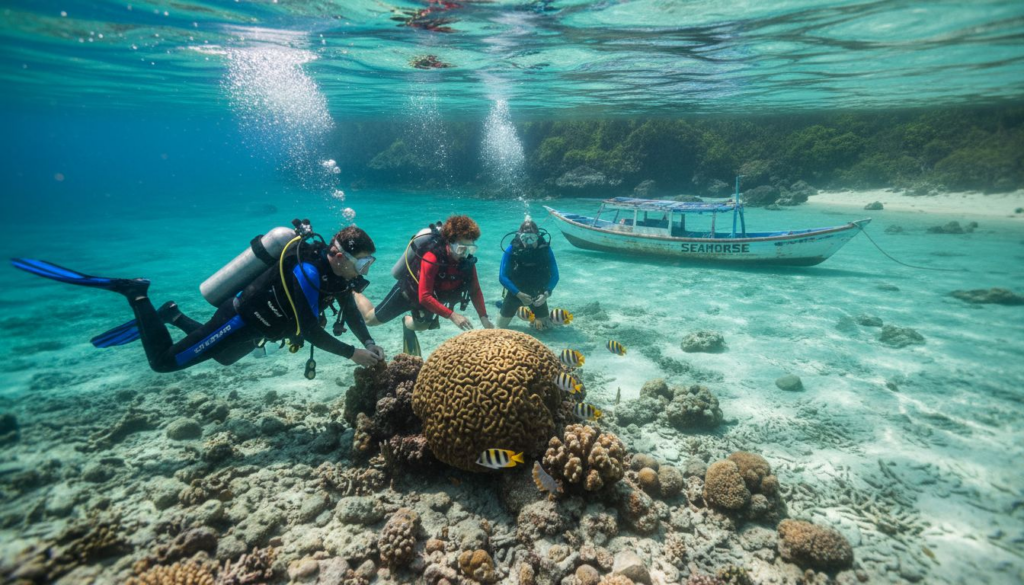
Amed stands out as one of Bali’s most versatile diving destinations, offering everything from shallow coral reefs to dramatic wrecks. Nearly half of Amed’s dive sites welcome beginners, challenging the myth that this region caters only to experienced divers. Whether you’re completing your first PADI certification or exploring advanced underwater terrain, Amed’s diversity of dive sites, expert local instructors, and excellent seasonal conditions create an ideal setting for safe, memorable scuba experiences at your own pace.
Key takeaways
| Point | Details |
|---|---|
| Diverse dive sites | Amed offers shallow reefs, reef walls, and wrecks suitable for all skill levels from beginner to advanced. |
| PADI certification options | Courses are tailored to local conditions with experienced instructors maintaining small group sizes. |
| Safety prioritisation | Expert local guides, small groups of 3-5 divers, and strict safety protocols ensure secure diving experiences. |
| Optimal diving seasons | Dry season (April to October) delivers visibility up to 30 metres and calmer seas. |
| Guided dive benefits | Professional navigation and personalised pacing enhance safety and enjoyment for all experience levels. |
Amed’s diving landscape: sites and skill levels
Amed’s underwater geography presents three distinct types of dive sites, each matched to different experience levels. Shallow coral reefs spanning 5 to 12 metres depth provide perfect training grounds for newcomers. These sheltered sites feature gentle currents, vibrant soft corals, and abundant tropical fish including parrotfish, angelfish, and butterflyfish.
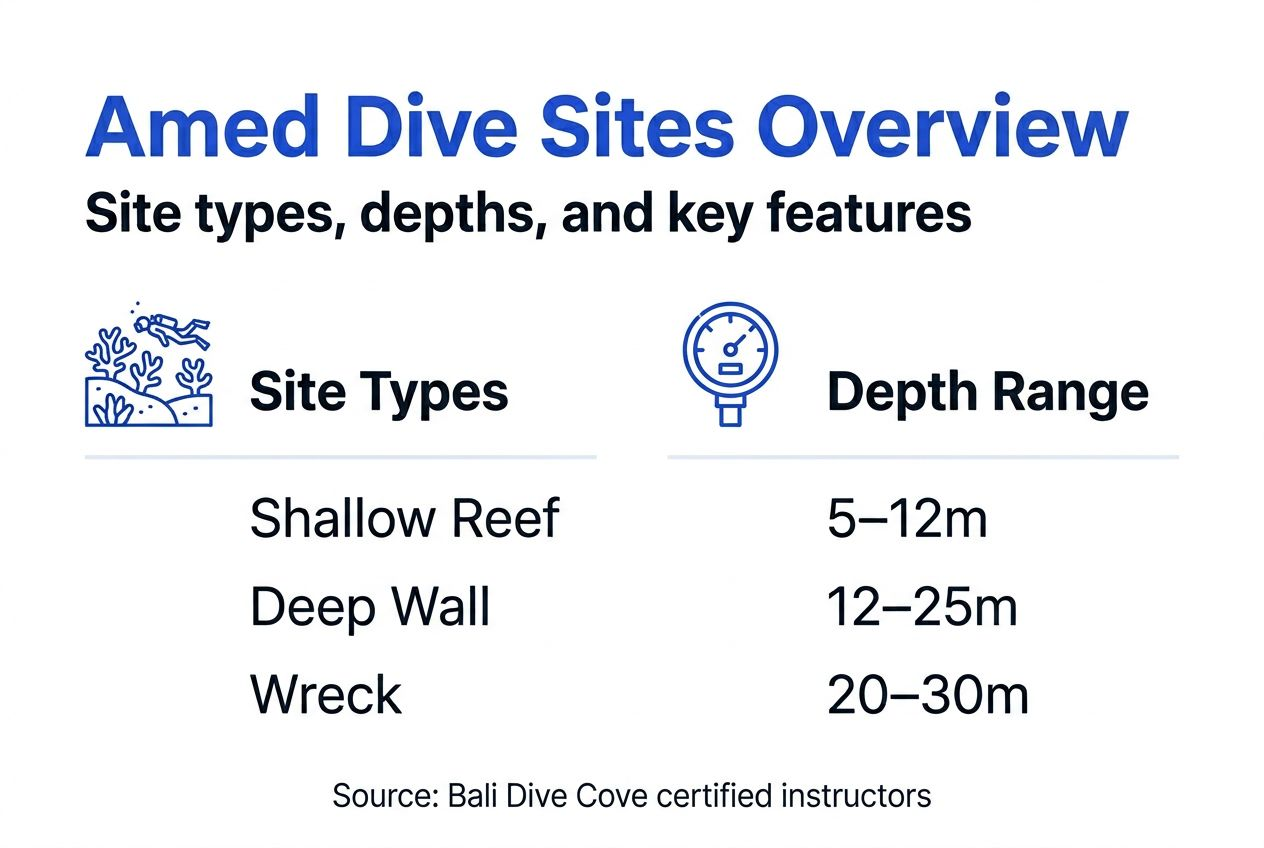
Intermediate divers progress to reef walls and deeper reef systems at 12 to 25 metres. These sites introduce more complex navigation challenges whilst maintaining manageable conditions. You’ll encounter larger marine species here, including sea turtles, reef sharks, and schools of barracuda patrolling the wall edges.
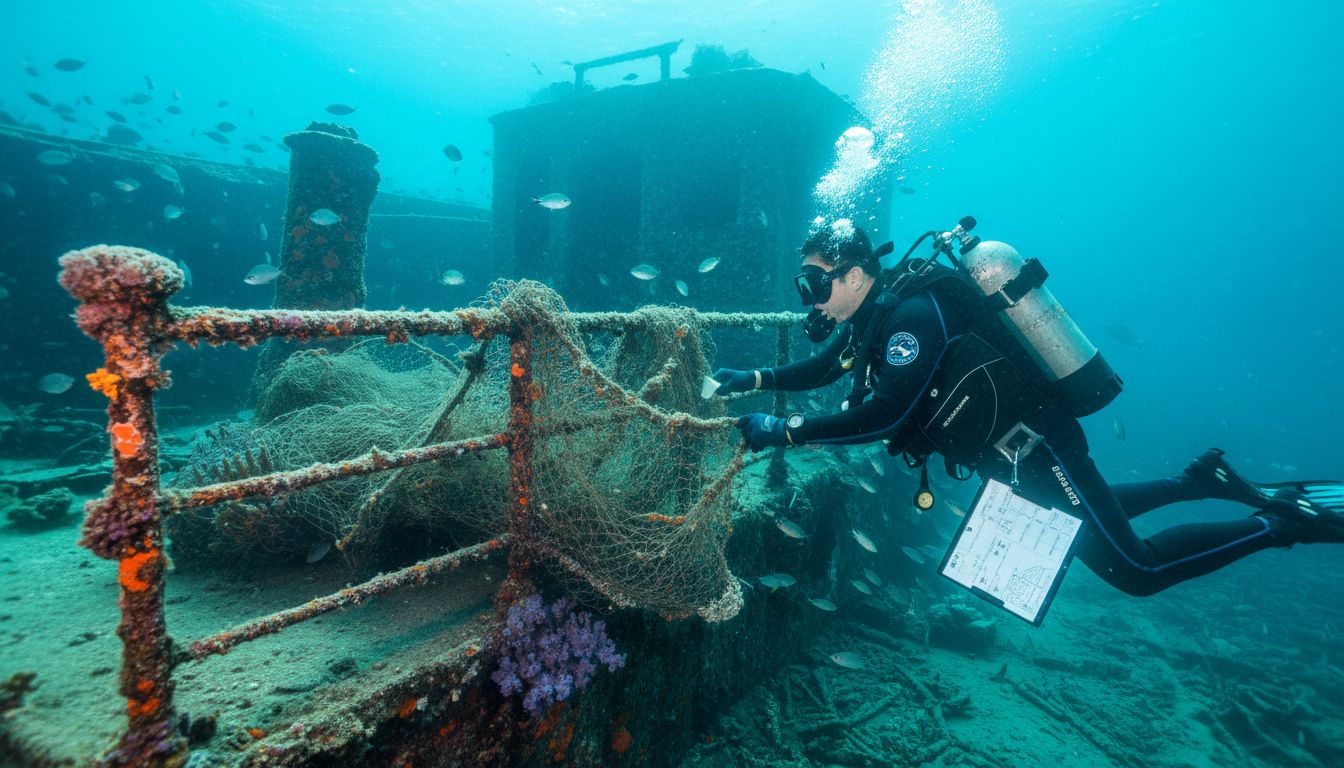
Advanced certified divers can explore wreck sites at depths of 20 to 30 metres. The USAT Liberty wreck remains Amed’s most famous dive, offering dramatic swim-throughs and resident schools of bumphead parrotfish. These sites demand solid buoyancy control and awareness of currents.
Dive site difficulty breakdown:
| Site type | Depth range | Suitable for | Key features |
|---|---|---|---|
| Shallow reefs | 5-12m | Beginners, Open Water students | Calm conditions, rich coral gardens |
| Reef walls | 12-25m | Intermediate, Advanced Open Water | Diverse marine life, moderate currents |
| Wrecks | 20-30m | Advanced certified | Complex structures, larger pelagics |
Pro Tip: Book morning dives for the calmest conditions and best visibility, particularly if you’re newly certified or completing training dives.
PADI certification opportunities in Amed
Three primary PADI courses serve the majority of visiting divers in Amed. Discover Scuba Diving provides a single-day introduction for absolute beginners, combining pool-like confined water training with a shallow reef dive. This programme requires no prior experience and lets you test scuba diving before committing to full certification.
The PADI Open Water course in Amed Bali typically spans three to four days. You’ll complete confined water skills in sheltered bays before progressing to four open water training dives at local reef sites. This certification permits independent diving to 18 metres worldwide.
Advanced Open Water Diver certification builds on foundational skills through five adventure dives over two to three days. The PADI Advanced Open Water course Bali includes mandatory deep and navigation dives plus three electives like wreck diving or fish identification, all conducted at progressively challenging Amed sites.
Course progression structure:
- Complete online or classroom theory sessions covering dive physics, physiology, and safety procedures
- Practise core skills in confined water until mastery is demonstrated
- Apply skills during supervised open water dives at appropriate local sites
- Receive certification card upon successful completion of all requirements
Small group sizes create the foundation for effective learning. PADI courses in Amed maintain small student-to-instructor ratios with a maximum of four students per instructor during training dives. This personalised attention allows instructors to adapt pacing to individual comfort levels whilst maintaining safety standards.
Prerequisites remain straightforward. You must demonstrate basic swimming ability, typically defined as swimming 200 metres continuously or 300 metres with fins, mask, and snorkel. A medical questionnaire identifies any conditions requiring physician clearance before participation. Minimum age varies by course, starting at 10 years for junior certifications.
Pro Tip: Complete your PADI eLearning modules before arriving in Bali to maximise time underwater and minimise classroom hours during your holiday.
Safety and instructor expertise
Amed’s dive instructors combine international PADI certification with extensive knowledge of local conditions accumulated through years of daily diving. This dual expertise proves essential when adapting standard procedures to site-specific challenges like seasonal current patterns or variable visibility conditions.
Every dive begins with a detailed briefing covering entry and exit points, maximum depth and time limits, underwater navigation route, hand signals, and emergency procedures. Instructors assess current conditions in real time and adjust dive plans accordingly, sometimes relocating to more sheltered sites when conditions warrant.
Core safety protocols include:
- Mandatory buddy system pairing throughout every dive
- Pre-dive safety checks using standardised procedures
- Continuous monitoring of air supply and bottom time
- Established ascent rates and safety stop compliance
- Surface marker buoy deployment for boat traffic awareness
- Emergency oxygen and first aid equipment on all dive boats
Small group diving enhances safety through improved supervision. Guided dives improve safety and experience quality with groups capped at three to five divers per guide. This ratio enables instructors to maintain visual contact with all participants whilst providing individual assistance when needed.
Risk management extends beyond technical skills. Experienced guides recognise early signs of diver stress or discomfort, intervening before minor issues escalate. They adjust dive pace to accommodate slower swimmers and provide reassurance to anxious divers through consistent communication and positive reinforcement.
“The difference between adequate and excellent instruction lies in reading individual diver needs and adapting your approach accordingly. Small groups make this personalisation possible.”
Local knowledge dramatically reduces incident potential. Amed instructors understand which sites suit specific conditions, where marine life congregates seasonally, and how to navigate complex underwater topography efficiently. This expertise creates relaxed, enjoyable dives rather than stressful experiences.
Environmental and seasonal diving conditions in Amed
Bali’s tropical climate creates two distinct diving seasons affecting visibility, currents, and marine life activity. The dry season running from April through October delivers optimal conditions. During these months, visibility up to 30 metres combines with calmer seas and minimal rainfall to create ideal diving windows.
Wet season conditions from November to March introduce variables requiring careful planning. Increased rainfall reduces visibility to 10 to 20 metres at some sites whilst stronger currents affect accessibility. However, this period also brings nutrient-rich water attracting pelagic species including manta rays and sunfish to the region.
Seasonal diving comparison:
| Factor | Dry season (Apr-Oct) | Wet season (Nov-Mar) |
|---|---|---|
| Visibility | 20-30m | 10-20m |
| Sea conditions | Calm, minimal swell | Moderate swell possible |
| Water temperature | 26-29°C | 24-27°C |
| Current strength | Light to moderate | Moderate to strong |
| Marine life | Consistent reef species | Increased pelagic visitors |
Amed’s reef health remains robust compared to many Indonesian diving regions. Active coral cover ranges from 40 to 65 per cent across surveyed sites, supporting diverse fish populations and healthy ecosystems. Hard corals including table, staghorn, and brain corals dominate shallow areas whilst soft corals and gorgonian fans colonise deeper sections.
Environmental factors to consider:
- Seasonal thermoclines can create temperature variations of 3-4°C at depth
- Moon phases influence current strength, with stronger flows during new and full moons
- Recent volcanic activity occasionally affects visibility through sediment suspension
- Protected marine areas enforce strict no-touch policies for coral and wildlife
Local dive operators actively participate in reef conservation through regular clean-up dives, coral monitoring programmes, and sustainable diving education. These efforts help maintain ecosystem health whilst building environmental awareness amongst visiting divers. Operators encourage proper buoyancy control, discourage wildlife harassment, and promote responsible photography practices.
Planning your dive timing around seasonal patterns maximises both safety and enjoyment. First-time visitors often prefer dry season’s predictable conditions whilst experienced divers may target wet season for unique pelagic encounters. Regardless of timing, working with local guides ensures you dive sites matching current conditions rather than fighting against them.
Common misconceptions about diving in Amed
Many prospective divers assume Amed caters exclusively to experienced divers seeking challenging conditions. This myth persists despite nearly half of local dive sites being specifically suited to beginners and certification students. The region’s reputation stems from its famous wreck dive, but shallow reefs actually outnumber advanced sites.
Reality versus perception:
- Myth: Amed diving requires advanced certification and extensive experience
- Fact: Numerous 5 to 12 metre sites provide perfect beginner environments with professional instruction available daily
- Myth: Local conditions create dangerous diving situations for newcomers
- Fact: Strict safety protocols, experienced local guides, and careful site selection mitigate risks effectively across all skill levels
- Myth: Certification courses in Amed maintain lower safety standards than established diving destinations
- Fact: PADI centres undergo regular quality audits ensuring full compliance with international training standards regardless of location
Concerns about current strength prove overstated for properly matched sites. Instructors select training locations based on current student abilities, avoiding challenging sites until skills warrant progression. Beginners train in protected bays with minimal water movement before advancing to open reef environments.
The perception that Amed lacks beginner infrastructure ignores the reality of purpose-built training facilities. Multiple dive centres offer confined water areas, shallow entry points, and dedicated instruction zones designed specifically for skill development. These facilities rival purpose-built training pools whilst providing the authentic ocean environment essential for confident certification.
Another common worry involves language barriers affecting safety communication. However, PADI’s standardised hand signals create universal underwater language whilst most instructors speak fluent English alongside Indonesian. Pre-dive briefings clarify any terminology questions before entering water.
Some tourists question whether local operators maintain equipment to international standards. Reputable Amed dive centres service regulators and BCDs according to manufacturer specifications, replace hoses and O-rings proactively, and retire tanks before reaching maximum service life. Equipment condition directly impacts diver safety, making proper maintenance non-negotiable for established operators.
Guided diving advantages in Amed
Professional dive guides provide navigation expertise that transforms complex underwater terrain into manageable, enjoyable experiences. Amed’s reef walls, wreck structures, and current patterns require intimate knowledge to explore safely and efficiently. Guides identify entry points, plan routes avoiding hazards, and time dives to optimise marine life encounters.
Personalised pacing creates comfortable experiences for mixed-ability groups. Guides monitor air consumption rates and adjust speed to accommodate slower breathers whilst ensuring faster swimmers don’t rush ahead. This attention prevents the common scenario where stronger divers finish with ample air whilst newer divers surface uncomfortably low.
Key benefits of guided diving:
- Expert site selection based on current conditions and diver experience levels
- Active management of group positioning and depth throughout the dive
- Marine life identification enriching the educational aspect of each dive
- Emergency response capability with trained rescue procedures
- Stress reduction through confident leadership and clear communication
Guided dives with average group sizes of 3-5 divers enable guides to maintain visual contact with every participant simultaneously. This oversight proves crucial when navigating wrecks or managing current-affected sites where spatial separation can occur quickly. Guides position themselves strategically to monitor the group whilst leading navigation.
Certification progress accelerates under guided supervision. Instructors provide real-time feedback on buoyancy control, air consumption, and navigation skills during supervised dives. This immediate correction prevents bad habits from forming whilst building confidence through positive reinforcement of proper techniques.
Guided experiences reduce pre-dive anxiety significantly for newly certified divers. Knowing an expert manages navigation, marine life interactions, and emergency response allows you to focus entirely on enjoying the dive rather than worrying about logistics. This relaxation improves breathing efficiency and overall comfort underwater.
“Guided diving transforms underwater exploration from a potentially stressful navigation exercise into a relaxed journey of discovery. The guide handles logistics whilst you simply enjoy the reef.”
Tourists benefit particularly from local guides’ knowledge of seasonal marine life patterns. Guides know where turtles rest during specific months, which cleaning stations attract manta rays, and when schools of bumphead parrotfish gather at the wreck. This expertise creates targeted wildlife encounters rather than random chance sightings.
Conclusion and planning your dive experience in Amed
Amed delivers exceptional diving diversity within a compact geographic area, making it ideal for visitors with limited time wanting varied underwater experiences. From shallow training reefs to advanced wreck penetration, the region supports progression from absolute beginner to experienced diver without changing locations.
PADI certification courses integrate Amed’s natural dive sites into training programmes, providing authentic ocean learning environments rather than artificial pool settings. Small class sizes and experienced local instructors create safe, effective certification pathways tailored to individual learning speeds and comfort levels.
Safety infrastructure including strict protocols, small guided groups, and instructor expertise establishes Amed as a secure destination for first-time and experienced divers alike. The combination of professional standards and local knowledge reduces risks whilst maximising enjoyment across all experience levels.
Environmental conditions favour the dry season for optimal visibility and calm seas, though year-round diving remains viable with proper site selection. Healthy reefs support diverse marine ecosystems worthy of protection through responsible diving practices and conservation awareness.
Planning your Amed dive experience:
- Identify your current certification level and desired progression goals
- Select travel dates considering seasonal weather patterns and your experience level
- Research PADI course options if pursuing certification or skill development
- Book accommodation in Amed to minimise daily travel time to dive sites
- Arrange guided dives through established operators maintaining safety standards
- Prepare required documentation including medical clearance if needed
- Pack appropriate dive gear or confirm rental equipment availability
Discover PADI courses and guided dives at Bali Dive Cove
Ready to explore Amed’s underwater world with experienced local guides? Bali Dive Cove offers comprehensive PADI certification courses from beginner Open Water course in Amed Bali through advanced specialities, all taught by instructors with over 16 years of diving experience in these exact waters. Our small group approach ensures personalised attention whether you’re taking your first breaths underwater or exploring complex dive sites like the Liberty wreck.
We maintain strict safety protocols whilst creating relaxed, enjoyable experiences tailored to your pace. Our intimate knowledge of Amed’s reefs, seasonal conditions, and marine life patterns guarantees you dive the right sites at the right times. Flexible scheduling and straightforward online booking make planning simple, letting you focus on the excitement of your upcoming underwater adventure rather than logistics.
FAQ
What is the best time of year to dive in Amed?
The dry season from April to October provides the clearest visibility, often reaching 30 metres, combined with calmest sea conditions ideal for all diving activities. The wet season brings stronger currents and reduced visibility, though it also attracts seasonal pelagic species. Most divers prefer dry season conditions, particularly for certification courses. Consult scuba diving in Amed resources for detailed seasonal planning.
Can beginners safely dive in Amed?
Absolutely. Amed features numerous shallow reefs at 5 to 12 metres specifically suited to beginners and training dives. PADI-certified instructors provide personalised guidance in small groups, ensuring safe skill development at your own pace. Nearly half of Amed’s dive sites welcome first-time divers. The PADI Open Water course in Amed Bali uses these protected sites for effective, comfortable certification.
How do guided dives enhance the Amed diving experience?
Guided dives provide expert navigation through complex reef systems and wreck structures that would prove challenging to explore independently. Guided dives with few divers per instructor ensure personalised pacing, continuous safety supervision, and marine life identification enriching each dive. Guides manage logistics including site selection and current assessment, allowing you to focus entirely on enjoying the underwater environment. Explore options at scuba diving with Bali Dive Cove.
What prerequisites are needed for PADI courses in Amed?
Basic swimming ability forms the primary requirement, typically demonstrated by swimming 200 metres continuously or 300 metres with fins and mask. Minimum age starts at 10 years for junior certifications. A medical questionnaire identifies any conditions requiring physician clearance before participation. No prior diving experience is necessary for entry-level courses, making PADI certification accessible to most physically healthy individuals.
