What is the Sidem (Batu Belah)?
Sidem is a shore-entry dive site in Tulamben known for its fine volcanic sand and strong macro potential. It offers a different experience from Tulamben’s wrecks and walls, focusing instead on smaller marine life and careful exploration.
The dive follows a gently sloping seabed with scattered rocks, small coral patches and sandy areas. In some sections, the terrain transitions toward reef structure, offering variety within a single dive.
Why dive at the Sidem (Batu Belah)?
Sidem is dived primarily for its muck diving and macro photography potential. The open sandy bottom provides ideal habitat for well-camouflaged marine life.
This is a site where slow movement and close attention are rewarded. It is less about dramatic scenery and more about discovering smaller, often hidden species.
For divers who enjoy critter hunting and fine-tuning buoyancy skills, Sidem is one of the more rewarding sites in the Tulamben area.
What can you see at the Sidem (Batu Belah)?
Sidem is known for sandy-bottom species and unusual macro life. Divers may encounter:
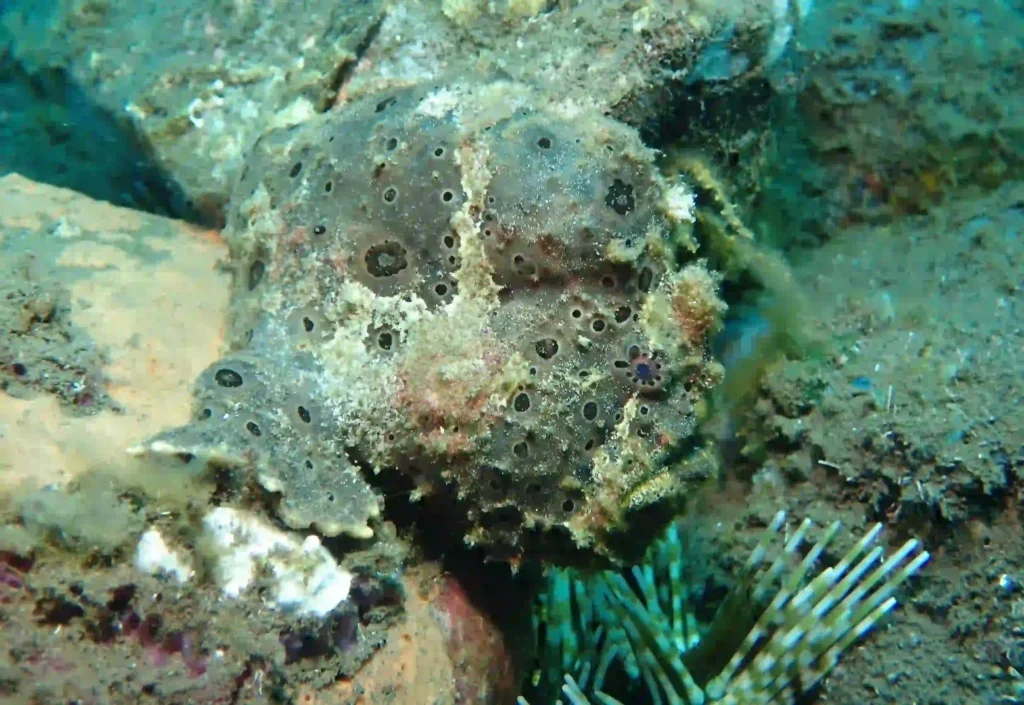
- Frogfish resting against sand or rubble
- Ghost pipefish and other delicate reef species
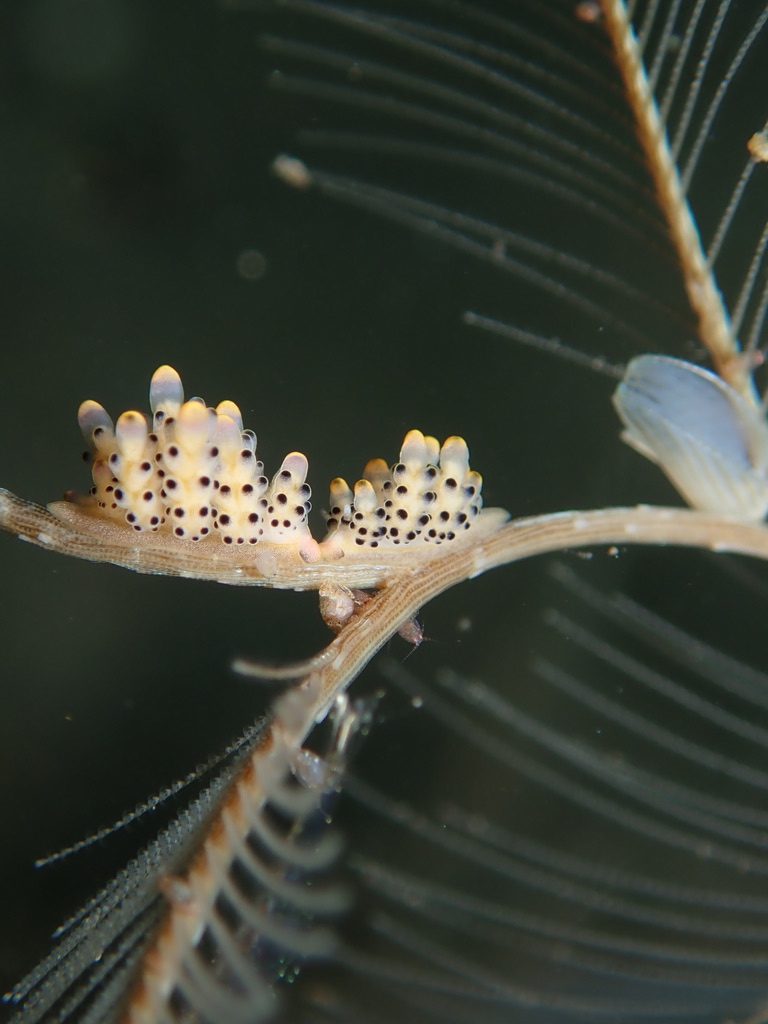
- Nudibranchs in a range of colours and patterns
- Octopus and cuttlefish along the slope
- Boxer crabs and small crustaceans
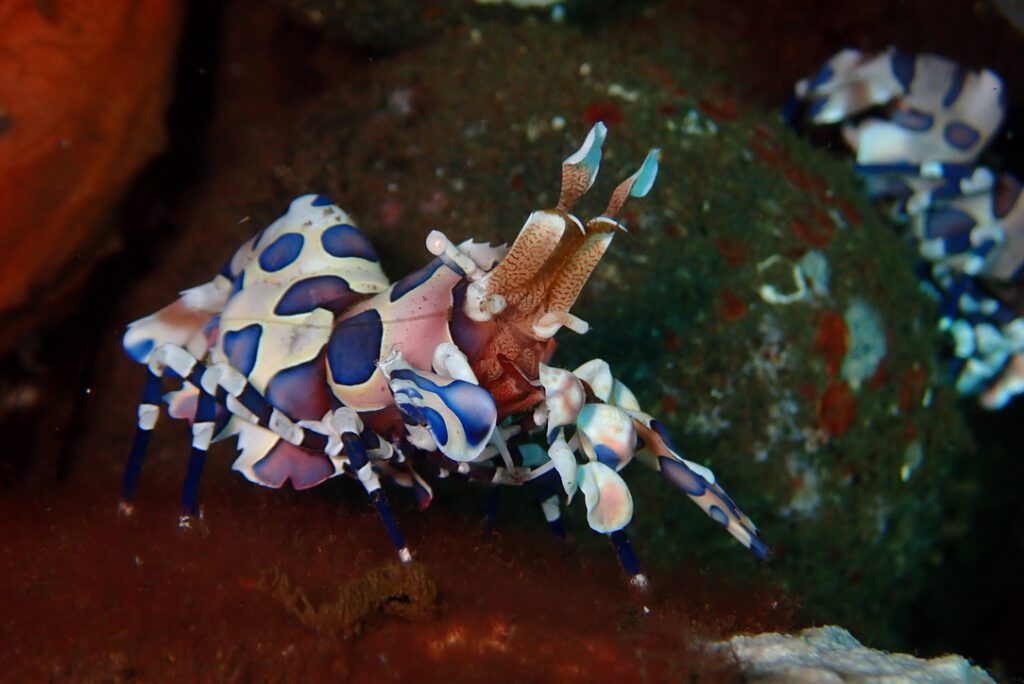
- Shrimp, including mantis shrimp and cleaner species
- Scorpionfish and stonefish
- Blue-spotted stingrays partially buried in sand
Rare and unusual macro species are frequently spotted here by experienced guides, though sightings always depend on season, conditions and timing.
Patience and precise buoyancy are key to making the most of this site.
Typical Dive Day Setup
At Bali Dive Cove, we typically organise two to three dives per day. Sidem is accessed from shore and included when conditions are calm and visibility is suitable. We leave the dive center around 8am and a two-dive days usually finish around lunchtime, while three dives conclude at approximately 2pm.
Sidem may be incorporated into Advanced Open Water fish ID dives when appropriate.
Frequently Asked Questions