

Choosing the right dive site in Bali can feel overwhelming when you’re unsure which marine life you’ll encounter or whether a location matches your skill level. With over 1,000 species of fish and coral thriving in the Coral Triangle, divers often struggle to plan dives that align with their interests and abilities. This guide clarifies which marine species live where, helping you make informed choices for safer, more rewarding underwater experiences.
Key takeaways
| Point | Details |
|---|---|
| Coral Triangle location | Bali’s position ensures exceptional marine biodiversity with vibrant reef ecosystems. |
| Pelagic sightings | Manta rays and mola mola appear seasonally at specific advanced dive sites. |
| Reef accessibility | Colourful coral gardens and reef fish suit all diver experience levels. |
| Macro diving | Tiny rare species require advanced skills and are found at specialised sites. |
| Safety practices | Proper planning and conservation awareness enhance dive quality and marine protection. |
How to choose dive sites based on marine life in Bali
Selecting the right dive site starts with understanding how your skill level, seasonal timing, and habitat preferences align with Bali’s marine offerings. The island sits within the Coral Triangle, hosting over 1,000 species, creating unparalleled biodiversity that varies dramatically across locations.
Your certification and experience determine which sites you can safely explore. Beginners thrive at safe beginner dive sites with minimal currents and shallow depths, whilst advanced divers handle stronger flows and deeper descents. Matching your abilities to site conditions prevents accidents and builds confidence underwater.
Seasonal patterns dictate when specific marine animals appear. Manta rays gather at cleaning stations during certain months, whilst mola mola visits peak in cooler water periods. Planning dives around these windows maximises your chances of spectacular encounters without wasting time at empty sites.
Different habitats attract distinct species. Consider these factors when planning:
- Coral reefs support tropical fish, turtles, and invertebrates in shallow, colourful environments
- Rocky outcrops and walls draw pelagic species during current-rich periods
- Sandy bottoms and rubble zones host camouflaged macro creatures and bottom dwellers
- Wreck sites combine artificial structures with natural reef growth for hybrid ecosystems
Current strength and depth directly impact safety margins. Strong flows require excellent buoyancy control and higher air consumption, limiting bottom time for less experienced divers. Shallow sites offer longer dives with easier navigation, ideal for building skills before tackling challenging conditions.
Pro tip: Check local dive centre reports before booking to confirm recent sightings and current conditions, as marine life movements can shift unexpectedly even within established seasonal patterns.
Pelagic giants: manta rays and mola mola
Bali’s most sought-after marine encounters involve massive pelagic species that migrate through specific sites during predictable seasons. These animals draw divers from across the globe, but accessing them safely requires proper preparation and advanced skills.
Manta Point at Nusa Penida serves as the primary manta ray cleaning station, where these graceful giants arrive for parasite removal by smaller fish. The site experiences strong, unpredictable currents that demand solid reef hook technique and situational awareness. Divers without current experience risk being swept away or damaging fragile coral whilst struggling to maintain position.
Mola mola sightings concentrate at Crystal Bay between July and October when cooler upwellings bring these enormous sunfish to shallower depths. Water temperatures drop during this period, so thicker wetsuits become necessary alongside advanced navigation skills. The currents here rival Manta Point’s intensity, making both locations unsuitable for newly certified divers.
Key considerations for pelagic diving include:
- Advanced Open Water certification minimum, with demonstrated current diving experience
- Reef hooks and proper training in their use to avoid coral damage
- Flexible scheduling to capitalise on optimal current and visibility windows
- Patience, as wildlife sightings are never guaranteed despite seasonal patterns
“Manta rays and mola mola represent Bali’s diving crown jewels, but rushing into these sites without adequate preparation compromises both safety and conservation efforts. Respecting current conditions and maintaining distance from animals ensures these encounters remain sustainable for future generations.”
Conservation remains critical for these vulnerable species. Touching mantas removes their protective mucus layer, whilst flash photography disorients mola mola. Maintaining a respectful distance allows natural behaviour to continue undisturbed, creating better observation opportunities and protecting animal welfare.
Planning dives during Bali’s dry season from April to October improves visibility and reduces choppy surface conditions. Calmer seas make boat travel more comfortable and allow dive operators to access sites more consistently, increasing your chances of successful pelagic encounters.
Reef fish and coral gardens: colourful diversity
Bali’s reef ecosystems provide the most accessible and consistently rewarding diving experiences across all skill levels. These vibrant underwater gardens showcase the island’s marine diversity without requiring advanced certifications or challenging conditions.
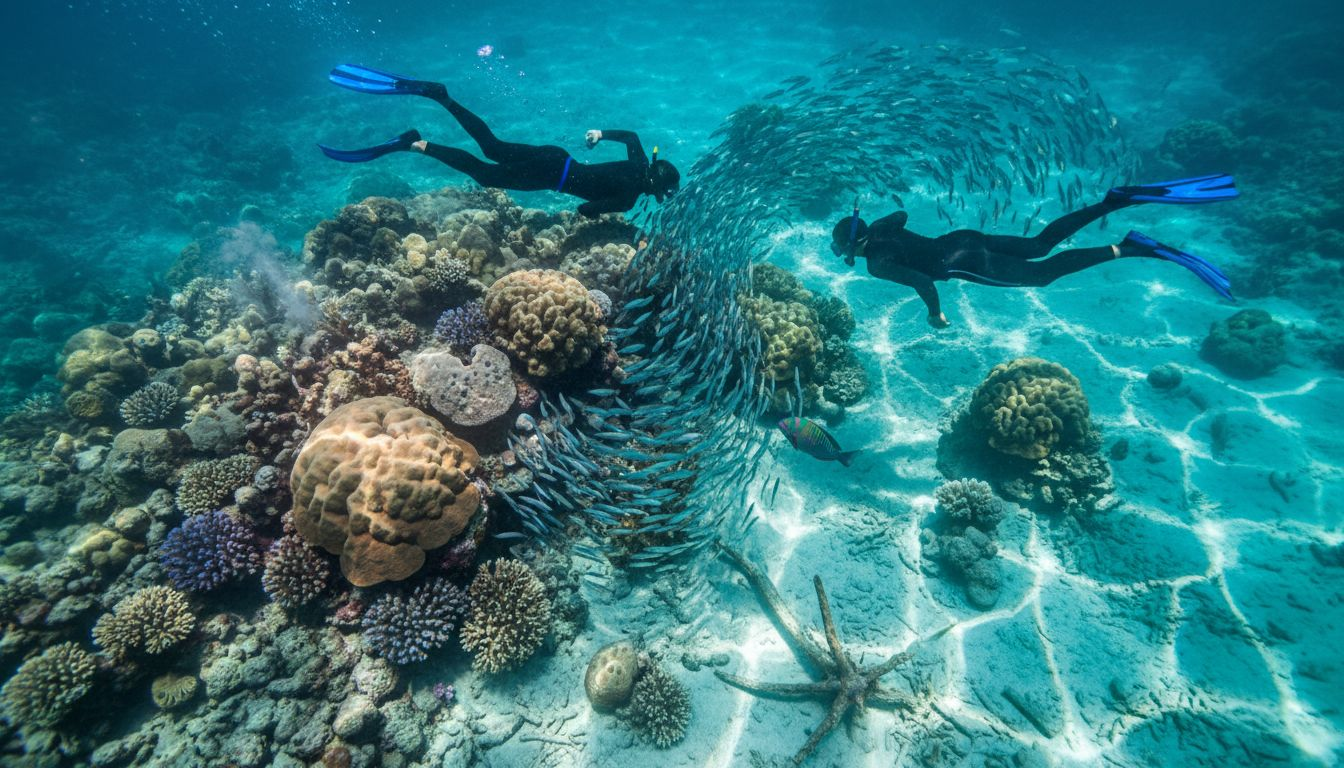
Tulamben and Menjangan Island rank as premier reef diving locations, each offering distinct character and marine life assemblages. Tulamben combines wreck diving at the USAT Liberty with healthy hard coral formations, whilst Menjangan’s protected waters feature pristine walls dropping into deep blue water. Both sites contain over 1,000 fish and coral species, creating kaleidoscopic underwater landscapes.
Diverse coral species form the foundation for complex reef habitats. Hard corals like brain coral and staghorn varieties provide structure, whilst soft corals add movement and colour. These living ecosystems support food chains that sustain everything from tiny cleaner shrimp to large predatory fish, with sea turtles frequently gliding through to feed on algae and seagrass.
Common reef sightings include bumphead parrotfish grazing on coral, schools of fusiliers creating silver clouds, and curious batfish approaching divers. Moray eels peer from crevices whilst lionfish hunt at dusk, and clownfish dart amongst protective anemone tentacles. The jemeluk reef dive site exemplifies this diversity in calm, shallow conditions perfect for beginners.
| Reef zone | Typical depth | Common species | Skill level |
|---|---|---|---|
| Shallow reef | 5-12 metres | Clownfish, damselfish, coral groupers | Beginner |
| Mid reef | 12-20 metres | Turtles, parrotfish, surgeonfish schools | Open Water |
| Deep reef | 20-30 metres | Larger groupers, barracuda, reef sharks | Advanced |
| Wall diving | 5-40+ metres | Pelagic visitors, schooling fish, gorgonians | Intermediate to Advanced |
Reef health determines biodiversity levels and diving quality. Healthy corals display vibrant colours and active polyp feeding, whilst bleached or damaged reefs support fewer fish and less visual interest. Choosing dive operators committed to mooring buoy use and proper weighting helps preserve these fragile environments for future enjoyment.
Pro tip: Early morning reef dives offer the best visibility and fish activity before sediment stirred by afternoon boat traffic reduces clarity and marine life retreats to shelter.
Macro and rare marine creatures for experienced divers
Bali’s tiniest residents offer some of the most extraordinary diving experiences for those with patience and keen observation skills. Macro marine life requires different techniques than reef or pelagic diving, rewarding divers who master buoyancy control and slow, methodical movements.
Pygmy seahorses represent the ultimate macro challenge, measuring barely 2 centimetres and camouflaging perfectly against gorgonian sea fans. Nudibranchs provide easier targets with their vibrant colours and patterns, though spotting rare species still demands sharp eyes and local knowledge. Sites such as Amed and Seraya concentrate these creatures in sandy, rubble-strewn environments that look barren to untrained observers.
Advanced divers gain significant advantages in macro environments through refined buoyancy that prevents fin kicks from disturbing sediment and superior air consumption allowing extended bottom time. Patience becomes essential, as rushing past potential hiding spots means missing incredible encounters mere centimetres from your mask.
Successful macro diving depends on several factors:
- Excellent buoyancy control to hover motionless without damaging fragile organisms
- Slow, deliberate movements that don’t spook skittish creatures
- Close communication with guides who know current creature locations
- Proper camera equipment and lighting for documenting tiny subjects
- Willingness to spend entire dives in small areas rather than covering distance
Photography transforms macro diving from simple observation into creative artistry. A quality macro lens reveals intricate details invisible to the naked eye, whilst proper lighting techniques highlight colours that appear dull in ambient light. Approach subjects slowly from their level rather than above, and avoid touching or manipulating animals for better composition.
Macro diving delivers unique biodiversity experiences beyond typical reef fish encounters. Frogfish demonstrate incredible camouflage whilst ambushing prey, whilst ornate ghost pipefish drift amongst sea grass blades. Boxer crabs brandish tiny anemones like pom-poms, and mantis shrimp peer from burrows with complex eyes rivalling camera technology.
Pro tip: Book multiple dives at proven macro sites rather than sampling various locations, as familiarity with specific terrain dramatically improves your spotting success and creature identification skills.
Best dive sites in Bali by marine life experience
Matching dive sites to your marine life interests and skill level transforms generic diving into targeted adventures that meet specific goals. Bali’s geographic diversity means the right planning delivers exactly the underwater experience you seek.
Nusa Penida dominates for pelagic encounters, with seasonally rich manta and mola mola sightings attracting experienced divers willing to handle strong currents. The island’s exposed position channels nutrient-rich water that draws these giants, but the same conditions create challenging diving unsuitable for beginners. Advanced certification and demonstrated current experience become mandatory rather than optional.
Tulamben excels in versatility, offering accessible wreck and reef diving that accommodates multiple skill levels across various sites. The USAT Liberty shipwreck starts in just 5 metres, allowing snorkellers and new divers to explore whilst certified divers descend to 30 metres on the same structure. Nearby coral gardens and drop-offs provide alternatives when wreck diving loses appeal.
Amed and Seraya attract macro enthusiasts seeking rare creatures in calm, protected waters. Sandy slopes and rubble zones host critters that thrive in environments other divers might dismiss as uninteresting. These sites suit photographers prioritising unique subjects over wide-angle reef scenes, with minimal current allowing precise buoyancy adjustments.
Blue Lagoon and Jemeluk Bay serve beginner dive site options perfectly, combining easy entry points with reliable reef fish sightings and gentle conditions. Maximum depths rarely exceed 15 metres, providing comfortable safety margins for building experience. Turtles frequent both locations, delivering memorable encounters without technical challenges.
| Dive site | Primary marine life | Skill requirement | Best season | Typical conditions |
|---|---|---|---|---|
| Manta Point | Manta rays | Advanced | April-November | Strong currents, 12-20m |
| Crystal Bay | Mola mola | Advanced | July-October | Strong currents, 18-30m |
| USAT Liberty | Reef fish, wreck life | All levels | Year-round | Mild current, 5-30m |
| Amed | Macro creatures | Intermediate-Advanced | Year-round | Minimal current, 5-18m |
| Jemeluk Bay | Reef fish, turtles | Beginner | Year-round | Calm, 5-12m |
Optimal experiences emerge from honest self-assessment of abilities matched against site requirements. Pushing beyond your comfort zone builds skills gradually, but attempting dives far exceeding your experience creates dangerous situations and diminishes enjoyment. Consult the comprehensive Bali dive site guide for detailed location information before committing to specific destinations.
Safety and conservation best practices for marine life exploration
Safe, responsible diving practices protect both divers and the marine environments they visit. Following established protocols and conservation guidelines ensures Bali’s underwater ecosystems remain vibrant for future generations whilst maximising your own safety margins.
Always dive with a buddy and complete thorough equipment checks before every descent. The PADI safety protocols and buddy system provide redundant safety layers that prevent minor issues from escalating into emergencies. Regular gauge monitoring, planned ascent rates, and clear communication signals form the foundation of incident-free diving.
Reef hooks allow divers to secure themselves in strong currents without damaging coral, but improper use causes significant environmental harm. Hook only dead rock or rubble zones, never living coral. Maintain slight negative buoyancy to avoid swinging into fragile organisms, and unhook immediately if currents shift direction or intensity.
Respecting marine life means observing without interfering. Maintain minimum distances from all creatures, resist touching temptations regardless of how harmless contact seems, and never chase or corner animals for better photographs. Stressed marine life alters behaviour patterns, disrupts feeding, and may abandon critical habitats.
Choosing dive centres emphasising conservation practices supports sustainable tourism. Look for operators using mooring buoys instead of anchors, limiting group sizes, providing thorough briefings about environmental protection, and participating in reef restoration or marine research programmes. Your spending decisions directly influence local conservation efforts.
Eco-friendly diving habits include:
- Perfect buoyancy control to avoid accidental coral contact
- Secure equipment so nothing drags across the reef
- Remove any rubbish encountered underwater
- Avoid gloves except in cold water, reducing touching temptation
- Use reef-safe sunscreen that doesn’t harm coral polyps
Adopting these practices preserves Bali’s marine biodiversity whilst improving your diving skills and situational awareness. Neutral buoyancy and spatial awareness developed through conservation-minded diving translate directly into safer, more controlled underwater movement.
Pro tip: Consider the PADI Dive Against Debris or Coral Restoration specialties to transform conservation awareness into active participation, gaining new certifications whilst contributing meaningfully to marine protection efforts.
Explore Bali’s marine life with the right dive courses and sites
Understanding Bali’s marine diversity is just the beginning. Advancing your skills through proper training and exploring top dive sites with experienced guidance transforms knowledge into unforgettable underwater experiences.
The advanced open water course Bali builds capabilities for handling currents and deeper depths where pelagic species appear. Speciality training like the deep diver course Bali prepares you for sites beyond recreational limits. Expert instructors familiar with local conditions accelerate your progression whilst maintaining safety standards, helping you access previously unreachable marine encounters. Discover Bali’s premier locations through our comprehensive Bali dive sites guide and gain the confidence to safely enjoy everything from macro critters to manta rays.
FAQ
What marine species can beginners expect to see in Bali?
Beginners typically encounter colourful reef fish, sea turtles, and vibrant coral gardens at calm sites like Blue Lagoon and Jemeluk Bay. These locations feature gentle currents and shallow depths that allow comfortable observation of damselfish, clownfish, parrotfish, and occasional turtle sightings. The predictable conditions let new divers focus on buoyancy and navigation whilst enjoying diverse marine life.
When is the best time to see manta rays and mola mola in Bali?
Manta rays appear mainly from April to November at Nusa Penida’s Manta Point cleaning stations, with peak activity during the dry season months. Mola mola sightings concentrate between July and October at Crystal Bay when cooler upwellings draw these sunfish to accessible depths. Booking during these windows significantly improves encounter chances, though wildlife sightings are never guaranteed.
Are macro marine life dives suitable for novice divers?
Macro diving generally requires intermediate to advanced skills due to the precise buoyancy control and slow, methodical movements needed to spot and photograph tiny creatures without disturbing sediment. Sites like Amed and Seraya suit experienced divers and underwater photographers who can hover motionless and maintain spatial awareness. Beginners should develop fundamental skills at reef sites before attempting specialised macro diving.
How can I contribute to marine conservation whilst diving in Bali?
Follow your dive centre’s environmental guidelines, avoid touching or harassing marine life, and perfect your buoyancy to prevent accidental coral contact. Use reef hooks only on dead substrate, secure all equipment to prevent dragging, and remove any rubbish you encounter underwater. Supporting dive operators committed to conservation through mooring buoys and reef restoration programmes amplifies your positive impact beyond individual dive practices.
