

TL;DR:
- Bali offers diverse underwater landscapes suitable for all skill levels, including coral gardens, wrecks, muck dives, and volcanic seabeds.
- Each landscape provides unique sights, from vibrant reefs to rare macro critters and dramatic wall topography.
- Planning and local guidance enhance the diving experience, revealing lesser-known sites beyond the main attractions.
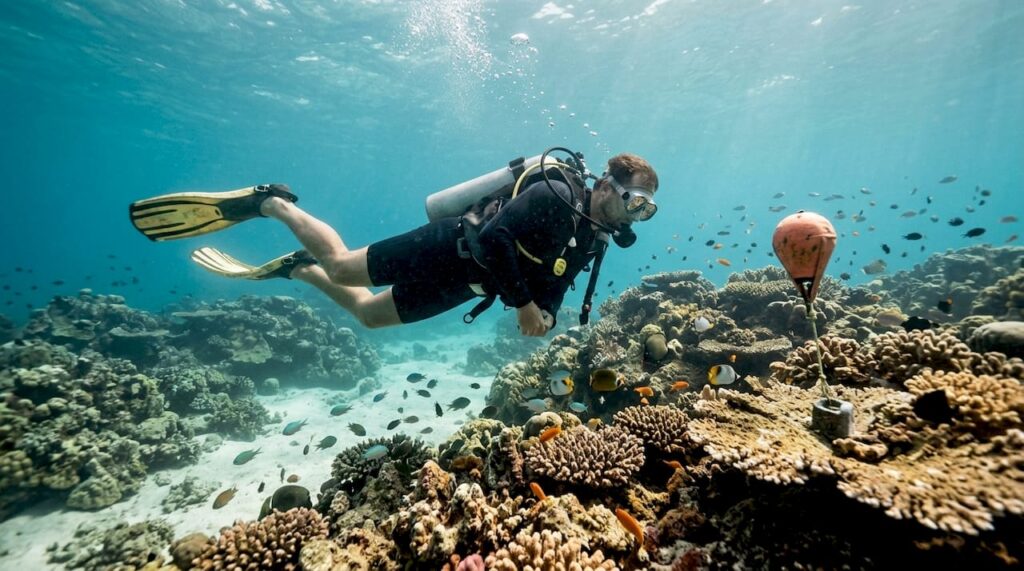
Bali’s underwater world is one of the most varied and exciting on the planet. Whether you picture yourself drifting over vibrant coral gardens, peering into the hull of a sunken warship, or hunting for tiny nudibranchs in volcanic silt, Bali delivers it all. Yet with so many environments to choose from, knowing where to start can feel overwhelming. This article breaks down the main types of underwater landscapes you’ll find across Bali, explains what makes each one special, and helps you match the right terrain to your skill level, interests, and travel style. By the end, you’ll have a clear picture of exactly where to point your fins.
Key Takeaways
| Point | Details |
|---|---|
| Wide landscape diversity | Bali offers coral reefs, shipwrecks, muck, walls and volcanic seabeds for all diver levels. |
| Matching site to skill | Choosing the right underwater landscape depends on your dive experience and interests. |
| Tailored trip options | Dive packages and providers help travellers combine landscape types for truly memorable experiences. |
| Year-round diving | Bali’s underwater landscapes are accessible throughout the year with careful planning. |
Criteria for choosing Bali’s underwater landscapes
Choosing the right dive environment starts with honest self-assessment. Not every site suits every diver, and that’s perfectly fine. The good news is that Bali caters to novice and advanced divers through a wide range of underwater terrain, so there really is something for everyone.
Here are the key factors worth thinking about before you book:
- Skill level: Shallow coral gardens with gentle currents are ideal for beginners, while wrecks and wall dives often require buoyancy control and navigation skills suited to more experienced divers.
- Visibility and currents: Some sites, like Nusa Penida, are famous for strong upwellings that bring manta rays and mola mola, but those same currents can catch newer divers off guard.
- Your main interest: Are you drawn to marine life, underwater photography, history, or dramatic topography? Each landscape type rewards a different kind of curiosity.
- Accessibility: A few sites require a boat journey of an hour or more, while others are simple shore dives just steps from your accommodation.
- Seasonality: Visibility and sea conditions vary throughout the year. The dry season from April to October generally offers calmer seas and clearer water across most sites.
Thinking through these points before you arrive will save you time and ensure you spend your dives doing what you actually love. It’s also worth reading up on dive resort selection tips to find a team that truly understands the sites you want to explore.
Pro Tip: If you’re visiting between May and September, prioritise sites on Bali’s east coast, where visibility regularly exceeds 20 metres and conditions are most consistent for both beginners and experienced divers.
Distinct types of Bali underwater landscapes
Having established your criteria, let’s explore the principal types of underwater landscapes Bali offers. Bali offers exceptional coral reefs, shipwrecks, muck diving spots, and volcanic seabeds, each with its own character and appeal.
- Coral gardens: Shallow, colourful, and teeming with reef fish, coral gardens are the classic introduction to Bali diving. Sites like Jemeluk Bay in Amed are perfect for beginners and snorkellers alike.
- Wreck dives: The USAT Liberty wreck in Tulamben is one of the most accessible wreck dives in the world. It’s a genuine dive into history, resting at depths between 5 and 30 metres and draped in spectacular coral growth.
- Muck dives: A treasure trove of tiny critters. Muck diving takes place on sandy or silty seabeds where rare and bizarre creatures like frogfish, ghost pipefish, and blue-ringed octopus hide in plain sight.
- Wall dives and slopes: Dramatic underwater cliffs that drop into deep blue water, often attracting pelagic species. Nusa Penida’s walls are world-renowned for manta ray encounters.
- Volcanic seabeds: Unique to Bali’s geology, these dark sandy plains host nurse sharks, eagle rays, and unusual invertebrates in an otherworldly setting.
| Landscape type | Typical depth | Key attraction |
|---|---|---|
| Coral garden | 3 to 15 metres | Reef fish, hard and soft corals |
| Wreck | 5 to 30 metres | History, marine colonisation |
| Muck dive | 5 to 20 metres | Rare macro critters |
| Wall dive | 10 to 40+ metres | Pelagics, dramatic topography |
| Volcanic seabed | 10 to 25 metres | Sharks, rays, unique geology |
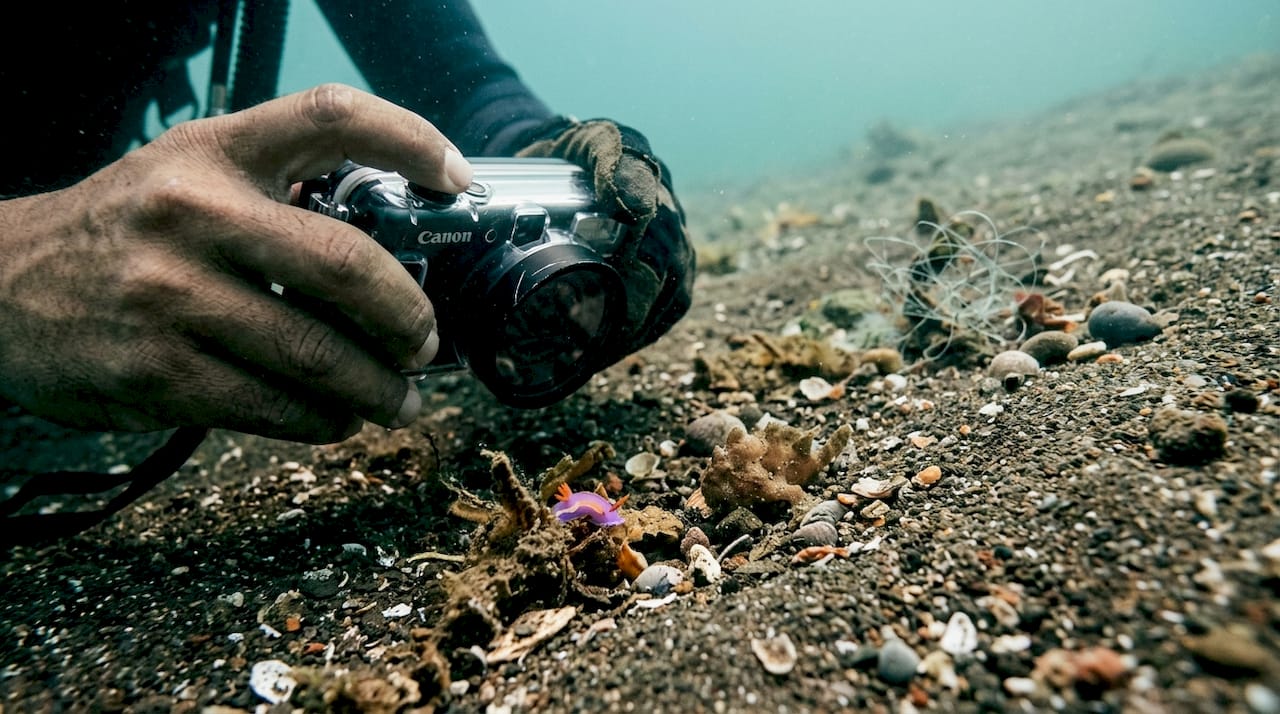
Pro Tip: Even if you’re a seasoned diver who loves walls and wrecks, try at least one muck dive during your trip. The patience it requires will sharpen your observation skills and reveal a side of Bali’s underwater world that most visitors never see.
For a deeper look at specific locations, a good Bali dive site guide will help you plan your itinerary around the landscapes that excite you most.
Comparison of Bali’s underwater landscapes
Now that we’ve profiled each landscape type, let’s summarise their key features for clear comparison. Each Bali underwater landscape type attracts distinct diving experiences, from easy coral gardens to challenging wrecks, and understanding these differences helps you make smarter choices.
| Landscape | Difficulty | Best for | Popular sites |
|---|---|---|---|
| Coral garden | Beginner | Families, first-timers | Jemeluk Bay, Padang Bai |
| Wreck | Beginner to intermediate | History lovers, all levels | USAT Liberty, Tulamben |
| Muck dive | Intermediate | Photographers, macro fans | Seraya Secrets, Puri Jati |
| Wall dive | Intermediate to advanced | Experienced divers | Nusa Penida, Crystal Bay |
| Volcanic seabed | Intermediate | Wildlife seekers | Amed, Kubu |
A few things stand out when you compare these landscapes side by side:
- Coral gardens and the USAT Liberty wreck are genuinely accessible to beginners, making them perfect starting points for anyone new to scuba diving.
- Muck dives reward patience and a slow pace. Rushing through a muck dive means missing the very creatures that make it special.
- Wall dives require solid buoyancy control. Descending along a sheer cliff face is thrilling, but you need to feel comfortable managing your depth.
- Volcanic seabeds are underrated. Many travellers skip them in favour of more famous sites, but the unusual geology and resident wildlife make them genuinely memorable.
Seasonality matters too. The best visibility at wall dive sites like Nusa Penida tends to fall between July and September, while muck dive sites are productive year-round. Planning around these windows will make a real difference to your experience. A comprehensive scuba holidays guide can help you align your travel dates with the conditions that suit your chosen landscapes.
Recommended Bali underwater landscapes for various travellers
With comparisons in place, it’s time to tailor recommendations to different traveller profiles. Bali’s underwater sites can be tailored for certification, adventure, relaxation or wildlife photography, which is exactly what makes the island so compelling for such a wide range of visitors.
- Families and first-timers: Start with coral gardens in Amed or Padang Bai. The shallow depths, calm conditions, and abundance of colourful fish create an immediately rewarding experience without pressure.
- Solo adventurers: Combine a wreck dive at the USAT Liberty with a wall dive at Nusa Penida. These two contrasting environments will give you a genuine sense of Bali’s underwater range.
- Underwater photographers: Prioritise muck dives at Seraya Secrets or Puri Jati. Bring a macro lens and plan for slow, methodical dives where every centimetre of the seabed could hide something extraordinary.
- Certification seekers: Amed’s calm, clear waters and varied terrain make it an outstanding classroom. You can complete your open water course in conditions that are genuinely enjoyable rather than merely functional.
- Wildlife enthusiasts: Time a visit to Nusa Penida between July and October for manta ray and mola mola sightings, and add a volcanic seabed dive in Amed for nurse sharks and eagle rays.
“Bali consistently ranks among the top five dive destinations in Asia, attracting divers from over 60 countries each year who come specifically for the variety of its underwater landscapes.”
Pro Tip: If you have a week in Bali, structure your itinerary to progress from easier to more challenging landscapes. Begin with coral gardens, move to a wreck dive mid-week, and finish with a wall dive or muck dive. This sequence builds your confidence and broadens your skills naturally. You’ll find detailed planning advice in this Bali dive tourism guide to help you make the most of every day underwater.
A fresh perspective on Bali’s underwater landscapes
After years of guiding divers across Amed and beyond, we’ve noticed something consistent. The divers who leave Bali most satisfied are rarely the ones who ticked off the most famous sites. They’re the ones who slowed down, trusted local knowledge, and ventured somewhere unexpected.
The USAT Liberty and Nusa Penida absolutely deserve their reputations. But some of the most memorable dives we’ve shared with guests have happened on quiet volcanic seabeds or unassuming muck sites that don’t appear in any top-ten list. These places reward curiosity over ambition.
Local expertise genuinely changes what you see underwater. An experienced guide knows where the frogfish has been sitting for three weeks, or which coral head the resident octopus calls home. That kind of knowledge transforms a good dive into an unforgettable one. Bali’s dive community is warm, knowledgeable, and genuinely invested in sharing the best of what this island has to offer. Our honest advice: go beyond the obvious, and let someone who knows these waters show you what you’d otherwise swim right past.
Explore Bali’s underwater landscapes with Bali Dive Cove
Ready to explore Bali’s underwater landscapes? At Bali Dive Cove, we’ve been guiding divers through Amed’s reefs, wrecks, and volcanic seabeds since 2018, and we’d love to show you what makes this corner of East Bali so special.
Whether you’re after your first breath underwater or you’re planning a week of varied Bali dive sites across multiple landscape types, we have options to suit you. Browse our Bali dive packages for guided experiences covering coral gardens, wrecks, and muck dives, or explore our Bali dive courses if you’re ready to earn your PADI certification in some of the most beautiful waters on earth. Small groups, experienced instructors, and unhurried dives are what we do best.
Frequently asked questions
What are the most popular types of underwater landscapes in Bali?
Coral reefs, shipwrecks, muck dives, wall dives and volcanic seabeds are the most popular underwater landscapes for divers in Bali, each offering a completely different experience.
Are Bali’s underwater landscapes suitable for beginners?
Yes, many Bali dive sites are ideal for beginners, and Bali caters to novice and advanced divers through a wide range of terrain, with coral gardens and shallow slopes being the most welcoming starting points.
Which underwater landscape is best for macro photography in Bali?
Muck dives are the best choice for macro photography, as sites like Seraya Secrets host rare and fascinating creatures that reward a patient, close-up approach. Bali’s muck diving spots are among the finest in Southeast Asia.
How can I combine different Bali underwater landscapes in one trip?
Plan your itinerary with a dive provider who offers packages covering multiple site types across Bali’s regions, progressing from easier coral gardens to more advanced walls and wrecks as your confidence grows.
Is there a best time of year to dive Bali’s underwater landscapes?
Spring and autumn offer excellent visibility and mild conditions for most landscapes, but with proper planning, Bali’s dive sites can be enjoyed year-round across all terrain types.
