

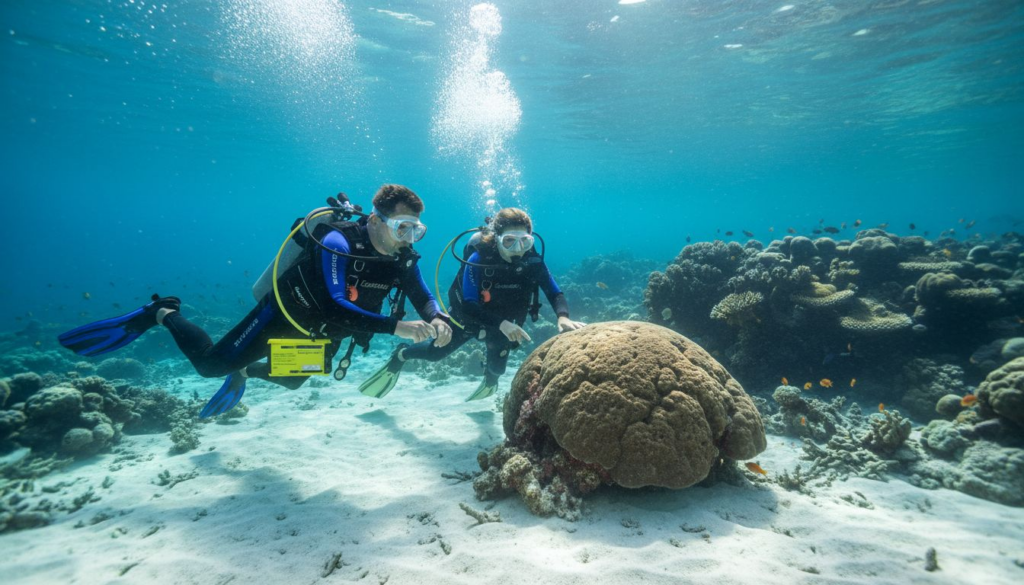
Planning a dive trip to Bali and expecting crystal clear water at every site? Think again. Underwater visibility in Bali varies dramatically throughout the year, influenced by seasonal monsoons, ocean currents and local dive site characteristics. Some sites offer stunning 30 metre visibility during peak season, while others drop below 10 metres when plankton blooms arrive. Understanding these patterns helps you choose the right time and location for your diving holiday, ensuring you experience Bali’s underwater world at its best rather than being disappointed by murky conditions.
Key takeaways
| Point | Details |
|---|---|
| Dry season clarity | Visibility often exceeds 30 metres between May and November, perfect for spotting marine life |
| Wet season trade-offs | Reduced visibility below 10 metres attracts diverse marine species despite lower clarity |
| Site-specific conditions | Strong currents at Nusa Penida create sediment suspension whilst northern sites maintain 25 metre visibility |
| Daily monitoring essential | Conditions change rapidly, requiring divers to check local reports before every dive |
How seasons affect Bali’s underwater visibility
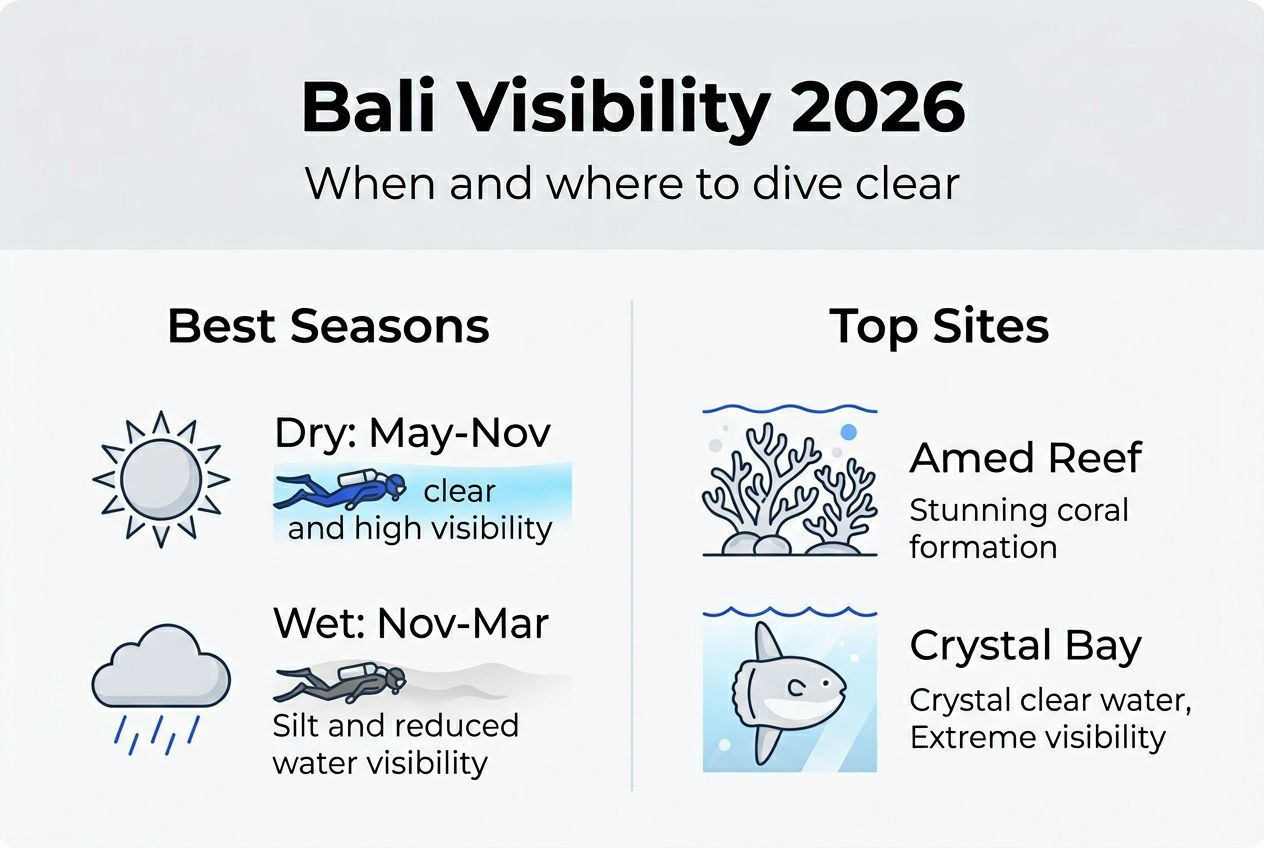
Bali’s tropical climate creates distinct diving seasons that dramatically impact what you see underwater. The dry season from May to November delivers the clearest conditions, with visibility exceeding 30 metres during July to September. These months offer ideal opportunities for photographing reef fish, spotting larger pelagics and exploring intricate coral formations without the frustration of limited sight lines. Water temperatures remain comfortable at 26 to 29 degrees Celsius year-round, so you won’t sacrifice thermal comfort for visual clarity.
The wet season from November to March tells a different story. Rainfall and nutrient upwelling trigger plankton blooms that reduce visibility below 10 metres at many sites. Before you write off wet season diving entirely, consider what these conditions bring. Plankton attracts filter feeders, including manta rays and whale sharks, creating unique encounters you won’t find during clearer months. The reduced visibility also concentrates marine life around reefs, making macro photography particularly rewarding.
Seasonal patterns affect different regions of Bali unevenly. East Bali dive sites like Amed often maintain better visibility during transitional months compared to southern locations. North Bali sites benefit from calmer seas during the dry season, whilst southern dive sites around Nusa Penida experience more variable conditions due to stronger currents from the Lombok Strait. Understanding these regional differences helps you select safe dive sites for beginners based on your skill level and comfort with varying visibility.
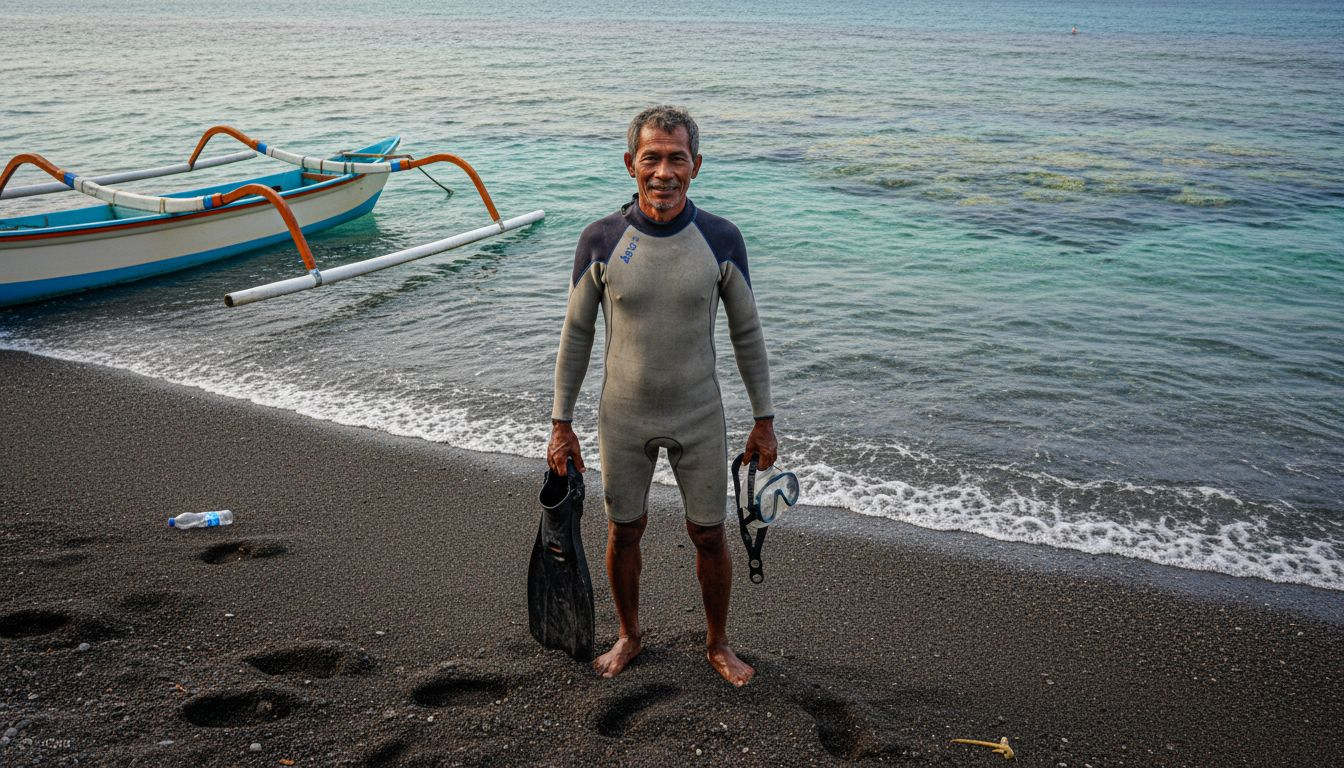
Pro Tip: Book your Bali diving holiday during the dry season if crystal clear water is your priority, but don’t dismiss the wet season if you’re keen to see larger marine species and don’t mind trading visibility for biodiversity.
Influence of dive sites and currents on visibility
Dive site selection matters as much as timing when planning for optimal visibility. Bali’s geography creates vastly different underwater environments, each with unique visibility characteristics shaped by currents, depth and proximity to river mouths. Sites along the north coast typically offer the most consistent clarity, whilst southern sites near the Lombok Strait face more challenging conditions.
Nusa Penida exemplifies how strong currents affect visibility through sediment suspension. Popular sites like Crystal Bay fluctuate between 10 and 15 metres of visibility depending on tidal cycles and current strength. The Lombok Strait funnels water between Bali and Lombok, creating nutrient-rich upwellings that attract mola mola and manta rays but simultaneously reduce clarity. These conditions demand experienced divers who can navigate safely with limited sight lines and handle strong currents.
Northern dive sites present a stark contrast. Locations around Pemuteran and Menjangan Island regularly exceed 25 metres of visibility during the dry season. Protected bay environments shield these sites from strong currents, allowing sediment to settle and maintaining clearer water. The trade-off is less dramatic topography and fewer large pelagic encounters compared to current-swept southern sites.
The USAT Liberty wreck in Tulamben offers relatively stable visibility year-round, typically ranging from 15 to 20 metres. Its proximity to shore and sheltered location protect it from the strongest currents affecting other sites. This consistency makes it popular with photographers and newer divers seeking predictable conditions. However, increased diver traffic can temporarily reduce visibility through sediment disturbance, particularly during peak morning hours.
| Dive Site | Typical Visibility | Current Strength | Best For |
|---|---|---|---|
| Crystal Bay, Nusa Penida | 10-15m | Strong | Experienced divers, mola mola season |
| Menjangan Island | 25-30m | Gentle | Beginners, photography |
| USAT Liberty | 15-20m | Moderate | All levels, wreck diving |
| Amed reefs | 20-25m | Gentle to moderate | Training dives, coral viewing |
Pro Tip: Check daily condition reports from local dive operators before committing to specific sites, as visibility can shift dramatically within 24 hours due to current changes and weather patterns. Choose USAT Liberty wreck site for consistent conditions or explore our guide to Bali dive sites for detailed site-by-site information.
Planning your dives around visibility conditions
Successful dive planning in Bali requires matching your expectations and skill level with current conditions. Rather than hoping for perfect visibility, take a strategic approach that maximises safety and enjoyment regardless of what the ocean delivers. This means checking conditions daily, selecting appropriate sites and preparing equipment for variable visibility scenarios.
Daily dive reports provide essential real-time information about visibility, current strength and marine life sightings. Local dive operators update these reports based on morning dives, giving you accurate data to make informed decisions. Visibility can change rapidly due to tidal shifts, rainfall or sudden current changes, making yesterday’s conditions irrelevant for today’s planning. Establish a routine of checking reports each morning before committing to specific dive sites.
Matching dive sites to your skill level becomes critical when visibility drops. Beginners should select sites with gentle currents and good visibility like Sanur and Padang Bai, where navigation remains straightforward even if conditions deteriorate slightly. Intermediate divers can handle moderate current sites with 15 to 20 metre visibility, whilst advanced divers possess the skills for challenging locations with strong currents and reduced clarity. Honest self-assessment prevents dangerous situations when visibility limits your ability to maintain buddy contact or navigate safely.
Follow these steps to prepare for diving in variable visibility conditions:
- Research seasonal patterns for your travel dates and adjust expectations accordingly, recognising that dry season offers peak clarity whilst wet season provides unique marine encounters.
- Book with reputable operators who prioritise safety and provide honest condition assessments rather than guaranteeing perfect visibility.
- Pack appropriate equipment including a dive computer, compass and torch for navigation in reduced visibility situations.
- Complete an advanced open water course or speciality training in navigation and deep diving to build skills for challenging conditions.
- Maintain excellent buoyancy control to avoid stirring up sediment that further reduces visibility for yourself and other divers.
- Plan backup dive sites in case primary locations have poor conditions, ensuring you have alternatives at beginner-friendly dive sites Bali offers.
- Consider group diving options Bali provides for added safety and local knowledge when navigating unfamiliar sites.
Equipment preparation matters more in variable visibility. A reliable dive computer with compass functions helps maintain orientation when visual references disappear. Carrying a torch proves useful even on day dives, illuminating colours that disappear in green water and helping you spot marine life in shadowy areas. Surface marker buoys become essential safety equipment when currents might separate you from the group in poor visibility.
Timing your dives within each day also affects visibility. Morning dives typically offer the clearest water before wind and boat traffic stir up sediment. Afternoon conditions often deteriorate at shallow sites near shore, whilst deeper sites maintain more consistent visibility throughout the day. Night dives eliminate visibility as a primary concern, shifting focus to what your torch illuminates rather than overall water clarity.
Explore Bali’s best dives with Bali Dive Cove
Understanding visibility patterns is just the start. Putting this knowledge into practice with experienced guidance transforms your Bali diving holiday from uncertain to exceptional. Bali Dive Cove operates from Amed in East Bali, where our instructors bring over 16 years of local diving experience and intimate knowledge of how conditions shift across sites and seasons. We specialise in small group dives with clear communication, ensuring you dive safely regardless of visibility conditions.
Our location in Amed provides access to some of Bali’s most consistent dive sites, including the USAT Liberty wreck and pristine coral reefs that maintain good visibility even during transitional seasons. Whether you’re booking guided dives at our Bali dive sites or advancing your skills through Bali dive courses, we match conditions to your abilities and goals. The PADI advanced open water course builds navigation and deep diving skills essential for handling variable visibility with confidence.
Frequently asked questions
What causes underwater visibility to vary in Bali?
Visibility changes primarily due to seasonal monsoons bringing rainfall and sediment runoff, plankton blooms triggered by nutrient upwelling, strong currents that suspend sediment particles, and proximity to river mouths that discharge freshwater. The dry season from May to November provides the clearest conditions, whilst the wet season from November to March reduces clarity but enriches the marine ecosystem. Current patterns from the Lombok Strait create particularly variable conditions at southern dive sites like Nusa Penida.
Which Bali dive sites offer the clearest visibility for beginners?
Sanur and Padang Bai provide gentle currents and consistently good visibility, making them ideal for novice divers building confidence underwater. Menjangan Island in North Bali regularly exceeds 25 metres of visibility with minimal current, perfect for training dives and relaxed reef exploration. The beginner-friendly dive sites Bali offers protect newer divers from challenging conditions whilst providing rewarding marine encounters. Amed’s house reefs combine accessibility with reliable 20 to 25 metre visibility during the dry season.
When is the best time to dive in Bali for optimum visibility?
The dry season from May to November delivers the best visibility for diving, with peak clarity during July to September when conditions regularly exceed 30 metres at northern sites. These months offer calm seas, minimal rainfall and settled sediment for the clearest underwater views. The wet season from November to March reduces visibility but attracts larger marine species like manta rays and mola mola, creating a trade-off between clarity and biodiversity. Transitional months of April, May, October and November provide moderate visibility with fewer crowds.
How can divers prepare for changing visibility conditions in Bali?
Regularly check local dive reports and weather forecasts each morning before diving, as conditions shift rapidly within 24 hours. Use dive computers with compass functions and practise buoyancy control to navigate confidently when visual references disappear. Complete advanced training in navigation and deep diving to build skills for handling reduced visibility situations safely. Carry appropriate equipment including torches, surface marker buoys and backup navigation tools. Review visibility and safety tips before your trip and dive with experienced local operators who provide honest condition assessments.
