

Planning a dive holiday involves more than simply choosing a tropical destination. Divers need to consider certification requirements, dive site conditions, safety standards and whether a location offers the type of underwater experience they are looking for.
This is where dive tourism comes in. Dive tourism refers to travel built around scuba diving experiences, whether that means learning to dive, exploring coral reefs, visiting historic wrecks or booking several days of guided dives.
Bali has become one of the world’s most popular dive tourism destinations because it offers an unusual level of variety within a relatively small area. Divers can experience calm coral reefs, volcanic underwater formations and famous wreck dives, often within short travel distances of each other.
Understanding how dive tourism works can make planning far easier. Knowing what certification level you need, how dive sites differ and how to choose a reputable dive operator helps ensure your trip is both safe and enjoyable.
This guide explains the basics of dive tourism and what divers should consider when planning a Bali dive holiday.
Key takeaways
| Point | Details |
|---|---|
| Dive tourism definition | Dive tourism is travel centred around scuba diving activities such as training courses, guided dives and underwater exploration. |
| Why Bali is popular | Bali offers diverse dive environments including coral reefs, volcanic formations and historic wreck sites. |
| Certification matters | Most dive sites require at least Open Water certification or equivalent training. |
| Planning a dive trip | Choosing experienced operators, understanding dive conditions and booking accommodation near dive areas can improve the overall experience. |
| Responsible diving practices | Good dive practices help protect coral reefs and marine ecosystems while supporting sustainable tourism. |
What is dive tourism?
Dive tourism refers to travel where scuba diving is one of the main reasons for visiting a destination. Instead of choosing a location purely for beaches or sightseeing, travellers select places known for their underwater environments, marine life or well-established dive sites.
For some visitors, dive tourism begins with learning to dive through entry-level certification courses such as PADI Open Water. Others travel specifically to explore well-known reefs, shipwrecks or marine ecosystems that cannot be experienced anywhere else.
Dive tourism can include a range of activities, such as:
-
Completing scuba certification courses
-
Guided recreational dives at established dive sites
-
Wreck diving and night diving experiences
-
Underwater photography trips
-
Multi-day dive holidays centred around a particular region
Destinations that become popular for dive tourism usually share several characteristics. They offer healthy marine ecosystems, safe diving conditions, reliable dive operators and facilities that support visiting divers.
In Bali, dive tourism has developed around several distinct diving regions, each offering different underwater landscapes and marine life. This variety allows travellers to combine training, relaxed reef diving and more advanced dives within a single trip.
What makes a dive destination attractive?
Not every coastal destination automatically becomes a successful dive tourism location. Divers typically choose destinations based on a combination of underwater experiences, safety, infrastructure and accessibility.
One of the most important factors is the quality of the underwater environment itself. Healthy coral reefs, abundant marine life, good visibility and unique underwater features such as wrecks or volcanic formations are major reasons why divers travel to specific locations.
However, the appeal of a dive destination goes beyond what is found underwater. Facilities and infrastructure also play an important role in shaping a diver’s experience. Reliable dive centres, access to equipment, nearby accommodation, training facilities and restaurants all contribute to whether a destination is convenient and comfortable for visiting divers.
Research into dive tourism interest has shown that both attraction and facilities can significantly influence travellers’ willingness to visit a dive destination, highlighting the importance of combining strong natural assets with well-developed tourism infrastructure.
Accessibility is another key consideration. Divers often prefer locations where dive sites can be easily reached, whether through shore diving, short boat rides or well-organised dive operations.
When these factors come together, a destination becomes much more appealing to travelling divers. Bali is a good example of this balance, offering both diverse underwater environments and the infrastructure needed to support dive tourism.
Bali’s unique dive environments: reefs, wrecks, and volcanic formations
Bali’s popularity as a dive tourism destination comes largely from the diversity of its underwater environments. Within a relatively small area, divers can explore coral reefs, volcanic underwater landscapes and historic shipwrecks. This variety allows travellers to experience very different types of diving during the same trip.
Coral reefs
Many areas around Bali feature healthy coral reef systems that support a wide variety of marine life. These reefs often begin just a few metres from shore and slope gradually into deeper water, making them suitable for both beginners and experienced divers.
Sites around Amed and other parts of Bali’s east coast are well known for colourful coral gardens, reef fish and macro life. Calm conditions and easy shore entries make these areas ideal for training dives and relaxed recreational diving.
Wreck diving
One of Bali’s most famous dive attractions is the USAT Liberty shipwreck in Tulamben. The wreck lies between approximately 5 and 30 metres and has become an artificial reef covered in coral and marine life.
Wreck dives offer a completely different experience compared with coral reefs. Divers can explore the structure of the ship while observing the marine ecosystem that has developed around it.
Volcanic formations
Bali’s volcanic geology also creates dramatic underwater landscapes. Walls, ridges and lava formations shape many dive sites and attract a wide range of marine species.
These environments can sometimes involve stronger currents or deeper profiles, which is why some sites are better suited to more experienced divers.
| Environment Type | Depth Range | Skill Level | Notable Features |
|---|---|---|---|
| Coral Gardens | 5-18 metres | Beginner | Colourful soft corals, clownfish, sea turtles |
| Volcanic Walls | 15-40 metres | Intermediate | Dramatic topography, pelagic species, strong currents |
| Wreck Sites | 10-30 metres | Advanced beginner | Historic shipwrecks, artificial reefs, marine encrustation |
| Deep Slopes | 20-45 metres | Advanced | Rare species, drift diving, technical challenges |
Underwater geography directly impacts dive difficulty and visual appeal. Shallow reefs with minimal current suit novice divers, whilst deep walls and wreck penetrations demand advanced skills and experience. Night and wreck dives make up 20% of advanced dive bookings, reflecting the exciting local dive diversity available to certified divers.
Pro Tip: Opt for night or wreck dives to experience Bali’s advanced dive offerings safely with certified guides who know site-specific conditions and navigation challenges.
The best dive sites in Bali span multiple regions, from Amed’s quiet reefs to Nusa Penida’s current-swept channels. Each site presents unique conditions requiring different skill levels and preparation approaches.
Safety and certification: navigating dive training in Bali
Certification forms the foundation of safe diving practices, especially in a destination like Bali where dive conditions can vary from calm reefs to stronger current sites.
For most people, the starting point is the PADI Open Water Diver course, which teaches the essential skills needed to dive safely with a buddy. The course includes confined water training followed by four open water dives and allows certified divers to dive to a maximum depth of 18 metres.
This level of certification covers many of Bali’s most accessible dive sites, including reef dives and shallow wreck sections.
More advanced training allows divers to expand their experience and access deeper or more challenging sites.
Common progression courses include:
-
PADI Advanced Open Water: Introduces deep diving and underwater navigation, extending the recommended depth limit to 30 metres.
-
Rescue Diver: Focuses on diver awareness, accident prevention and emergency response.
-
Speciality courses: Develop skills in specific areas such as wreck diving, underwater photography, night diving or drift diving.
-
Professional levels: Divemaster and instructor training prepare divers for leadership roles in the dive industry.
Bali’s diving conditions make proper training particularly important. Some areas, such as Nusa Penida, can experience strong currents, while other sites involve deeper profiles or complex underwater terrain. Good buoyancy control, situational awareness and proper dive planning help divers handle these conditions safely.
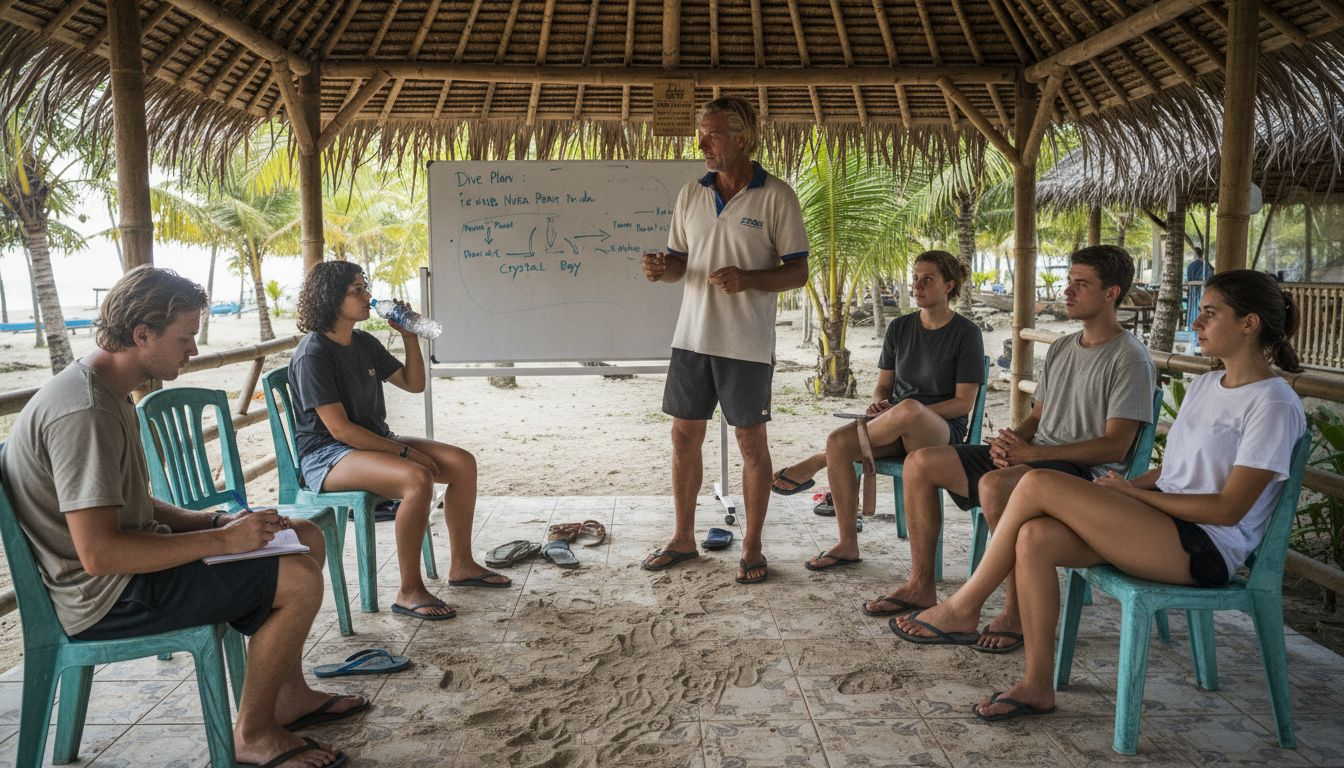
Experienced instructors and professional dive guides play a key role in maintaining safety standards. Before each dive, they assess conditions, conduct detailed briefings and monitor divers throughout the experience. Small group sizes allow instructors to provide closer supervision and immediate assistance if needed.
Common safety protocols include:
-
Pre-dive buddy checks to confirm equipment is functioning correctly
-
Planning dives within certification depth limits
-
Controlled ascents with a safety stop at 5 metres
-
Clear procedures for lost buddy or emergency situations
-
Surface signalling devices for safe boat pickup
Choosing a reputable dive operator ensures that equipment is maintained properly, dive plans are conservative and safety protocols are consistently followed.
Understanding the benefits of scuba certification extends beyond legal requirements to include confidence building and skill mastery. Proper PADI instructor qualifications ensure you receive standardised training meeting international safety standards.
Preparing for your dive holiday in Bali
Budget planning starts with understanding Bali dive tourism costs. PADI Open Water certification typically ranges from £300 to £450, including materials, pool sessions, and open water dives. Single guided dives cost £25 to £45 depending on site distance and boat requirements. Multi-dive packages offer better value, with five-dive packages averaging £150 to £200. Equipment rental adds £15 to £25 per day for full gear sets.
Follow this preparation workflow for a successful trip:
- Research and book certification courses 2-3 months ahead to secure preferred dates
- Complete online theory portions before arrival to maximise dive time
- Verify travel insurance covers diving activities up to your certification depth limits
- Pack personal items like masks and dive computers whilst planning to rent BCDs and regulators
- Schedule arrival 24 hours before first dive to acclimatise and reduce dehydration risks
- Arrange accommodation near dive centres to minimise travel time and maximise rest
- Download offline dive logs and certification cards for equipment verification
Acclimatising to tropical waters requires hydration awareness and sun protection. Drink extra water daily to offset humidity and physical exertion. Apply reef-safe sunscreen before boat trips to prevent burns during surface intervals. Tropical waters feel warm initially but extended exposure causes gradual heat loss, making 3mm wetsuits advisable for thermal protection.
Weather patterns influence dive planning throughout the year. Dry season from April to October delivers calmer seas and better visibility. Wet season from November to March brings occasional rain but maintains diveable conditions at protected sites. Understanding these patterns helps you align travel dates with preferred conditions.
Selecting trustworthy operators requires verification of several factors. Check PADI 5-Star ratings indicating quality standards compliance. Read recent reviews focusing on safety practices and instructor professionalism. Confirm small group sizes, ideally four divers per instructor maximum. Verify equipment maintenance schedules and availability of properly sized gear.
The scuba diving preparation workflow provides detailed checklists for organising your trip efficiently. Beginners benefit from reviewing safe dive sites beginner Bali to understand appropriate starting locations matching skill levels.
Environmental considerations and responsible diving
Coral reef health faces multiple threats in Bali’s dive tourism areas. Climate change causes periodic bleaching events when water temperatures exceed coral tolerance thresholds. Physical contact from inexperienced divers damages delicate coral polyps that take years to regenerate. Anchor damage from dive boats destroys reef structure in high-traffic areas. Pollution from coastal development introduces sediments and chemicals that stress marine ecosystems.
Responsible diving practices protect these fragile environments:
- Maintain neutral buoyancy to avoid accidental reef contact from fin kicks or body position
- Keep hands to yourself by observing marine life without touching or harassing creatures
- Secure all equipment with clips to prevent dangling gauges dragging across coral
- Use reef-safe sunscreen that doesn’t contain oxybenzone or octinoxate chemicals
- Follow designated mooring buoys instead of requesting anchor drops on reefs
- Take only photographs and leave shells, corals, and creatures undisturbed
- Report damaged reefs or illegal fishing activities to dive operators and authorities
Divers contribute directly to conservation through behavioural choices and financial support. Participating in reef monitoring programmes helps scientists track ecosystem health over time. Choosing operators supporting marine protected areas ensures tourism revenue funds conservation work. Some dive centres organise beach cleanups and coral restoration projects where travellers can volunteer.
Marine protected areas around Bali establish zones with restricted activities to preserve critical habitats. These regulations limit fishing, anchor use, and diver numbers at sensitive sites. Respecting these boundaries maintains ecosystem health for future generations whilst allowing continued tourism access.
Cultural and community aspects of dive tourism in Bali
Balinese culture deeply influences dive tourism experiences through daily ceremonies, temple presence near dive sites, and community involvement in marine conservation. Many dive centres pause operations during major religious festivals like Nyepi, Bali’s Day of Silence, when all activity stops island-wide. Respecting these customs demonstrates cultural awareness and supports local traditions.
Dive tourism supports communities economically beyond direct employment:
- Local staff positions in dive centres providing stable income for families
- Boat operators and crew earning through daily dive trip charters
- Accommodation and restaurant revenue from diver patronage
- Equipment suppliers and maintenance services supporting dive infrastructure
- Transportation services ferrying divers between sites and hotels
Community-led conservation initiatives engage divers in meaningful cultural exchange. Village cooperatives manage some dive sites, collecting small fees that fund reef protection and local development projects. Traditional fishing communities share knowledge about seasonal marine life patterns and historical site significance. These interactions enrich your dive experience whilst supporting sustainable tourism models.
Cultural briefings before dives often include explanations of nearby temples, local fishing practices, and Balinese environmental beliefs. Understanding that reefs hold spiritual significance for coastal communities adds depth to your underwater exploration. Some operators arrange village visits where you can learn traditional boat building or participate in beach temple ceremonies.
Explore Bali’s dive experiences with Bali Dive Cove
Ready to transform dive tourism theory into unforgettable underwater experiences? Bali Dive Cove specialises in personalised dive instruction and guided explorations across Amed’s renowned reefs and wrecks. Our small group approach ensures you receive focused attention from instructors with over 16 years of diving experience in local conditions.
We offer comprehensive certification programmes from beginner Open Water courses through advanced specialities. Explore diverse Bali dive sites including vibrant coral gardens, dramatic walls, and historic shipwrecks suited to your skill level. Our deep diver course Bali and divemaster course Bali programmes develop advanced skills in Bali’s unique underwater environments.
Pro Tip: Booking early guarantees personalised sessions with Bali’s top instructors during peak season when availability fills quickly.
FAQ
What certifications do I need to dive in Bali?
Most beginners require PADI Open Water Diver certification as the minimum qualification for guided recreational diving. Advanced courses like PADI Advanced Open Water enable access to deeper sites and wreck penetrations beyond 18 metres. Local dive operators verify certification cards before allowing participation to ensure appropriate skill levels for site conditions.
Are Bali’s dive sites suitable for beginners?
Many beginner-friendly dive sites Bali offer calm conditions with shallow reefs between 5 and 15 metres depth. Professional guidance from certified instructors ensures safe, enjoyable experiences for newcomers still developing buoyancy control and navigation skills. Sites like Jemeluk Bay provide protected waters ideal for building confidence before progressing to more challenging environments.
How does dive tourism impact Bali’s environment?
Dive tourism can stress reefs through physical contact, increased boat traffic, and waste generation if conducted irresponsibly. Responsible diving practices including neutral buoyancy, no-touch policies, and supporting conservation-focused operators mitigate these impacts. Choosing dive centres participating in reef monitoring and marine protected area management ensures your tourism supports rather than harms underwater ecosystems.
What marine life can I expect to see diving in Bali?
Bali’s waters host over 500 coral species, manta rays, mola mola during season, reef sharks, sea turtles, and countless tropical fish species. Seasonal variations affect sightings, with mola mola appearing from July to October and manta rays year-round at cleaning stations. Biodiversity varies by site, with some locations specialising in macro life whilst others attract pelagic species.
How much should I budget for a week of diving in Bali?
Expect £400 to £700 for a week including accommodation, daily boat dives, equipment rental, and meals, excluding certification courses. Budget operators offer packages around £150 for five guided dives, whilst premium services with advanced sites reach £250. Certification courses add £300 to £450 depending on level. Accommodation ranges from £15 budget guesthouses to £80 beachfront resorts per night.
