

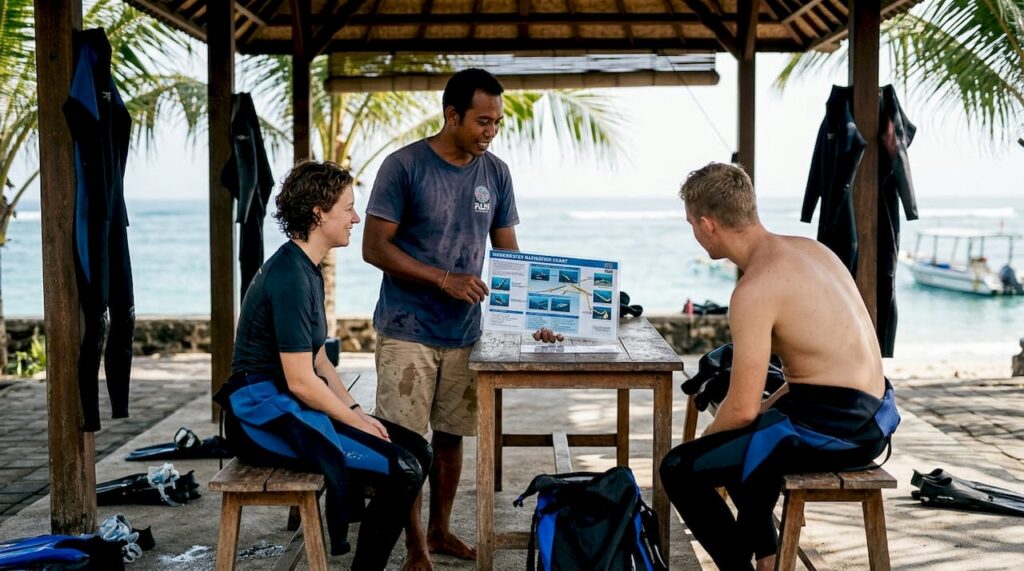
TL;DR:
- Bali offers diverse dive sites that suit various PADI specialties, enhancing safety and experience.
- Popular specialties include Deep Diver, Wreck Diver, Night Diver, and Nitrox, closely tied to Bali’s conditions.
- Completing multiple specialties in a single trip can lead to advanced certifications and greater diving confidence.
Bali is one of those rare places where the underwater world genuinely surprises you at every depth. From the ghost-filled corridors of the USAT Liberty wreck in Tulamben to the sweeping currents of Nusa Penida, every dive site demands a slightly different skill set. With over 25 PADI specialties on offer, choosing the right one can feel overwhelming. But the right specialty does not just add a card to your wallet. It opens up entirely new experiences, builds real confidence underwater, and makes every Bali dive safer and more rewarding. This guide walks you through how to choose, what to expect, and which specialties suit Bali best.
Key Takeaways
| Point | Details |
|---|---|
| Bali’s top specialties | Deep, Wreck, Drift, Night, and Nitrox are most valuable for Bali diving. |
| Prerequisites matter | Check your current level as each PADI specialty has different entry requirements. |
| Combine courses for value | Many Bali operators offer multi-specialty packages, saving time and money. |
| Path to mastery | Earning multiple specialties moves you closer to the elite Master Scuba Diver rating. |
How to choose a PADI specialty in Bali
Before diving into the top specialties, it is essential to understand how to select the right one for your skill level and Bali’s dive sites. Bali is not a one-size-fits-all destination. The conditions vary enormously across the island, and that variety is exactly what makes it so exciting.
Amed, in East Bali, offers calm, sheltered reefs and the famous USAT Liberty wreck, making it ideal for wreck and night diving. Nusa Penida, further south, is known for strong currents and the chance to encounter manta rays and ocean sunfish. Tulamben and Padangbai each have their own character too. Matching your specialty to where you plan to dive makes a real difference.
Here are the key factors to consider when shortlisting your specialty:
- Your current certification level. Most specialties require at least a PADI Open Water certification. Some, like the Advanced Open Water course, are prerequisites for deeper or more technical specialties.
- Your logged dives. Certain specialties require a minimum number of dives. Prerequisites for specialties and dive requirements vary, so check before you book.
- Bali’s conditions. Drift diving is common here, so the Drift Diver specialty is genuinely useful. Wrecks and night diving are equally popular, making those specialties a natural fit.
- Your personal goals. Are you chasing marine life, history, or technical skills? Your answer should guide your choice.
- Safety awareness. If you want a broader foundation, the Rescue Diver course is one of the most valuable certifications any diver can hold, regardless of specialty.
Pro Tip: If you are already enrolled in the Advanced Open Water course, your Adventure Dives can count towards certain specialty certifications. PADI Adventure Dives are structured so that the first dive of many specialties doubles as an Adventure Dive, saving you both time and money on your Bali trip.
Taking a moment to map your interests against Bali’s environments before booking is the smartest move you can make.
Popular PADI specialty courses with Bali appeal
Now that you know how to assess your options, let’s look at some of the most rewarding specialties in Bali. PADI offers over 25 specialties, ranging from underwater photography to search and recovery. For Bali, a handful stand out as particularly well suited to what the island offers.
-
Deep Diver. The Deep Diver specialty takes you down to 40 metres, the recreational limit. You learn to manage nitrogen narcosis, plan deep dives carefully, and use a dive computer effectively. In Bali, this opens up deeper sections of the Liberty wreck and offshore walls that shallower divers simply cannot reach.
-
Wreck Diver. A natural match for Amed. You learn to navigate around and, in some configurations, penetrate wreck structures safely. It is a genuine dive into history, exploring the rusting corridors and marine-encrusted decks of sunken vessels.
-
Night Diver. Bali’s reefs transform after dark. Octopus, crabs, lionfish, and sleeping sea turtles become visible in ways they never are during the day. The Night Diver specialty teaches torch techniques, navigation in low visibility, and buddy communication at night.
-
Drift Diver. Strong currents are a feature, not a flaw, at many Bali sites. This specialty teaches you to read water movement, use a surface marker buoy correctly, and stay relaxed while moving with the flow rather than fighting it.
-
Enriched Air Nitrox. The Enriched Air Nitrox specialty is one of the most popular worldwide. Breathing a higher percentage of oxygen extends your no-decompression limits, meaning more time on the reef. It is especially useful for multi-dive days, which are very common in Bali.
-
Peak Performance Buoyancy. This one is for every diver, regardless of experience. Perfect buoyancy protects the reef, reduces air consumption, and makes every dive more enjoyable. It is the foundation that makes all other specialties easier.
Pro Tip: If you are visiting Bali for a week, combining two or three of these specialties is very achievable. Many divers pair Enriched Air Nitrox with Deep Diver for a powerful combination that suits Bali’s deeper sites perfectly.
Course requirements and commitment for specialties
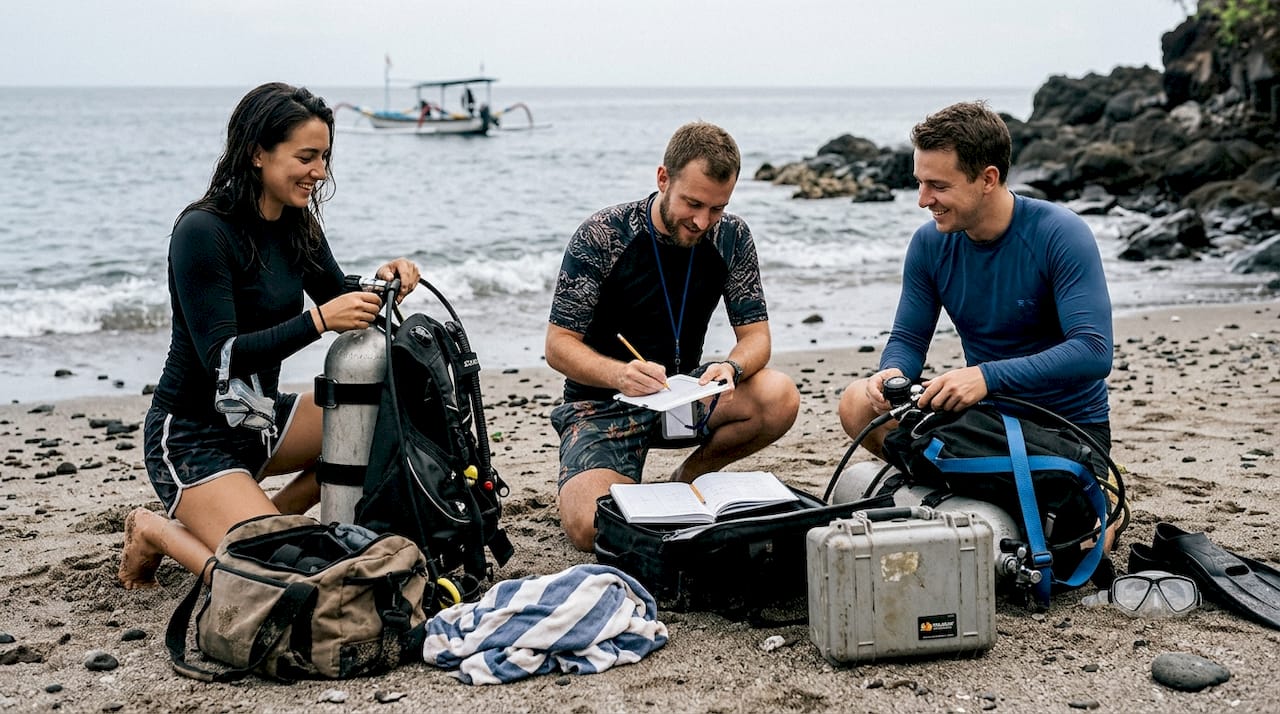
After choosing your specialty, it is useful to know what is actually involved in earning certification. The good news is that most specialties are designed to fit into a holiday schedule without taking over your entire trip.
Specialty courses typically involve 2 to 4 dives per course, with some, like Enriched Air Nitrox, being mostly theory and requiring no open water dives at all. Others, like Deep Diver and Wreck Diver, involve more time in the water with structured skill practice.
Here is a quick reference for the most popular Bali specialties:
| Specialty | Prerequisite | Dives required | Typical duration |
|---|---|---|---|
| Enriched Air Nitrox | Open Water | 0 (theory only) | Half day |
| Deep Diver | Advanced Open Water | 4 | 2 days |
| Wreck Diver | Open Water | 4 | 2 days |
| Night Diver | Open Water | 3 | 1 to 2 days |
| Drift Diver | Open Water | 2 | 1 day |
| Peak Performance Buoyancy | Open Water | 2 | 1 day |
A few things worth noting:
- The Advanced Open Water course is a prerequisite for the Deep Diver specialty, so plan accordingly if you are not yet Advanced certified.
- Adventure Dives information confirms that completing an Adventure Dive in a specialty area counts as the first dive of that specialty course, which is a genuine time-saver.
- Bali dive operators often group specialties together for visiting divers, building a programme that fits your available days and interests without wasted time.
Most divers are surprised by how achievable multiple certifications are within a single Bali trip. With the right planning, you could leave with two or three new specialties and a significantly expanded skill set.
Comparison of PADI specialties for different Bali dive conditions
To help you make a final decision, here is a side-by-side comparison focused on Bali’s most exciting underwater scenarios. Different sites call for different skills, and knowing which specialty matches which situation makes your planning much clearer.
| Specialty | Best Bali scenario | Skill focus | Experience level |
|---|---|---|---|
| Drift Diver | Nusa Penida, Crystal Bay | Current management, SMB use | Intermediate |
| Wreck Diver | USAT Liberty, Tulamben | Navigation, penetration safety | Intermediate |
| Deep Diver | Liberty wreck deep sections, walls | Depth planning, narcosis awareness | Advanced OW |
| Night Diver | Amed house reef, Tulamben | Torch skills, night navigation | Open Water |
| Enriched Air Nitrox | All multi-dive days | Extended bottom time | Open Water |
| Peak Performance Buoyancy | All reef dives | Trim, air control, reef safety | Open Water |
Here is how the top specialties rank for Bali’s most popular dive experiences:
- Drift Diver for Nusa Penida and sites with strong seasonal currents.
- Wreck Diver for the USAT Liberty and other sunken sites. Our wreck diving guide covers what to expect in detail.
- Enriched Air Nitrox for any multi-dive day, anywhere in Bali.
- Deep Diver for walls, offshore pinnacles, and deeper wreck sections.
- Night Diver for Amed’s house reef and the extraordinary nocturnal life of Tulamben.
PADI’s expert advice highlights that the Drift Diver specialty is especially useful in locations with strong currents, while Nitrox helps extend bottom time on deeper dives, both of which are directly relevant to Bali’s most iconic sites.
The honest truth is that no single specialty covers everything Bali offers. The divers who get the most out of this island are the ones who arrive with a combination of skills, not just one.
Why getting multiple specialties is the smartest way to dive Bali
Most divers arrive in Bali with a single specialty in mind and leave wishing they had planned for more. We see this regularly at Bali Dive Cove. A diver completes their Wreck Diver certification, spends two days exploring the Liberty, and then realises they could have added Night Diver or Enriched Air Nitrox with just one extra day of commitment.
There is also a bigger picture worth considering. To earn the PADI Master Scuba Diver rating, you need five specialty certifications and 50 logged dives. That is the highest recreational diving rating PADI offers, and most vacationers are closer to it than they realise. A focused Bali trip could get you three or four specialties in a week, putting Master Scuba Diver within genuine reach.
Beyond the rating itself, combining specialties builds a kind of layered confidence. Drift diving, deep diving, and night diving each teach you something distinct about how you behave underwater under pressure. Together, they make you a far more capable and self-aware diver, ready for sites anywhere in the world. The Divemaster pathway becomes a natural next step for those who catch the bug.
Specialty courses and next steps with Bali Dive Cove
Ready to take the plunge and earn your next specialty? Here’s how Bali Dive Cove can help you get started.
At Bali Dive Cove, we run PADI specialty courses in small groups from our base in Amed, East Bali. Our instructors have over 16 years of diving experience and know these reefs, wrecks, and currents inside out. Whether you want to complete a single specialty or build a full programme across your holiday, we can put together a schedule that works for you. See all dive courses on our website, or explore Bali dive packages that combine multiple specialties for maximum value. If the USAT Liberty is on your list, our Wreck Diver specialty course is the perfect way to experience it properly. Get in touch to find out what is available during your visit.
Frequently asked questions
Can I start a PADI specialty course as a beginner in Bali?
Most specialties require at least an Open Water certification, though some, like Enriched Air Nitrox, have minimal or no dive prerequisites, making them accessible early in your diving journey.
How long does it take to complete a PADI specialty?
Most specialty courses take 1 to 2 days and involve 2 to 4 dives, though Enriched Air Nitrox can often be completed in a single half-day session.
Can I combine multiple specialties during my Bali trip?
Absolutely. Bali operators often group specialties into flexible packages, so completing two or three certifications within a single holiday is very realistic with good planning.
Is a specialty required for the Master Scuba Diver rating?
Yes. Five PADI specialties are required alongside 50 logged dives to qualify for the Master Scuba Diver rating, the highest recreational level PADI offers.
