

TL;DR:
- Bali offers family-friendly dive sites with calm waters, shallow depths, and easy shore entries.
- Budget around $800 to $1,200 USD for a family of four, excluding flights, for a memorable trip.
- Planning less and prioritizing safety and rest leads to more enjoyable and relaxing family diving experiences.
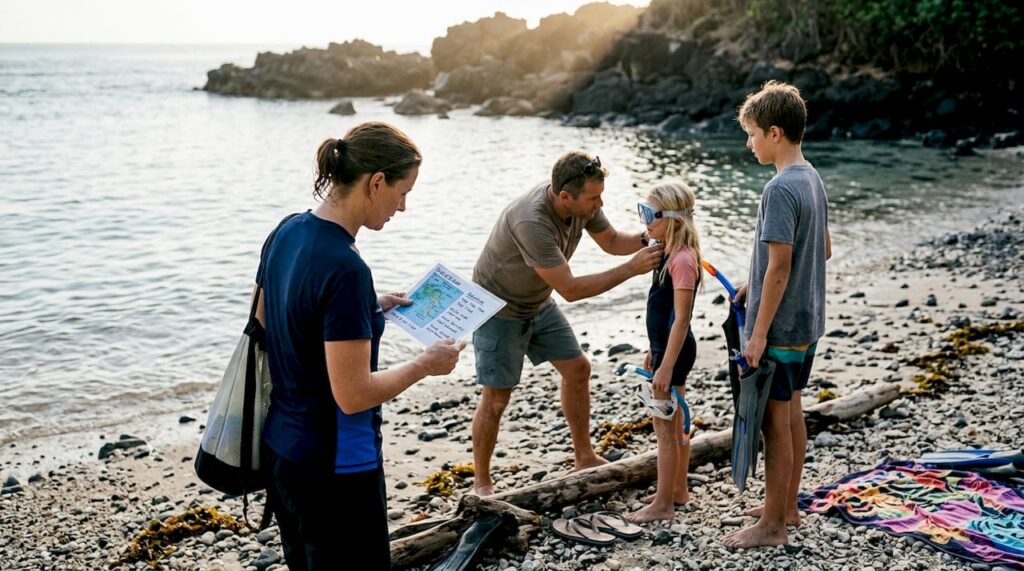
Planning a family dive trip to Bali is genuinely exciting, but it comes with real questions. Will the kids feel safe underwater? Can beginners keep up? Is the whole experience manageable without turning into a logistical nightmare? These are the worries every family carries before booking, and they are completely valid. The good news is that Bali, particularly the calm waters around Amed and Tulamben in East Bali, is one of the most welcoming dive destinations in the world for families. With the right planning, every member of your family, from curious eight-year-olds to first-time adult divers, can have an unforgettable experience beneath the surface.
Key Takeaways
| Point | Details |
|---|---|
| Choose shore dive sites | Tulamben, Amed, and Padang Bai offer safe, family-friendly diving with easy access and shallow waters. |
| Budget smartly | Plan for costs including courses, dives, accommodation, and transport up front to avoid surprises. |
| Travel during dry season | Visit Bali from April to October for calm seas, clear visibility, and safer diving conditions. |
| Prioritise safety | Always book dives with certified instructors and make sure child-specific gear and training are included. |
Choosing the right dive locations for families
Not every dive site in Bali is created equal, especially when children and beginners are involved. Your first and most important decision is choosing locations that prioritise gentle conditions, easy entries, and shallow, colourful reefs. Get this right, and everything else falls into place.
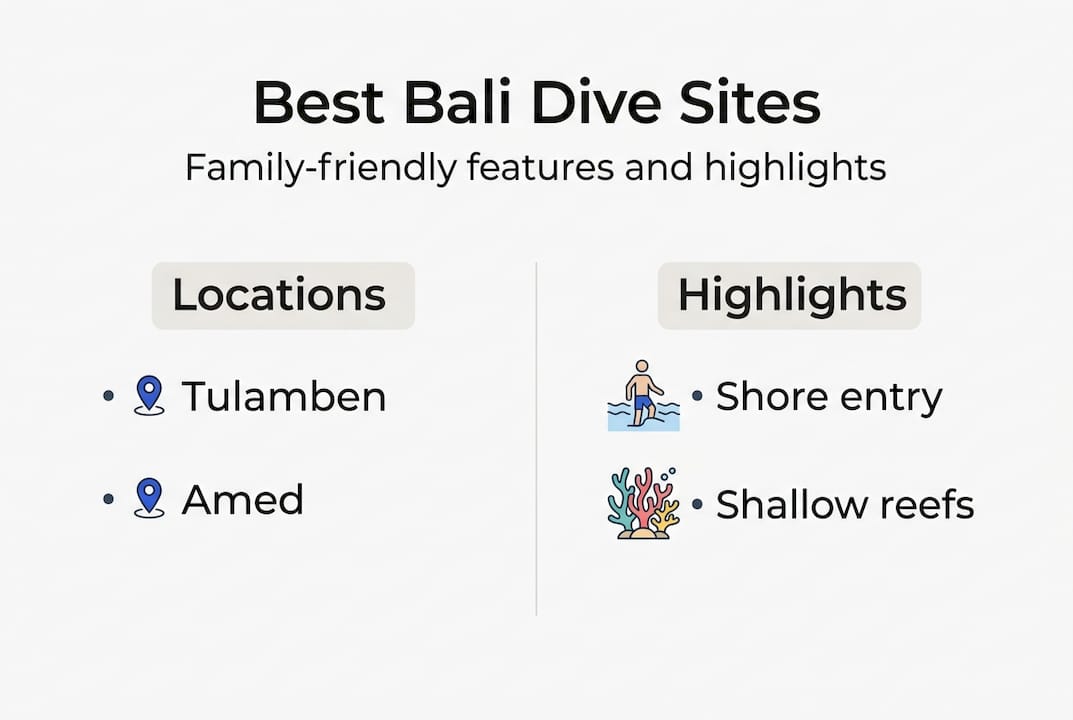
Family-friendly dive locations in Bali include Tulamben, Amed, and Padang Bai, featuring shore entries, shallow depths between 5 and 20 metres, and calm conditions suitable for beginners and children. These three spots consistently deliver safe, rewarding dives without the stress of boat entries or unpredictable currents.
Tulamben is famous for the USAT Liberty wreck, a dive into history that sits just metres from shore. The wreck is encrusted with vibrant corals and teeming with reef fish, making it visually stunning even at very shallow depths. Children who are snorkelling can enjoy the upper sections while certified adults explore deeper.
Amed is a quieter, more relaxed village with several excellent reef sites. Our beginner’s guide to Amed wrecks walks you through what to expect, and the Amed dive sites guide for all levels covers everything from macro diving on sandy slopes to colourful coral gardens. It is an ideal base for families who want variety without travelling far.
Padang Bai offers a slightly different flavour, with blue lagoon bays and muck diving sites that are perfect for spotting nudibranchs and small critters.
Here is a quick comparison to help you choose:
| Location | Entry type | Depth range | Best for |
|---|---|---|---|
| Tulamben | Shore | 5 to 30m | Families, beginners, wreck lovers |
| Amed | Shore | 5 to 25m | All levels, macro diving |
| Padang Bai | Shore and boat | 5 to 20m | Beginners, critter spotting |
| Nusa Penida | Boat | 10 to 40m | Experienced divers only |
One site to avoid with children is Nusa Penida. The currents there are powerful and unpredictable, and even experienced divers find it challenging. It is not suitable for families with young or beginner divers, full stop.
Key things to look for when choosing a family dive location:
- Shore entries to avoid boat anxiety for children
- Shallow maximum depths of 15 to 20 metres for beginners
- Calm, protected bays with minimal current
- Nearby snorkelling for non-diving family members
- Access to a reputable dive tourism guide for local conditions
Pro Tip: Before your first open water dive, ask your dive centre about a pool or confined water session. Even 30 minutes practising breathing and buoyancy in a pool transforms a nervous child into a confident diver.
Budgeting and costs for your Bali family dive trip
Once you have picked a location, the next step is understanding what the trip will cost and how to manage your budget without surprises. Diving in Bali is genuinely affordable compared to many other destinations, but costs add up quickly for a family of four.
Here is a realistic breakdown based on current 2026 pricing:
| Activity | Approximate cost (USD) |
|---|---|
| Discover Scuba Diving (try dive) | $80 to $140 per person |
| PADI Open Water course | $375 to $420 per person |
| Fun dives (certified divers) | $45 to $80 per day |
| Equipment rental | $15 to $30 per day |
| Family resort accommodation | $120+ per night |
These typical dive trip costs reflect the range across reputable Bali dive centres and resorts. A family of four doing Discover Scuba plus three nights’ accommodation should budget roughly $800 to $1,200 USD as a starting point, excluding flights.
Some resorts, particularly those catering to families in Tulamben, offer shuttle services that simplify logistics considerably. Bundling your accommodation with dive packages through a dedicated dive resort guide can also unlock meaningful savings.
Top tips for keeping costs manageable:
- Book dive courses in advance, as last-minute bookings rarely include discounts
- Look for family packages that bundle accommodation, equipment, and guided dives
- Ask whether children under 10 qualify for reduced rates on Discover Scuba sessions
- Check Bali diving tourism tips for seasonal promotions and package deals
- Bring your own reef-safe sunscreen and snorkel gear to avoid daily rental fees
Budgeting carefully in advance means you can focus on the experience once you arrive, rather than stressing about unexpected costs at the dive shop counter.
When and how to plan your Bali dive trip
You have set your budget. Now it is time to outline your trip schedule and make practical preparations. Timing your visit correctly makes an enormous difference to the quality and safety of your family’s diving experience.
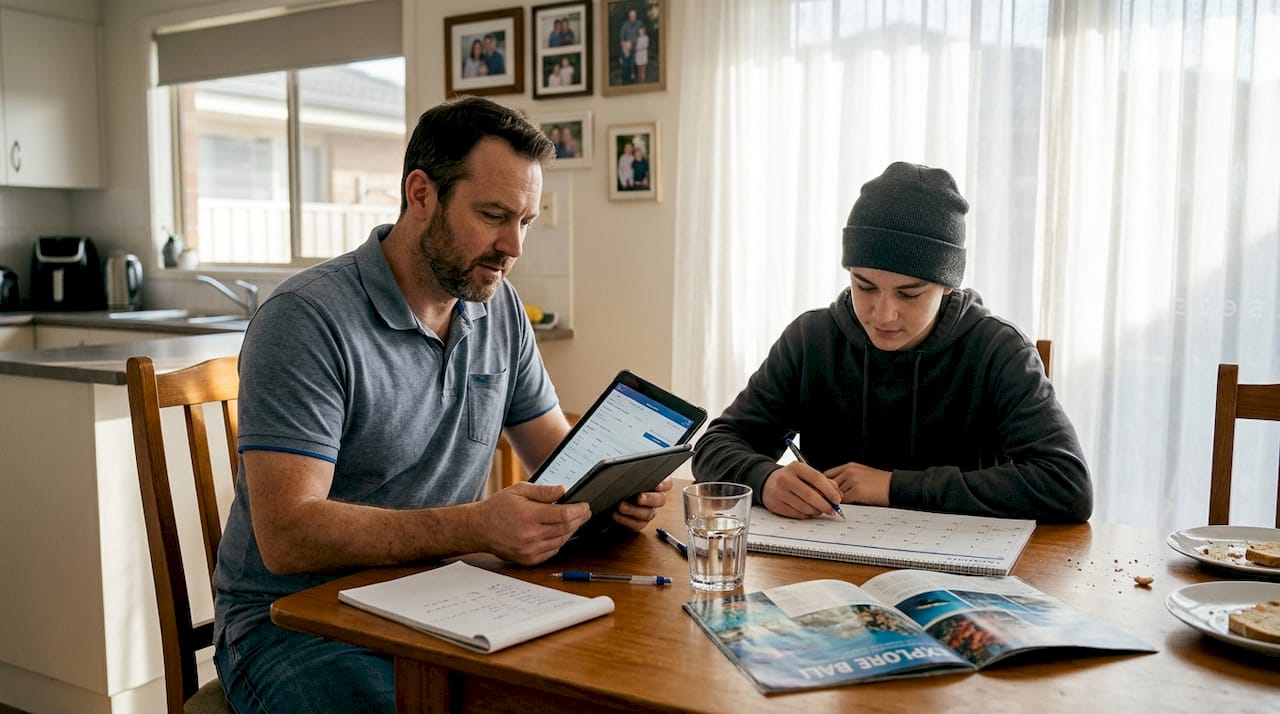
The best time for family diving in Bali is the dry season, running from April to October. During these months, visibility reaches 10 to 30 metres, seas are calm, and water temperatures sit comfortably between 26 and 29 degrees Celsius. Avoid December to March if possible, as rain, rougher currents, and reduced visibility make conditions less suitable for families.
Here is a step-by-step planning sequence to follow:
- Book flights and accommodation at least two to three months in advance, especially during peak season in July and August
- Choose your dive centre and confirm availability for family courses or guided dives
- Arrange airport transfers, noting that the drive from Ngurah Rai Airport to Tulamben or Amed takes approximately three hours by road, so plan your arrival day accordingly
- Build a flexible daily schedule with morning dives and afternoon rest, rather than back-to-back activities
- Register for courses online in advance to complete paperwork and medical forms before arrival
Essential items to pack for your family dive trip:
- Reef-safe sunscreen (required at most Bali dive sites to protect corals)
- Reusable hydration bottles for each family member
- Children’s swim gear and rash vests for sun protection
- Lightweight, quick-dry clothing for between dives
- Any personal medication, including seasickness tablets if boat dives are planned
“The best family dive trips are built around the children’s energy levels, not the dive schedule. Plan for rest, not just diving.”
Pro Tip: For children under 12, opt for half-day dive programmes or resort-based confined water sessions rather than full-day boat trips. Shorter sessions keep energy levels high and enthusiasm even higher. You can read more about how our Bali dive community supports families through personalised planning.
Diving safety, training, and equipment for families
With your travel plans locked in, it is critical to focus on safety and skill-building, especially for younger divers. Safety in family diving is not just about rules. It is about creating an environment where children feel confident and parents feel reassured.
The foundation of safe family diving is choosing a PADI-certified dive centre that maintains small group ratios, ideally one instructor to four divers, uses child-sized gear, conducts medical checks, and enforces buoyancy training and no-touch marine life rules. These are non-negotiable standards, not optional extras.
Key safety practices to confirm before booking:
- Small group ratios of 1:4 or better for children’s sessions
- Child-sized wetsuits, masks, and fins available at the dive centre
- Pre-dive medical screening for all family members, including children
- Confined water or pool sessions before any open water dive
- Clear briefings on the no-touch rule to protect both children and marine life
- Avoidance of sites with strong currents, particularly Nusa Penida, for beginner family groups
Buoyancy control deserves special attention. Children often struggle with it initially, and a good instructor will spend extra time in shallow water helping them find their balance before moving to the reef. This patience is what separates a great family dive experience from a stressful one.
“Good diving is slow diving. There is no rush underwater, and the best instructors know that.”
For families where older teens or adults want to progress beyond a try-dive, a full PADI Open Water course is the natural next step. Those wanting to go deeper can explore our PADI Deep Diver Course once they have their basic certification. For safety tips specific to Bali conditions, our Bali dive safety guide covers everything from current awareness to marine life etiquette.
What most family dive guides overlook: practical lessons and honest advice
Most guides will tell you to book early, choose calm sites, and hire certified instructors. All true. But after years of guiding families through their first dives in Amed, we have noticed that the biggest pain point is almost never the diving itself. It is the itinerary.
Families consistently overpack their schedules. Two dives in the morning, a temple visit in the afternoon, and a sunset boat trip in the evening sounds wonderful on paper. In reality, it leaves children exhausted and parents frazzled by day two. Full-day dive tours are genuinely tiring for young children, and the best trips we have seen prioritise half-day or resort-based sessions that leave room for rest, play, and spontaneous moments.
Hydration and sun protection are also chronically underrated. Bali’s tropical sun is intense, and children dehydrate faster than adults. Reef-safe sunscreen applied before every session, combined with regular water breaks, makes a measurable difference to how everyone feels at the end of the day.
Our honest advice: plan less, enjoy more. A relaxed family that does two brilliant dives and spends the afternoon in the pool will remember the trip far more fondly than one that ticked every box but arrived home exhausted. Our personalised holiday tips reflect exactly this philosophy.
Turn your family plan into reality with Bali Dive Cove
If you are ready to put your plan into action, Bali Dive Cove is here to support your family every step of the way.
Based in Amed, East Bali, we have been welcoming families since 2018, offering small-group guided dives and family-friendly dive courses led by instructors with over 16 years of experience. Whether your children are trying scuba for the first time or you are working towards your PADI Open Water certification together, we tailor every session to your family’s pace and comfort. Explore our dive packages in Bali and get in touch to discuss custom itineraries, shuttle bookings, and kid-friendly programmes designed around your schedule.
Frequently asked questions
Which Bali dive sites are safest for children?
Tulamben, Amed, and Padang Bai are the safest options for children, thanks to shore entries, shallow depths between 5 and 20 metres, and reliably calm conditions. Nusa Penida should be avoided due to strong, unpredictable currents.
How much should families expect to spend on a Bali dive trip?
Budget for Discover Scuba at $80 to $140 USD per person, PADI Open Water courses at $375 to $420 USD, fun dives at $45 to $80 USD per day, and accommodation from $120 per night. A family of four should plan for at least $800 to $1,200 USD before flights.
What is the best time for a family dive trip in Bali?
April to October is the ideal window, with 10 to 30 metres of visibility, calm seas, and water temperatures between 26 and 29 degrees Celsius. The December to March wet season brings rougher conditions that are less suitable for families.
How can families ensure safety for children while diving?
Book with a PADI-certified dive centre that maintains small group ratios of 1:4, provides child-sized equipment, conducts pre-dive medical checks, and starts all beginners in confined water before open water dives.
