

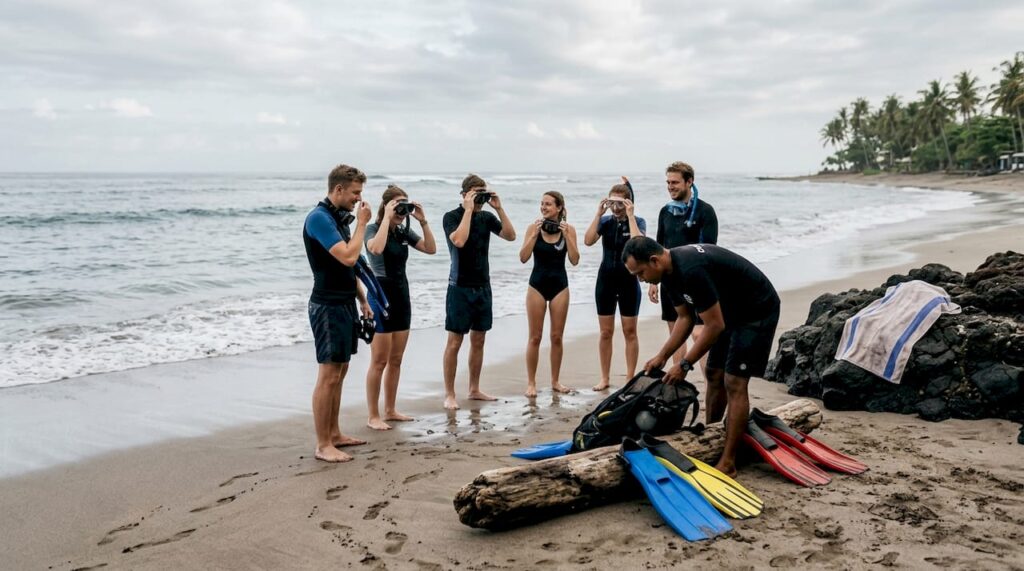
Choosing your first dive site in Bali can feel overwhelming. With dozens of locations promising calm waters and easy access, how do you know which truly suits a nervous beginner? Many sites look perfect on paper but hide strong currents, tricky entries or unpredictable conditions that can turn your first underwater experience into a stressful ordeal. This guide reveals the criteria that matter, compares Bali’s safest beginner sites, and helps you match your comfort level with the perfect location for a confident, enjoyable first dive.
Key Takeaways
| Point | Details |
|---|---|
| East Bali is best | Padangbai, Tulamben and Amed provide safe, easy access for new divers. |
| Blue Lagoon tops safety | Padangbai’s Blue Lagoon is the calmest, most beginner-friendly option in Bali. |
| Try a wreck dive early | Tulamben Liberty Wreck is accessible even to first-timers with no experience. |
| Research your centre | Pick a PADI 5-star provider for proper guidance and instructor patience. |
How to choose a beginner-friendly dive site
Not all dive sites are created equal, especially when you’re taking your first breaths underwater. A genuinely beginner-friendly location combines several key factors: calm, protected waters with minimal current, easy shore or beach entry that doesn’t require scrambling over rocks, shallow depth ranges starting from 5 to 10 metres, and visibility that lets you see your instructor clearly. These elements work together to create a low-stress environment where you can focus on learning skills rather than fighting conditions.
East Bali stands out as the premier region for novice divers. Prioritise east Bali locations like Tulamben, Amed and Padangbai for their shore access and naturally protected conditions. The coastline here faces away from prevailing swells, creating calmer bays and gentler underwater terrain. Meanwhile, popular sites like Nusa Penida often feature strong currents, deeper drop-offs and boat-only access that can overwhelm first-timers, despite their stunning marine life.
When researching dive centres, look beyond glossy websites. Read recent reviews that specifically mention instructor patience, group sizes and how staff handle nervous divers. A beginner-friendly Bali dive choice depends as much on the team guiding you as the site itself.
Pro Tip: Contact dive centres directly and ask about their maximum student-to-instructor ratio for beginner courses. Ratios of 4:1 or lower ensure you receive adequate personal attention during your first dives.
Padangbai Blue Lagoon: Classic shallow training ground
Blue Lagoon in Padangbai has earned its reputation as Bali’s textbook beginner site. This sheltered bay features calm waters with a sandy bottom ranging from 5 to 10 metres, creating an ideal classroom for Discover Scuba Diving and PADI Open Water courses. The gentle slope and consistent conditions mean instructors can focus entirely on teaching skills rather than managing environmental challenges.
The bay’s protection from wind and waves creates gin-clear visibility most days, letting you spot marine life easily. Despite its training-ground status, Blue Lagoon surprises many beginners with its biodiversity. You’ll likely encounter green turtles gliding past, blue-spotted rays resting on the sand, camouflaged scorpionfish hiding among coral, and the occasional octopus investigating your bubbles.
Instructors consistently choose Blue Lagoon for first lessons because the sandy bottom provides a forgiving surface for practising skills like mask clearing and regulator recovery. If you accidentally kick up sand or need to kneel briefly, the environment accommodates learning without damaging fragile coral. The shallow depth also means longer bottom times, giving nervous divers extra minutes to build confidence before ascending.
“Blue Lagoon offers the perfect combination of safety and engagement for first-time divers. The calm conditions let students focus on skills while the marine life keeps them excited about what they’re learning.” — PADI Instructor, Padangbai
For your east Bali adventure, Blue Lagoon serves as an excellent starting point before progressing to slightly more challenging sites nearby.
Tulamben USAT Liberty Wreck: A famous, accessible shipwreck
Many beginners dream of exploring a shipwreck, and Tulamben’s Liberty Wreck makes that dream accessible even on your first dive. This World War II cargo ship rests just metres from shore, with the shallowest sections starting at 5 metres and the deeper hull reaching 30 metres. The shore entry eliminates boat anxiety, and the wreck’s gradual depth profile lets you explore at your comfort level.
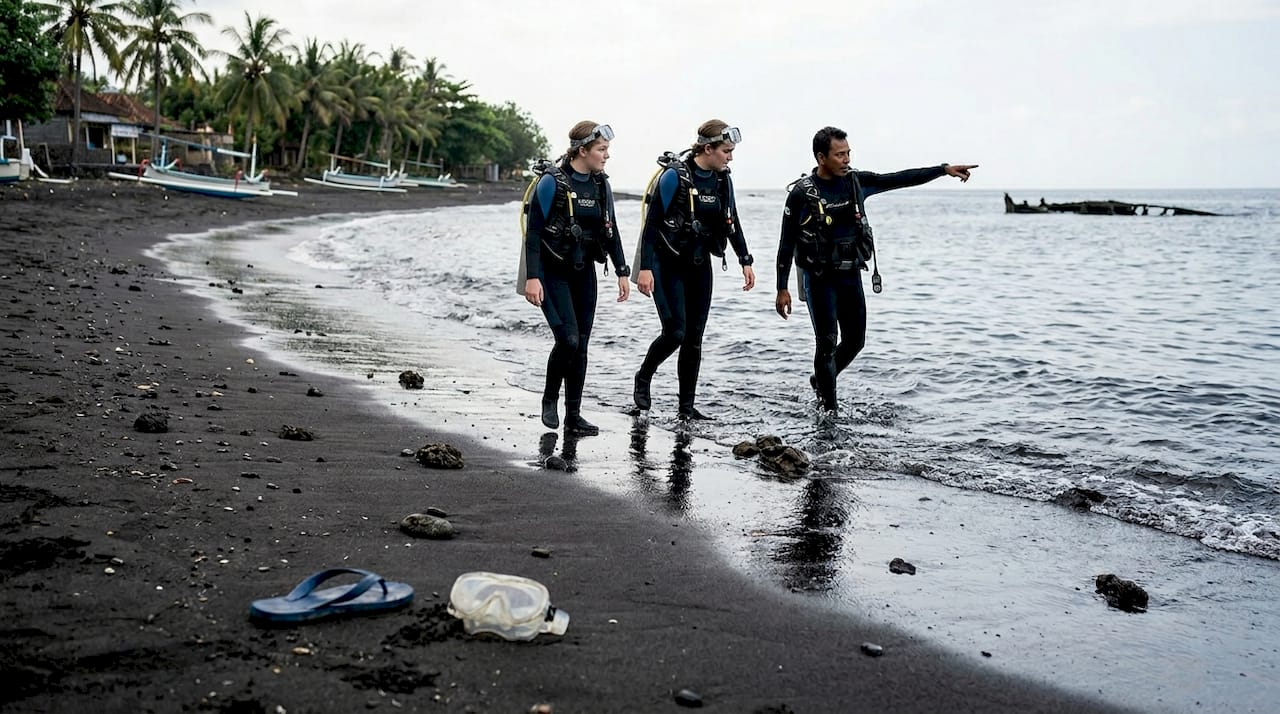
What makes Liberty unique for beginners is its forgiving nature. The wreck sits on a gentle slope of black volcanic sand, so you can approach it slowly, retreat if needed, and never feel trapped or overwhelmed. Calm conditions prevail most mornings, with minimal current and excellent visibility. The wreck itself has transformed into an artificial reef, encrusted with colourful corals and swarming with tropical fish, making it visually spectacular without requiring advanced skills to appreciate.
After your Liberty dive, many operators include a second dive at nearby Coral Garden, a shallow reef bursting with colour and perfect for practising buoyancy control. This combination gives beginners two contrasting experiences in one morning.
Pro Tip: Book your Liberty Wreck dive for early morning, ideally between 7 and 9 AM. Conditions are calmest before midday winds pick up, and you’ll avoid the crowds that arrive later. Early starts also mean better visibility and more relaxed marine life encounters.
- Arrive at the site 30 minutes before your scheduled dive to complete paperwork and gear fitting without rushing
- Request a thorough briefing that includes hand signals, the dive plan and what to do if you feel uncomfortable
- Ask your instructor to stay in the shallower sections (5 to 15 metres) if you’re nervous about depth
- Take your time during the shore entry, moving slowly over the rocky beach to avoid slipping
For detailed information about this iconic site, visit our Liberty Wreck page before your trip.
Amed: Jemeluk Bay and Pyramids for relaxed exploration
The Amed coastline presents another haven for beginner divers, with multiple sites offering calm bays, easy shore entries and gentle underwater slopes. Jemeluk Bay and the Amed Pyramids stand out as favourites for training and first guided dives. These shore-access sites provide ideal conditions for Discover Scuba Diving experiences and nervous guests who want to build confidence gradually.
Jemeluk Bay features a protected cove with a sandy entry leading to a coral wall that drops gently from 3 to 18 metres. The wall’s gradual slope means you control your depth easily, and the bay’s shelter from currents creates a peaceful environment for practising skills. The Pyramids, a series of artificial reef structures, sit in similarly calm waters and attract dense schools of fish, making them excellent for underwater photography even with basic cameras.
What sets Amed apart is its macro life. The volcanic sand and coral rubble host an incredible diversity of tiny creatures. You’ll spot colourful nudibranchs crawling across rocks, ornate ghost pipefish hiding in soft corals, and if you’re lucky, the bizarre yet fascinating frogfish camouflaged against the reef. This abundance of small marine life means even shallow dives at 5 to 8 metres remain engaging and rewarding.
Instructors recommend Amed for new divers who want a more intimate experience away from crowds. The sites rarely feel busy, and the local dive community maintains a relaxed, unhurried approach that suits nervous beginners perfectly. To explore more about the region, check out our guide to navigate Amed dive sites or learn about Jemeluk Reef specifically.
Pro Tip: Choose Jemeluk Bay if you prefer a natural reef environment with varied terrain, or pick the Pyramids if you want guaranteed fish action and easier navigation. Both offer equally calm conditions, so your choice depends on what excites you more about diving.
Comparison of Bali’s best beginner dive sites
Seeing these sites side by side helps you understand which matches your priorities and comfort level. The table below compares key factors that matter most to first-time divers.
| Site | Entry Type | Depth Range | Typical Conditions | Marine Life Highlights | Best For |
|---|---|---|---|---|---|
| Padangbai Blue Lagoon | Shore (sandy beach) | 5-10m | Very calm, minimal current | Turtles, rays, octopus | Ultra-nervous first-timers, training |
| Tulamben Liberty Wreck | Shore (rocky beach) | 5-30m | Calm mornings, slight afternoon current | Wreck exploration, coral-encrusted structure | Adventure-seekers, wreck enthusiasts |
| Amed Jemeluk Bay | Shore (sandy entry) | 3-18m | Calm, protected bay | Macro life, nudibranchs, coral wall | Photographers, relaxed exploration |
| Amed Pyramids | Shore (easy access) | 5-15m | Very calm, no current | Dense fish schools, artificial reef | Confident beginners, fish lovers |
When matching your goals with the right site, consider these scenarios:
- If you’re extremely nervous about your first dive: Blue Lagoon’s sandy bottom and ultra-calm conditions provide the most forgiving environment
- If you want an exciting story to tell: Liberty Wreck delivers the wow factor of exploring a famous shipwreck on your first dive
- If you love photography or small creatures: Amed’s macro-rich sites offer endless subjects even in shallow water
- If you want to avoid crowds: Amed Pyramids and Jemeluk Bay see fewer divers than the more famous Tulamben and Padangbai locations
For more detailed dive site safety comparisons, explore our comprehensive site selection guide.
Situational tips: Choosing the right site for you
Beyond comparing sites on paper, your personal preferences and circumstances should guide your final choice. Here’s how to match your situation with the ideal location.
-
For nervous swimmers or those with water anxiety: Choose Blue Lagoon or Amed Jemeluk Bay. Both offer the calmest conditions and shallowest starting depths. Request a private or semi-private lesson rather than joining a larger group, giving you more instructor attention and the freedom to progress at your own pace.
-
For younger divers or families: Sites with easy shore access like the Amed Pyramids work best. The simple entry and exit reduce fatigue, and the abundant fish life keeps younger divers engaged. Avoid boat dives initially, as the added complexity of boat procedures can overwhelm children.
-
For underwater photography enthusiasts: Amed’s macro-rich sites provide the best subjects for beginners learning camera skills. The calm conditions mean you can focus on composition rather than fighting current, and the shallow depths maximise your bottom time for practising shots.
-
For those seeking adventure: Liberty Wreck offers the most dramatic scenery while remaining accessible. The wreck’s size and history create a memorable first dive that feels like a genuine expedition rather than a training exercise.
Remember that instructor quality and personal attention often matter more than site differences. A patient, experienced instructor can make even a slightly more challenging site feel comfortable, while a rushed or inattentive guide can make the calmest location stressful. Always choose PADI 5-star centres for high safety standards, small groups and experienced instructors who prioritise your comfort.
Before booking, ask these questions:
- What is your maximum student-to-instructor ratio for beginner courses?
- How do you handle divers who feel uncomfortable or want to end the dive early?
- What time of day do you typically dive this site, and why?
- Can I meet my instructor before the dive to discuss concerns?
- What happens if weather conditions make the planned site unsuitable?
These questions reveal how seriously a dive centre takes beginner safety and comfort. Centres that welcome detailed questions and provide thorough answers demonstrate the professionalism you want guiding your first underwater experience.
For comprehensive training options, explore our learn and stay packages that combine accommodation with PADI courses.
Plan your Bali dive adventure with certified experts
You’ve learned what makes a site beginner-friendly, explored Bali’s top options, and discovered how to match your comfort level with the perfect location. Now it’s time to transform that knowledge into an unforgettable underwater experience.
Booking through a trusted PADI 5-star centre eliminates the guesswork and anxiety from planning your first dive. You’ll receive expert guidance on site selection based on current conditions, your experience level and personal preferences. Whether you’re ready for a full Open Water certification, want to try diving with a Discover Scuba experience, or prefer a guided dive at your own pace, experienced instructors tailor the experience to your needs.
Our family-owned dive resort in Amed has welcomed hundreds of first-time divers since 2018, with over 16 years of instructor experience and intimate knowledge of east Bali’s reefs and conditions. We keep groups small, communication clear, and dives unhurried, so you can focus on enjoying your first breaths underwater rather than feeling rushed through a checklist. From your initial questions to your final ascent, we’re with you every step of the way.
Explore our range of PADI beginner courses, flexible dive packages for various experience levels, and detailed information about all Bali dive sites we visit. Ready to start your diving journey? Get in touch today and let’s plan your perfect Bali dive adventure.
Frequently asked questions
Which Bali beginner dive site is safest for nervous first-timers?
Padangbai Blue Lagoon has calm, shallow waters perfect for beginners, with a sandy bottom, minimal current and small class sizes that create the most forgiving environment for nervous new divers.
Do I need a qualification to dive at Tulamben Liberty Wreck?
No, the Liberty Wreck is suitable for beginners with guided Discover Scuba Diving experiences, thanks to its shore entry and starting depth at just 5 metres.
Is Amed or Padangbai better for photography in shallow water?
Amed sites are known for macro life like nudibranchs in shallow, calm bays, making them exceptional for underwater photography with abundant small subjects and stable conditions.
How do I know a dive centre is trustworthy for beginners?
Always pick PADI 5-star centres with good reviews on instructor patience, small student ratios, clear safety protocols and transparent communication about conditions and procedures.
