


Many divers arrive in Bali assuming every dive site offers calm, clear water perfect for beginners. The reality? Currents, visibility, temperature, and terrain vary dramatically across the island, making some sites challenging even for experienced divers. Understanding these dive conditions is essential for choosing sites that match your skill level and ensuring every underwater adventure stays safe and enjoyable.
Key Takeaways
| Point | Details |
|---|---|
| Four main factors | Evaluate currents, visibility, temperature, and location when selecting dive sites in Bali. |
| Skill matching matters | Calm sites like Amed suit beginners; strong current sites like Nusa Penida require advanced certification. |
| Seasonal variation | Dry season offers 25-30m visibility while wet season drops to 10-15m, affecting navigation safety. |
| Local guidance essential | Always dive with experienced guides who know current patterns and site-specific hazards. |
How to Choose Dive Conditions: Key Selection Criteria
Current strength determines whether a dive feels like a peaceful float or a demanding workout. Currents in Bali dive sites range from calm to strong, with beginner-friendly sites maintaining minimal current under 1 knot. Stronger currents can push you off course, make ascents difficult, and increase air consumption rapidly.
Visibility directly impacts your navigation ability and comfort underwater. Clear water lets you spot your buddy easily and enjoy marine life from a distance. Poor visibility creates disorientation, forces closer proximity to reefs, and demands sharper navigation skills. Think of it as the difference between driving on a sunny day versus in thick fog.
Water temperature influences wetsuit choice and how long you can comfortably stay down. Bali’s tropical waters remain warm year-round, but even a few degrees affect thermal comfort. A 3mm wetsuit works perfectly in 29°C water but leaves you chilled during extended dives in 26°C conditions.
Depth and terrain complexity add physical and mental demands. Shallow reefs between 5-12 meters give you plenty of bottom time and easy safety stops. Deeper sites push your air supply limits and require careful dive planning. Vertical walls, caves, and strong thermoclines challenge even certified divers.
Marine life density affects both safety and visual reward. Schools of fish create magical moments but can reduce visibility. Larger animals like manta rays demand respectful distance. Your preparation workflow for beginners should account for the specific wildlife you might encounter.
Pro tip: Check current predictions and recent dive reports before every dive. Conditions change daily based on tides, seasons, and weather patterns that even experienced divers can’t predict weeks in advance.
Common Types of Dive Conditions in Bali
Calm, clear conditions dominate beginner-friendly zones. These sites feature gentle currents under 1 knot, visibility exceeding 15 meters, and shallow depths that let you stay down for 45-60 minutes. You can focus on buoyancy control and enjoying the reef without fighting environmental challenges.
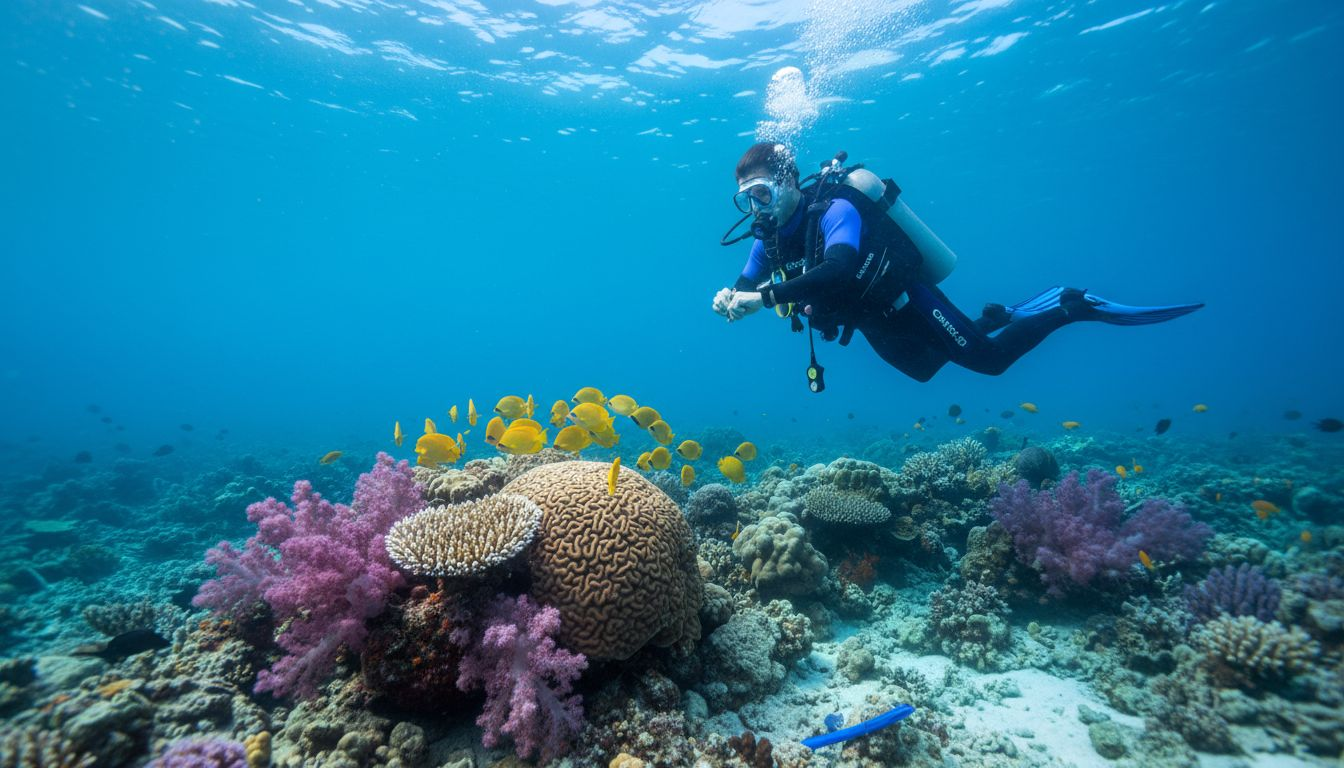
Drift diving conditions characterize advanced sites. Drift dives near Nusa Penida involve strong currents and require advanced skills, generally not recommended for beginners. These currents can exceed 4 knots during peak flow, essentially turning your dive into an underwater flight where precise buoyancy and streamlined positioning become critical.
Visibility varies seasonally from crystal clear to murky green. During dry season months, 25-30 meter visibility lets you see entire reef systems at once. Wet season plankton blooms reduce this to 10-15 meters, requiring closer attention to your dive computer and buddy.
Water temperatures in Bali range from 26°C to 29°C, with warmer temperatures in the dry season supporting more comfortable dives without thick wetsuits. This warmth means you can dive comfortably in a 3mm wetsuit year-round, though some divers prefer 5mm suits for deeper or longer dives.
Marine life density creates spectacular viewing but demands awareness. Massive schools of jacks or batfish can surround you completely. Manta rays glide past at cleaning stations. Sunfish appear unexpectedly during the right season. Each encounter requires calm movements and respectful distance to avoid disturbing these creatures or their habitat.
Exploring different types of scuba diving in Bali reveals how these conditions combine to create unique underwater experiences suited to various skill levels and interests.
Pro tip: Start your Bali diving journey with calm-condition sites even if you’re certified for more challenging environments. Local dive patterns and marine life behavior differ from other regions, and a gentle introduction builds confidence.
Dive Conditions by Location: East Bali vs Nusa Penida vs Menjangan Island
East Bali sites around Amed and Tulamben offer the most accessible diving conditions. Amed has shallow reefs with gentle currents and good visibility, ideal for beginners. Depths range from 5-30 meters, letting you choose easier shallow dives or slightly more challenging deeper walls. The USAT Liberty wreck in Tulamben sits in calm water just 30 meters from shore, making it perfect for newer divers wanting wreck experience without strong currents.
Nusa Penida presents the island’s most challenging conditions. Strong current drift dives suit only advanced divers with solid buoyancy control and current management skills. Sites like Crystal Bay and Manta Point can shift from calm to ripping current within minutes. Depths frequently exceed 25 meters, and down currents occasionally develop along walls.
Menjangan Island provides protected northwest Bali diving. This marine park offers walls and gentle slopes in consistently calm conditions. Visibility often reaches 30 meters, and currents rarely exceed mild drift speeds. The protected status means abundant fish life without the intense currents found elsewhere.
| Location | Current Strength | Typical Depth | Best For |
|---|---|---|---|
| East Bali (Amed) | Minimal to mild | 5-20m | Beginners, training dives |
| Tulamben | Minimal | 5-30m | Wreck diving, all levels |
| Nusa Penida | Strong to very strong | 15-40m | Advanced drift diving |
| Menjangan Island | Minimal to mild | 5-30m | Beginners, walls |
Seasonal changes affect each location differently. East Bali maintains relatively stable conditions year-round. Nusa Penida sees its strongest currents during the dry season when upwellings bring cooler water and big pelagic animals. Menjangan stays consistently calm but experiences reduced visibility during the wet season.
Exploring the best dive sites in Bali helps you understand how geography and underwater topography combine to create these distinct diving environments.
Visibility and Water Temperature: Impact on Diver Comfort and Safety
Visibility determines how easily you navigate and how much you see. Best dive season visibility differences show dry season averages 25-30m while wet season drops to 10-15m, impacting comfort and safety. Clear water lets you spot your exit point from 20 meters away. Poor visibility means you might not see your boat until you surface directly beneath it.
Reduced visibility demands enhanced navigation skills. You need to check your compass more frequently, stay closer to your buddy, and pay sharper attention to natural navigation markers like reef formations and sand channels. Beginners find low visibility stressful because spatial awareness becomes harder to maintain.
Water temperature affects your thermal comfort and dive duration. Even in Bali’s warm tropical water, extended dives create gradual heat loss. A 60-minute dive in 26°C water feels noticeably cooler than the same dive in 29°C conditions, especially when you factor in depth and reduced sunlight penetration.
Wetsuit choice balances warmth against mobility. A 3mm suit provides enough insulation for most Bali diving while maintaining flexibility for easy movement. Some divers prefer 5mm suits for deeper dives or longer bottom times. Consider a 3mm shortsuit for shallow afternoon dives when water reaches peak warmth.
Dry season from April through October brings optimal visibility and slightly warmer water. Wet season from November through March sees plankton blooms that reduce clarity but attract manta rays and whale sharks. Your preparation workflow for visibility and temperature should account for these seasonal patterns when planning your dive trip.
Safety and Practical Considerations for Each Dive Condition Type
Selecting appropriate sites for your skill level forms the foundation of dive safety. Beginners should focus exclusively on sites with minimal current, good visibility, and shallow maximum depths. Don’t let ego push you toward advanced sites before you’re ready. Building experience gradually keeps diving fun instead of frightening.
Calm water safety checklist:
- Verify maximum depth stays within your certification limits
- Confirm visibility reports show at least 10 meters
- Check that current predictions indicate minimal flow
- Ensure easy entry and exit points from shore or boat
- Dive with a guide familiar with the specific site layout
Gaining drift diving skills requires specific training before attempting current-heavy sites. A drift diving specialty course teaches you proper body positioning, how to use reef hooks responsibly, and emergency procedures for strong down currents. These skills become essential safety tools at sites like Nusa Penida where currents can suddenly intensify.
Adapting dive plans to visibility forecasts prevents navigation problems. Plan shorter, simpler routes when visibility drops below 15 meters. Stay closer to your buddy, use a dive light for better color and signaling, and establish clear hand signals before descending. Consider postponing challenging navigation dives until visibility improves.
Wearing appropriate thermal protection extends your dive time and prevents hypothermia. Even tropical water can chill you during repeated dives or extended bottom times. Feeling cold increases air consumption, reduces focus, and makes emergencies harder to manage. Choose your wetsuit thickness based on your personal cold tolerance, not just water temperature numbers.
Respecting marine life and local guidelines protects both you and the reef ecosystem. Maintain neutral buoyancy to avoid damaging coral. Keep safe distances from large animals. Never chase or corner marine creatures for photos. Choose sites with minimal current for beginners; drift dives require skills and training; always dive with certified guides familiar with local conditions.
Pro tip: Complete a buoyancy control refresher before tackling any new dive environment. Even certified divers benefit from practicing basic skills in calm conditions before progressing to more challenging sites.
Summary Comparison of Dive Conditions and Site Recommendations
Comparing dive conditions across Bali’s regions helps match your skills with suitable locations. The table below consolidates current strength, depth ranges, visibility patterns, and temperature variations to guide your site selection.
| Site Category | Current | Depth Range | Visibility | Water Temp | Suitable For |
|---|---|---|---|---|---|
| Amed reefs | 0-1 knot | 5-20m | 15-30m | 27-29°C | Open Water, beginners |
| Tulamben wreck | 0-1 knot | 5-30m | 15-25m | 26-28°C | All levels, training |
| Nusa Penida drift | 2-5 knots | 15-40m | 15-30m | 22-27°C | Advanced only |
| Menjangan walls | 0-2 knots | 5-30m | 20-35m | 27-29°C | All levels |
Seasonal timing significantly impacts your diving experience. Dry season from April through October delivers the most consistent conditions with excellent visibility, calmer seas, and slightly warmer water. Wet season visibility drops but brings unique pelagic encounters for experienced divers willing to work with reduced clarity.
Beginner divers should prioritize East Bali and Menjangan Island regardless of season. These locations maintain diveable conditions year-round with minimal current risk. Intermediate divers can explore all regions during dry season but should avoid Nusa Penida during peak current months without proper drift diving training.
Safety reminders apply universally across all Bali dive sites. Never exceed your certification limits. Always dive with a buddy and maintain visual contact. Use a dive computer and surface marker buoy. Book with reputable operators who provide detailed site briefings and experienced guides. Review Bali dive site recommendations to understand specific hazards and highlights before your trip.
Situational Picks: Best Dive Conditions for Your Bali Diving Goals
Absolute beginners need calm, shallow sites with easy navigation. Amed’s Japanese Shipwreck sits in 5-12 meters with almost no current, perfect for first ocean dives after pool training. The Pyramids at Amed offer similar conditions with added structure for fish life. Menjangan Island’s Eel Garden provides protected wall diving where you can practice buoyancy control without current stress.
Intermediate divers ready for wreck exploration should head to Tulamben. The USAT Liberty wreck offers multiple depth zones from 5-30 meters, letting you progress gradually. Mild currents occasionally develop but rarely exceed comfortable levels. The wreck’s proximity to shore eliminates boat logistics and allows multiple dives per day.
Advanced certified divers seeking big animal encounters will find Nusa Penida irresistible. Manta Point and Crystal Bay deliver manta rays, mola mola (sunfish), and schools of pelagic fish, but only for those comfortable managing strong currents and deeper depths. Don’t attempt these sites without Advanced Open Water certification and demonstrable drift diving competence.
Aligning site choice with your certification matters more than ego. An Open Water diver can safely explore 80% of Bali’s dive sites by focusing on calm-condition locations. Advanced certification opens Nusa Penida and deep wall diving. Specialty certifications like drift diving, deep diving, and wreck diving expand your options further while maintaining safety margins.
Timing your dives with seasonal conditions maximizes enjoyment and safety. Book April through October for the most beginner-friendly conditions. Schedule August through October if you want mola mola encounters at Nusa Penida. Plan wet season trips only if you’re comfortable with reduced visibility and understand that some sites may close due to rough surface conditions.
Explore the best dive sites for your goals to match your current skills with appropriate underwater adventures that challenge without overwhelming you.
Explore Bali Dive Cove for Your Ideal Dive Experience
Now that you understand Bali’s diverse dive conditions, it’s time to put that knowledge into practice with experienced local guides. Bali Dive Cove specializes in matching divers with sites suited to their skill level and interests. Our small group approach means personalized attention whether you’re taking your first ocean breaths or progressing toward advanced certification.
Our instructors know Amed’s reefs intimately after 16 years of local diving. We’ll guide you to calm morning sites when you’re building confidence, then progress to slightly more challenging locations as your skills develop. Explore Bali dive sites at your own pace with guides who prioritize safety and enjoyment over rushing through a checklist. Ready to advance your diving skills or start your diving journey? We’re here to help every step of the way.
Frequently Asked Questions
What are the safest dive conditions for beginners in Bali?
Sites with calm currents under 1 knot, shallow depths between 5-12 meters, and visibility exceeding 15 meters provide the safest introduction to Bali diving. Amed’s coral gardens and Menjangan Island’s protected reefs exemplify these conditions perfectly. Always dive with a certified guide who knows current site conditions and can adapt the dive plan if conditions change unexpectedly. Review safe beginner dive sites before booking your first Bali diving experience.
How do seasonal changes affect diving conditions in Bali?
Dry season from April through October delivers clearer water and slightly warmer temperatures, creating optimal conditions for all skill levels. Visibility averages 25-30m in dry season and 10-15m in wet season, affecting safety and comfort. Wet season brings plankton blooms that reduce visibility but attract large pelagic species like manta rays and whale sharks. Beginners should favor dry season trips while experienced divers can enjoy unique wet season encounters if comfortable with seasonal diving conditions.
What special skills are needed for drift dives in Bali?
Proficiency in buoyancy control, compass navigation, and current management forms the foundation for safe drift diving. Drift dives near Nusa Penida involve strong currents exceeding 4 knots, requiring advanced skills and training. A drift diving specialty course teaches proper body positioning, reef hook use, and emergency procedures for unexpected down currents. Never attempt Nusa Penida sites without Advanced Open Water certification and demonstrable comfort managing strong currents in open water. Understanding drift dive skills requirements helps you assess readiness honestly.
Can I dive Bali’s best sites with just Open Water certification?
Yes, Open Water certification grants access to excellent Bali diving including Amed’s reefs, Tulamben’s wreck, and Menjangan Island’s walls. These sites offer abundant marine life, interesting topography, and comfortable conditions within the 18-meter depth limit. Nusa Penida’s drift dives require Advanced certification due to strong currents and deeper depths. Focus on building experience at calm-condition sites before pursuing advanced certification and more challenging locations.
How important is diving with a local guide in Bali?
Extremely important, especially for first-time Bali divers. Local guides know current patterns, seasonal marine life movements, and site-specific hazards that change daily. They’ll position you optimally for manta encounters, navigate to the best sections of wrecks, and recognize when conditions exceed your comfortable limits. Even experienced divers benefit from local knowledge that prevents wasted dives and enhances safety margins significantly.
