

TL;DR:
- Drift diving allows effortless underwater exploration by moving with ocean currents.
- Key skills include buoyancy control, group positioning, and deploying surface marker buoys.
- Proper planning, experienced guides, and safety protocols ensure a safe and enjoyable drift diving experience.
Imagine gliding along a vibrant coral wall without kicking your fins, carried effortlessly by the ocean’s own momentum. That’s drift diving in a nutshell, and it’s one of the most relaxing, rewarding ways to explore Bali’s underwater world. Rather than swimming against the current, drift diving lets the current carry you, turning what could be an exhausting effort into a serene, almost flight-like experience. In this guide, we’ll cover how drift diving works, what makes it safe and enjoyable, who it suits, and how you can prepare for your first current-assisted dive in Bali.
Key Takeaways
| Point | Details |
|---|---|
| Effortless underwater travel | Drift diving lets you explore reefs by moving with the current, making diving feel almost effortless. |
| Mastering buoyancy is vital | Controlling your buoyancy helps you stay with your group and avoid unexpected changes in current. |
| Safety begins with preparation | Using a guide, proper planning, and essential gear like an SMB ensures safe and enjoyable drift dives. |
| Ideal for all abilities | Both beginners and experienced divers benefit from reduced effort and access to stunning dive sites. |
What is drift diving? Core concept and how it works
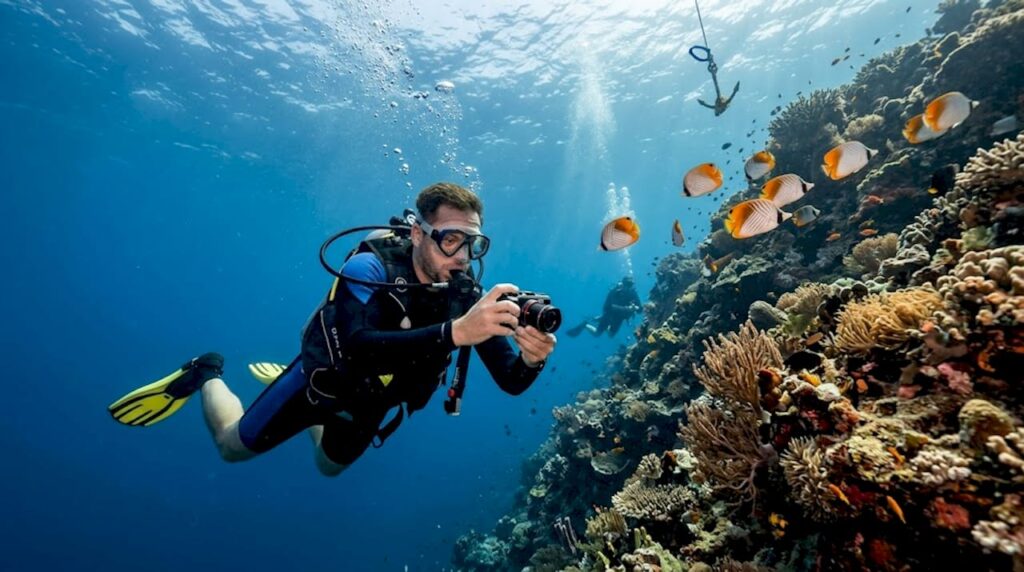
Drift diving is scuba diving in a current, instead of swimming against it or holding position. Think of it like floating down a gentle river, except you’re underwater, surrounded by schools of fish, sweeping coral formations, and the occasional sea turtle cruising alongside you. The ocean does the work, and you simply relax, observe, and enjoy the ride.
In practical terms, drift diving works by entering the water at one point and exiting at another, with the current guiding your path in between. You’re not anchored to a single spot. Instead, you move with the flow, covering far more ground than a typical still-water dive. This is why many of Bali’s popular dive sites are perfectly suited to this style, with strong, predictable currents running along dramatic reef walls and around headlands.
Here’s what separates drift diving from standard scuba:
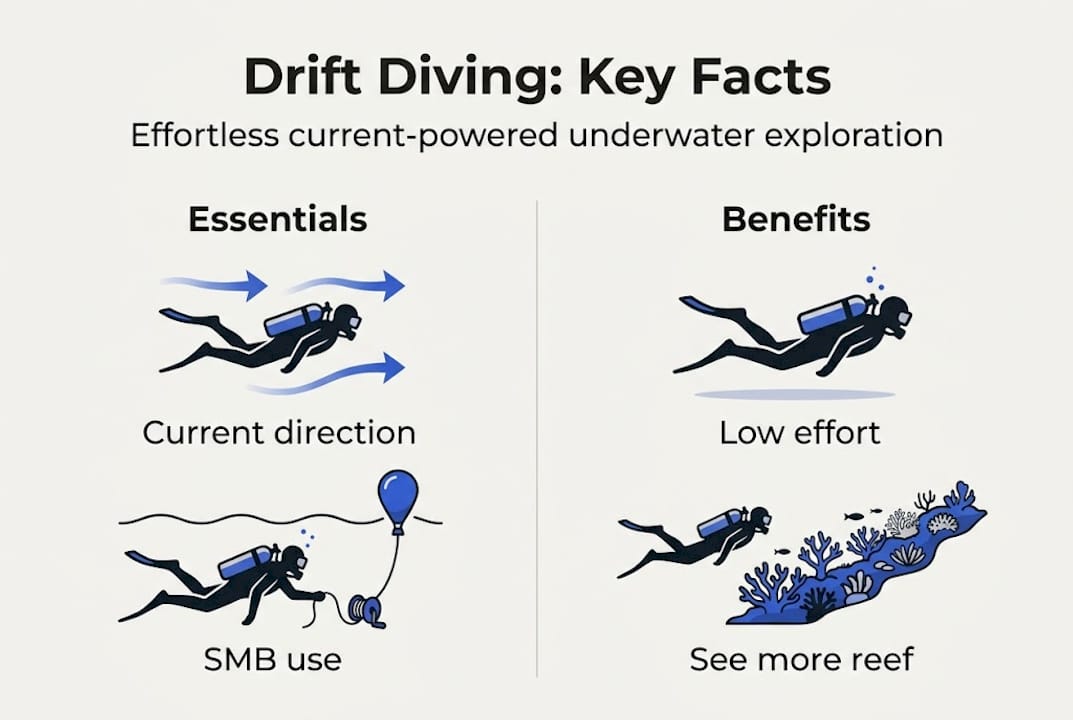
- Movement: In regular diving, you swim to your destination. In drift diving, the current moves you along the reef naturally.
- Planning: Drift dives require careful timing based on tides and current strength, not just visibility.
- Group dynamics: Everyone moves together as a unit, following the guide rather than exploring independently.
- Entry and exit: You often enter and exit at different locations, with a boat following your surface marker buoy above.
“Drift diving transforms a reef wall into a living panorama, unrolling before you at the ocean’s own pace.”
Most recreational drift dives take place in currents of around 1 to 2 knots, which is enough to move you along comfortably without feeling out of control. Here’s a quick reference for current speeds:
| Current speed | What it feels like | Suitable for |
|---|---|---|
| 0.5 knots | Gentle pull, barely noticeable | All divers |
| 1 knot | Steady glide along the reef | Beginners with a guide |
| 2 knots | Brisk movement, requires focus | Intermediate divers |
| 3+ knots | Strong, fast drift | Experienced divers only |
For those who enjoy resort-based dive excursions, drift diving is often included as a highlight, precisely because it showcases Bali’s reefs in such a dynamic and exciting way.
Mastering drift diving: Key skills and best practices
Now that you understand how drift diving is powered by the ocean itself, mastering it means adopting the right skills and staying aware underwater. The good news is that the core techniques are straightforward, and with a bit of practice, they feel entirely natural.
Here are the key skills to focus on before and during a drift dive:
- Buoyancy control. Buoyancy control is the single most important skill because drifting up or down can separate you from the group. Small adjustments to your BCD (buoyancy control device) keep you at the correct depth in shifting currents.
- Positioning relative to your group. Stay close to your guide and dive buddies at all times. The current can spread a group out quickly if everyone isn’t paying attention.
- Communication signals. Knowing standard hand signals and being alert to your guide’s directions is essential when verbal communication isn’t possible underwater.
- SMB deployment. An SMB (surface marker buoy) is a brightly coloured inflatable tube that you send to the surface to signal your position. Practise deploying it smoothly before the dive.
- Resisting the urge to fin hard. This one surprises many new drift divers. Fighting the current with powerful kicks wastes energy and air. Let the current work for you instead.
Pro Tip: Before your drift dive, ask your guide about the expected current direction and speed. Knowing whether you’ll be moving along a wall, over a flat reef, or around a headland helps you mentally prepare and stay calm if conditions shift.
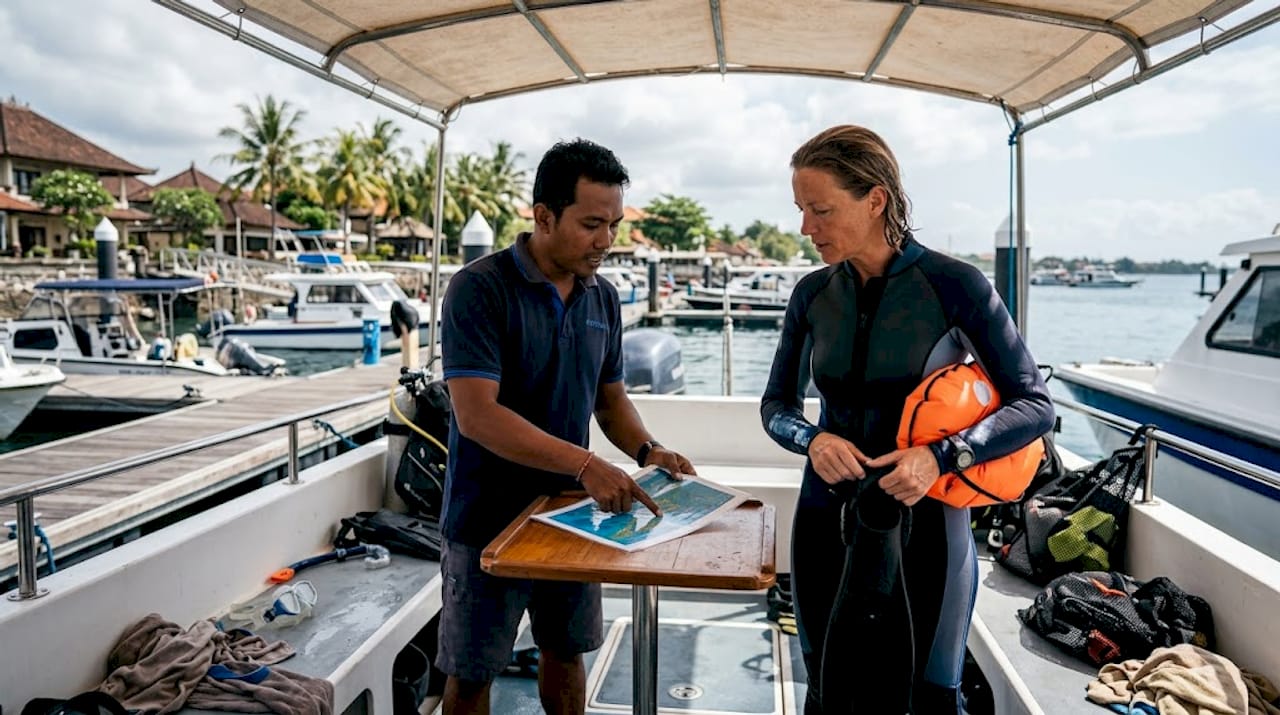
One thing that makes guided dives in Bali so valuable for drift diving specifically is that an experienced local guide reads subtle current changes that a visitor simply wouldn’t notice. They position the group correctly from the start, making the whole experience smoother and safer for everyone.
Drift diving safety: Planning, protocols, and common risks
Understanding the skills is vital, but it’s only half the equation. Safety in drift diving begins before you even enter the water.
Drift diving safety centres on current planning, staying with the group, and mandatory SMB use for boat pickup, since you may surface away from your entry point. Here’s how thoughtful preparation makes all the difference:
Pre-dive planning essentials:
| Planning element | Why it matters |
|---|---|
| Current reading | Determines safe entry timing and dive route |
| Tide timing | Currents are often strongest during tidal changes |
| Site selection | Not all sites suit all current conditions |
| Guide briefing | Sets expectations, signals, and emergency protocols |
SMBs are non-negotiable on drift dives. Because you surface at a different location from where you entered, the boat above needs a clear visual signal to find you. A brightly coloured SMB, deployed at the end of the dive, does exactly that. Some divers also carry audible signalling devices like whistles or underwater horns as a backup.
Group protocols matter enormously. A buddy system keeps pairs together within the larger group. If one diver has trouble, their buddy stays with them while the guide assists. Never drift alone.
Common risks to be aware of include:
- Rapid current acceleration around points or drop-offs
- Unintentional depth changes due to poor buoyancy
- Panic, which can lead to rapid ascents and decompression issues
- Loss of visual contact with the group or the support boat
Pro Tip: If you feel the current becoming overwhelming, signal your guide immediately. Seek shelter behind a coral outcrop or a rocky feature on the reef to reduce the pull, and wait for your guide to regroup everyone.
For more guidance, the dive community safety tips shared by experienced local divers are a great resource to explore before your trip.
Benefits of drift diving for beginners and experienced divers
With a strong grasp of safety and skill, it’s worth knowing why so many divers in Bali choose drift diving, no matter their experience level.
Drift diving reduces finning effort and air consumption, letting you observe the reef as the current does the work. This single benefit resonates differently depending on your experience:
For beginners:
- Less physical effort means more mental energy to focus on buoyancy and communication
- The guided, structured nature of drift dives builds confidence quickly
- Reduced air consumption often means longer bottom times, giving you more time to take everything in
- Many first-time drift divers describe it as surprisingly meditative and calming
For experienced divers:
- Cover more reef in a single dive, encountering a greater variety of marine life
- Access remote or less-visited sites that are only reachable via strong currents
- Sharpen advanced buoyancy and positioning skills in a dynamic environment
- Encounter pelagic species like sharks, manta rays, and large schools of barracuda that favour current-rich waters
Bali’s East Bali drift dive packages offer access to some of the island’s most spectacular drift sites, including walls draped in soft corals and channels teeming with reef fish. The region around Amed and nearby Tulamben is particularly well regarded for manageable currents and exceptional visibility.
Because drift divers aren’t kicking constantly, they use less air. A diver who might normally consume a tank in 45 minutes can comfortably extend their dive to 60 minutes or longer on a calm drift. That extra time underwater is genuinely special, especially when you’re gliding past a reef that feels completely untouched.
A diver’s perspective: What most guides won’t tell you about drift diving
Here’s the honest truth that brochures rarely mention: no two drift dives are alike, even at the same site. Currents are variable, influenced by tides, wind, and seasonal shifts, and what was a gentle 1-knot glide last week can become a brisk 2-knot rush today. We’ve seen experienced divers get caught off-guard simply because they assumed conditions would repeat.
Beginners often find drift diving surprisingly relaxing at first, and that’s wonderful. But that relaxation can tip into complacency if you stop watching your depth gauge or lose track of your buddy. Vigilance doesn’t mean tension. It means staying gently aware while you enjoy the scenery.
Risk increases sharply when divers panic, don’t follow safety protocols, or misunderstand current strength, because site conditions can change fast. This is precisely why local knowledge is irreplaceable. Our guides at Bali Dive Cove read the water every single day. They notice the subtle signs of a current shift before it becomes a challenge. If you want a genuine look at how diving tourism in Bali has evolved alongside responsible guiding, the patterns are clear: the safest and most memorable drift dives always happen with someone who truly knows the site.
Ready to explore Bali’s best drift diving?
Drift diving is one of those experiences that stays with you long after you’ve dried off and packed your bags. The effortless glide, the abundance of marine life, and the sheer scale of what you see on a single dive make it genuinely unforgettable.
At Bali Dive Cove, we run small-group guided drift dives from Amed, tailored to your experience level and comfort. Whether you’re brand new to scuba or ready to push into stronger currents, we’ve got the local knowledge and expert instruction to make it happen safely. Explore Bali’s best drift dive sites, browse our custom dive packages, or check out our drift diving courses to find the perfect fit for your Bali adventure.
Frequently asked questions
Is drift diving suitable for beginners?
Yes, beginners can enjoy drift diving with proper guidance. Drift diving for beginners is very manageable when group protocols are followed and an experienced guide leads the way, keeping everyone together and calm throughout.
What equipment do I need for drift diving?
Standard scuba gear plus an SMB is essential. SMBs are mandatory on drift dives to signal your position for boat pickup, and some sites recommend audible signalling devices such as a whistle as an added safety measure.
Do I need a guide for drift diving in Bali?
A professional guide is strongly recommended, even for experienced divers. Guided dives ensure safety and provide essential local current knowledge that visitors simply can’t replicate, particularly given how quickly conditions can shift around Bali’s headlands and channels.
How do I stay safe if I’m separated from the group during a drift dive?
Ascend slowly and calmly, then deploy your SMB immediately. Drift divers use an SMB to signal their location for boat pickup if they surface away from the group, so the support boat can locate and retrieve them quickly and safely.
