


Choosing your first Bali reef dive can feel intimidating if you picture intricate coral communities as dangerous or only for experts. In reality, reef diving is about experiencing a living, underwater ecosystem filled with thousands of interdependent species rather than just a colorful backdrop, making it ideal for curious families and beginners. With calm conditions and shallow entry points, a family-friendly dive resort in Bali helps you enjoy these vibrant habitats safely, ensuring every new diver feels supported and engaged.
Key Takeaways
| Point | Details |
|---|---|
| Understanding Reef Diving | Reef diving is accessible to beginners and focuses on observing intricate coral ecosystems, rather than technical challenges or deep dives. |
| Unique Reef Types | Be aware of the three primary types of reefs—Fringing, Barrier, and Atoll—as each presents different conditions and challenges for divers. |
| Essential Training | Certified training is crucial for safety and responsible diving, covering skills like buoyancy control and emergency procedures. |
| Environmental Impact Awareness | Responsible diving practices are essential to protect coral reefs; divers should avoid contact with marine life and follow site-specific guidelines to minimize damage. |
Defining Reef Diving and Common Misconceptions
Reef diving is simply exploring underwater coral ecosystems to observe marine life and understand these complex environments. It’s not technical deep diving or something reserved for experienced divers. Think of it as snorkeling’s deeper cousin, where you can spend more time observing the intricate communities that live on the reef.
You might picture a reef as just colorful coral rocks. Reality is completely different. Coral reef ecosystems are living, breathing communities housing thousands of species working together. Fish, crustaceans, mollusks, algae, and countless tiny organisms create a balanced system that depends on the health of the coral.
Here are the most common misconceptions about reef diving:
- Reefs are simple structures: They’re actually intricate biological communities with complex relationships between species.
- You need advanced skills: Most reef dives happen in shallow, calm waters perfect for beginners and families.
- It’s only about the big fish: The real magic happens with macro diving, observing tiny creatures like nudibranchs and shrimp.
- Reefs are the same everywhere: Each reef has unique characteristics, seasons, and marine life depending on location and conditions.
- Reef diving requires expensive gear: Basic certification and standard diving equipment are all you need to start.
The difference between reef diving and other types matters for how you approach your experience. Unlike blue water diving conducted offshore, reef diving focuses specifically on the reef habitat and its biological communities. You’re not drifting in open ocean; you’re exploring a structured underwater landscape.
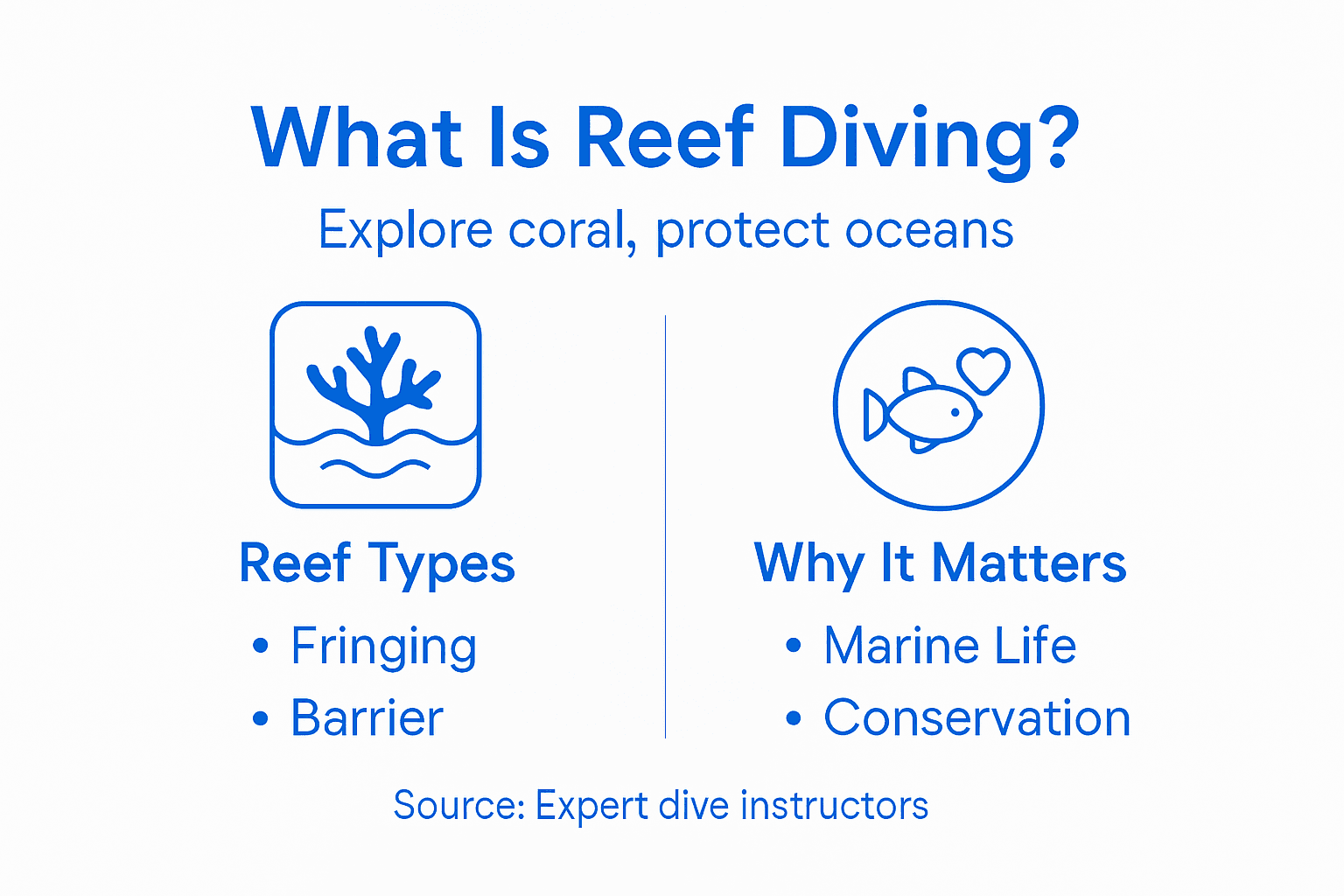
Reef diving also plays a critical role in conservation. When you understand what makes these ecosystems function, you naturally want to protect them. Many divers become advocates for reef protection after experiencing them firsthand. That awareness matters for the future of our oceans.
Another key misconception: reef diving isn’t about checking boxes or seeing everything in one day. It’s about presence and observation. You’ll notice things on your second dive that you missed on your first. The reef reveals itself to patient observers.
Many people confuse reef diving with aggressive adventure diving. In reality, the best reef dives are relaxed, unhurried experiences where you move slowly and let the reef come to you. Small group dives with experienced guides make this approach possible. You control the pace based on what interests you most.
Reef diving is about experiencing the reef as a living ecosystem, not rushing through a checklist of sights to see.
You might wonder if reef diving matters outside of personal enjoyment. It does. Reef health indicates ocean health overall. Experiencing these ecosystems firsthand creates personal connection to conservation efforts that matter far beyond any single dive site.
Pro tip: On your first reef dive, arrive with an open mind and no expectations about what you’ll see. The reef reveals its best moments to divers who simply pay attention and move slowly through the environment.
Types of Reefs and Distinct Diving Environments
Not all reefs are the same, and understanding the differences matters for your diving experience. Three primary reef types shape how you’ll dive, what you’ll see, and what conditions to expect. Each environment presents unique challenges and rewards.
Understanding reef types helps you prepare properly. Different structures create different water depths, visibility, current strength, and marine life distribution. This knowledge directly impacts your safety, enjoyment, and conservation responsibility.
Fringing Reefs
Fringing reefs attach directly to the shoreline, making them the most accessible reef type for beginners. You can often walk into shallow water and be on the reef within minutes. The water typically stays calm close to shore, gradually deepening as you move outward.
What makes fringing reefs special for first-time divers:
- Shallow entry: Start in 5-15 feet of water and gradually go deeper
- Easy shore access: No boat ride required for many fringing reef dives
- Protected zones: The reef itself breaks larger waves, creating calmer conditions
- High biodiversity: Shallow areas support abundant small fish and macro life
- Natural progression: Perfect for building confidence before exploring deeper sections
Fringing reefs often have a clear structure. You’ll see the reef crest where waves break, then a sandy slope, then the deeper reef face. This natural layout makes navigation straightforward.
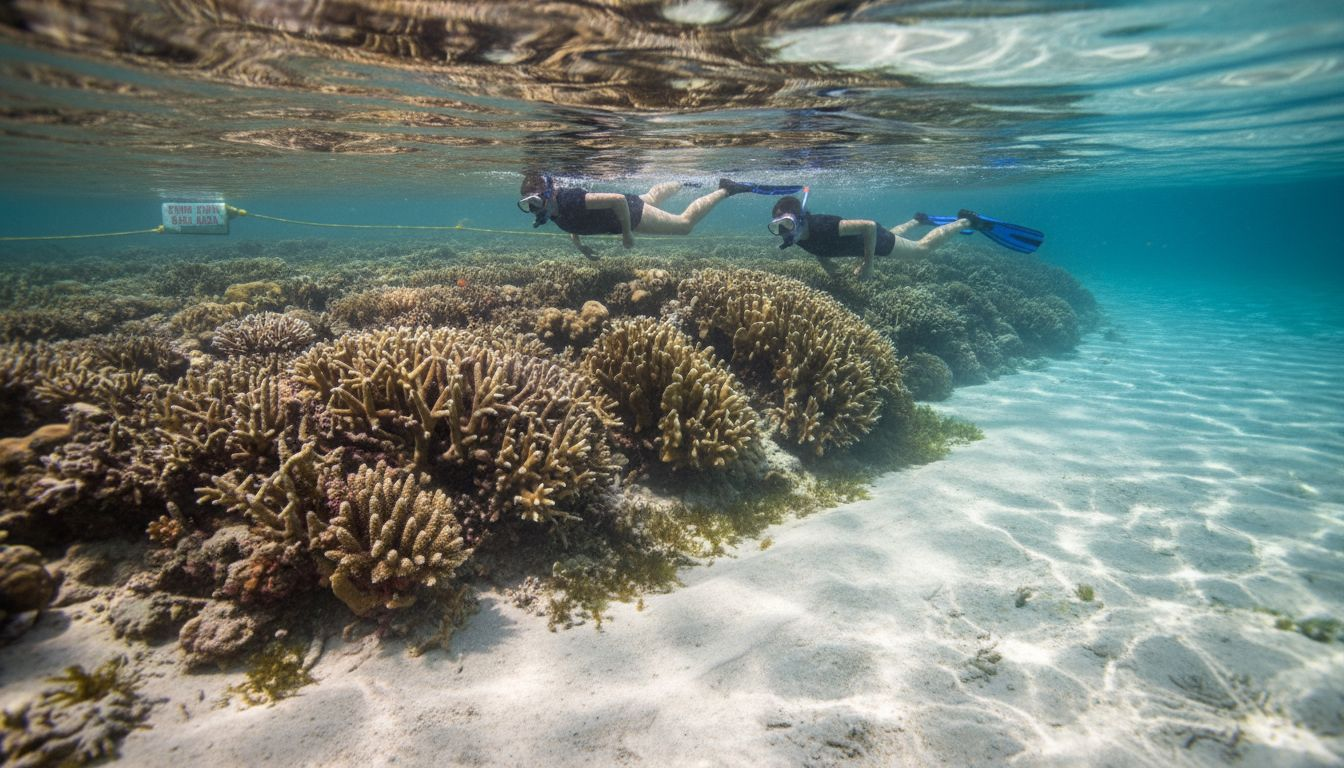
Here’s a quick comparison of reef types and their unique diving features:
| Reef Type | Accessibility | Water Conditions | Typical Marine Life |
|---|---|---|---|
| Fringing Reef | Easy shore entry | Calm, shallow, gradual depth | Small fish, macro life |
| Barrier Reef | Boat required | Stronger currents, deeper waters | High biodiversity, bigger schools |
| Atoll | Remote, advanced access | Dramatic currents, deep lagoon | Unique species, extreme diversity |
Barrier Reefs
Barrier reefs sit farther from shore, separated by a lagoon. They create a buffer zone between the open ocean and the coastline. This position exposes them to stronger currents and ocean swells, creating a different diving dynamic.
Barrier reef diving typically involves:
- Boat access required: You’ll need a dive operator to reach the reef
- Stronger currents: The open ocean exposure means more water movement
- Greater depths: The reef often drops off more dramatically
- Higher biodiversity: Stronger currents bring nutrients supporting more life
- More adventure: Conditions change more frequently with weather and season
Atolls
Atolls form ring-shaped reefs surrounding a lagoon, often in deeper ocean settings. They create a complete circle of reef with no land inside. The diving experience here is unique because you’re surrounded by reef on all sides.
Atoll diving characteristics:
- Pass diving: Channels between the reef and lagoon create dramatic current flows
- Blue water access: You can drift into deeper water beyond the reef structure
- Extreme biodiversity: The isolated ecosystem supports unique species
- Advanced conditions: Usually suited for experienced divers due to currents and depth
Each reef type offers a completely different experience. Your first dives should match your skill level and build from there.
In Amed, you’ll primarily encounter fringing reefs with some barrier reef characteristics. The local reefs range from 5-40 feet deep depending on the site, giving you excellent progression opportunities. Scuba diving in Amed offers the perfect combination of accessibility and variety for developing your reef diving skills.
The environment also shifts with seasons. During dry season, visibility increases and conditions calm. Wet season brings more nutrients and active marine life but heavier weather. Understanding these patterns helps you choose the best times for your experience level.
Pro tip: Start with shallow fringing reef dives to develop your buoyancy control and observation skills before progressing to deeper barrier reefs or current-rich atolls.
Essential Skills and Requirements for Beginners
You don’t need to be an experienced swimmer or athlete to start reef diving. What you need is the right training, basic fitness, and a willingness to learn. Open Water SCUBA certification is your starting point for safe, responsible reef exploration.
Certification teaches you the fundamentals before you ever encounter a reef. You’ll learn equipment handling, emergency procedures, buoyancy control, and how to breathe underwater without panicking. These skills form the foundation for everything else.
What You’ll Learn in Certification
Entry-level courses typically run 3-4 days and combine classroom, confined water, and open water training. Each session builds on the previous one, giving you time to practice before moving deeper or more complex situations.
Core skills covered in certification include:
- Equipment assembly and use: Understanding your gear and how each piece works
- Breathing techniques: Maintaining steady breathing and managing air consumption
- Buoyancy control: Staying level underwater without drifting up or down
- Mask clearing: Removing and replacing your mask underwater calmly
- Emergency procedures: What to do if something goes wrong
- Navigation basics: Finding your way underwater and back to the boat or shore
- Safety awareness: Recognizing hazards and making responsible decisions
These aren’t just theoretical lessons. You’ll practice each skill repeatedly in controlled environments before attempting them on a real reef.
Here is a summary of essential skills beginners should focus on for safe reef diving:
| Skill Area | Purpose | Impact on Diving Experience |
|---|---|---|
| Buoyancy Control | Prevent accidental contact | Protects reef and ensures safety |
| Breathing Techniques | Maintain calm and conserve air | Extends dive time, reduces stress |
| Navigation Basics | Orient underwater and exit safely | Increases confidence and enjoyment |
| Mask Clearing | Handle unexpected situations | Promotes comfort and focus |
Physical and Medical Requirements
You’ll need basic swimming competency. This doesn’t mean competitive swimming ability—it means comfort in water and the ability to stay calm underwater. Most people with reasonable swimming skills pass certification without difficulty.
Medical clearance is also required. Your instructor will review health questions to ensure diving is safe for your individual condition. Certain conditions may restrict your diving, but many people with health concerns still dive safely with proper medical approval.
Progressive Skill Development
Certification isn’t the end of your training—it’s the beginning. Advanced certifications build on your foundation with specialized skills like underwater navigation, rescue techniques, and deep diving. Each level opens new possibilities while building confidence.
Your progression might look like this:
- Open Water Certification (depth limit: 40 feet)
- Advanced Open Water (depth limit: 100 feet, expanded skills)
- Specialty courses (night diving, wreck diving, rescue diving, etc.)
- Divemaster or specialty instructor training
Certification means you’ve learned the skills. Experience means you’ve practiced them safely with good instruction.
In Amed, our experienced instructors work with you at your pace. We don’t rush through dives or push you beyond your comfort level. Small group dives ensure personalized attention and clear communication. You’ll build competence gradually, taking on more complex dives as your skills develop.
Most importantly, certification gives you the confidence to enjoy reef diving responsibly. You’ll understand why certain procedures exist and how they protect you and the reef.
Pro tip: Complete your certification before traveling to Bali, so you arrive ready to dive. This gives you time to adjust to the dive resort environment and focus on the reef experience rather than skill practice.
Safety Practices, Risks and Environmental Impacts
Reef diving carries real risks, but proper training and awareness make it remarkably safe. Every dive involves potential hazards—both to you and the reef ecosystem. Understanding these risks transforms them from hidden dangers into manageable challenges.
Your safety depends on three factors: your training, your decisions, and environmental conditions. You control the first two completely. The third requires awareness and flexibility.
Diver Safety Risks
Common diving accidents stem from preventable mistakes rather than unavoidable circumstances. Panic, poor buoyancy control, equipment failure, and ignoring your limits create dangerous situations.
Key safety priorities:
- Buoyancy mastery: Poor buoyancy control leads to uncontrolled ascents, rapid descents, or reef contact
- Air management: Running out of air is a legitimate emergency requiring training and composure
- Staying together: Separation from your buddy or group creates dangerous situations
- Respecting depth limits: Deeper water means physiological changes and nitrogen narcosis effects
- Health awareness: Dehydration, exhaustion, or illness before diving increases accident risk
- Equipment checks: Faulty gear causes problems that trained divers can manage but shouldn’t face
These aren’t theoretical concerns. They happen. Which is why training emphasizes prevention and response.
Environmental Damage and Responsibility
Reef diving impacts the ecosystem you came to experience. Coral reefs face vulnerability from climate change, pollution, and physical damage. Divers unintentionally cause additional stress through careless practices.
Common diving impacts on reefs:
- Coral breakage: Touching, stepping on, or bumping coral damages delicate structures
- Sediment disruption: Poor buoyancy control kicks up sand that smothers coral polyps
- Fish stress: Aggressive behavior or close pursuit frightens fish and disrupts feeding
- Anchor damage: Boat anchors damage large reef areas before anyone even enters the water
- Pollution introduction: Sunscreen, oils, and chemicals harm reef chemistry
Responsible Diving Practices
You protect the reef through deliberate choices during every dive. Safe diving practices minimize negative impacts while protecting your safety simultaneously.
Fundamental responsible diving:
- Maintain excellent buoyancy so you never touch the reef
- Keep hands at your sides or behind your back
- Never collect, chase, or harass marine life
- Stay 3+ feet away from coral structures
- Use reef-safe sunscreen to avoid chemical pollution
- Follow guide instructions and site-specific rules
- Minimize fin movement in sensitive shallow areas
- Respect closed or restricted zones
Your buoyancy control directly determines whether you help or harm the reef.
At Bali Dive Cove, we emphasize these practices constantly. Your guide watches your technique and corrects problems immediately. Over multiple dives, good habits become automatic. You’ll naturally maintain proper distance and movement.
Your responsibility extends beyond the dive too. The decisions you make before diving—your fitness level, equipment condition, and mental state—determine whether you dive safely. Tired, hungover, or upset divers make poor decisions underwater.
Pro tip: Review the dive site rules and reef sensitivity before entering the water, and ask your guide about specific areas requiring extra care. Some reefs have damaged sections recovering from past impacts—knowing where they are helps you avoid causing additional harm.
Mistakes to Avoid and Responsible Reef Diving
Most reef damage happens unintentionally. Divers make careless mistakes without realizing the consequences. Learning what not to do is just as important as learning proper techniques. Small changes in behavior create enormous positive impacts.
Responsible reef diving starts with awareness. You need to understand how your actions affect the ecosystem before you ever enter the water. Then you practice those principles until they become automatic.
Common Mistakes That Damage Reefs
Improper buoyancy control remains the single biggest source of accidental reef damage. Divers who can’t maintain neutral buoyancy bump corals, kick up sediment, and create chaos. This is preventable through focused practice and attention.
The most common reef-damaging mistakes:
- Touching or standing on coral: Even light contact damages delicate polyps and breaks branches
- Poor fin technique: Wide, careless kicks stir up sand that smothers coral
- Collecting shells or specimens: Taking anything removes part of the ecosystem balance
- Chasing marine life: Aggressive pursuit stresses animals and disrupts feeding or mating
- Using hand-held lights incorrectly: Some creatures flee bright light, disrupting their behavior
- Wearing heavy jewelry or gear: Extra weight requires constant finning, increasing contact risk
- Diving while exhausted or hungover: Poor physical condition leads to poor decision-making underwater
These mistakes seem minor in isolation. Multiply them by thousands of divers visiting the same reef yearly, and the damage accumulates rapidly.
Responsible Diving Standards
Responsible reef diving means following approved dive plans and conservation ethics before you descend. Planning prevents mistakes. Ethics prevent damage.
Your responsibility checklist:
- Maintain neutral buoyancy constantly
- Keep your hands tucked or behind your back
- Position yourself away from sensitive areas
- Observe marine life without touching or pursuing
- Never collect specimens or remove anything
- Check equipment thoroughly before diving
- Stay within your certification limits
- Follow your guide’s instructions precisely
- Report any damage you witness to your operator
- Ask questions about reef sensitivity before each dive
These aren’t restrictive rules. They’re guidelines that let you experience the reef fully while leaving it healthier than you found it.
The best diver is the one who can watch the reef for hours without touching anything.
Your attitude matters as much as your technique. Divers who approach reefs with respect and curiosity naturally behave responsibly. Divers seeking thrills or trophies cause problems.
At Bali Dive Cove, we work with you to develop the right mindset. Your guide models proper technique and gently corrects mistakes. Over multiple dives, responsible practices become your default behavior. You won’t need to think about what not to do—you’ll simply do it right.
One final point: responsible diving requires honesty about your limitations. Don’t dive beyond your training. Don’t ignore warning signs from your body. Don’t push through exhaustion or discomfort. Respect your limits as fiercely as you respect the reef.
Pro tip: Before each dive, ask your guide specifically which areas are recovering or particularly sensitive, and which techniques matter most at that specific site. Different reefs need different approaches—customize your respect accordingly.
Experience Reef Diving the Right Way with Bali Dive Cove
Understanding reef diving is just the beginning. If you want to overcome common challenges like mastering buoyancy control, respecting delicate coral ecosystems, and building your confidence underwater, Bali Dive Cove offers the perfect solution. Our family owned PADI 5-Star Dive Resort in Amed provides small group guided dives and personalized instruction designed around your pace. You will learn how to protect reef health while fully enjoying the vibrant marine life.
Start your journey with expert instructors who know Amed’s reefs inside and out. Whether you are taking your first steps with a PADI certification or seeking relaxed, safe dives that deepen your connection to the reef, we make it easy and rewarding. Discover how enjoyable responsible reef diving can be at Bali Dive Cove. Book your dive experience today and take care of the reefs you explore for many years to come.
Frequently Asked Questions
What is reef diving?
Reef diving is the exploration of underwater coral ecosystems to observe marine life and understand the complex relationships within these vibrant communities.
Do I need advanced diving skills to go reef diving?
No, most reef dives occur in shallow, calm waters, making them suitable for beginners and families. Basic diving certification is often enough to start.
What types of reefs can I explore while diving?
There are three primary types of reefs: fringing reefs, which are close to shore; barrier reefs, which are further out and separated by a lagoon; and atolls, which are ring-shaped reefs surrounding a lagoon. Each offers unique diving experiences.
Why is reef diving important for conservation?
Reef diving raises awareness about the health of coral ecosystems. Personal experiences in these environments often inspire divers to advocate for reef protection and conservation efforts, which is crucial for maintaining ocean health.
