What is the Japanese Shipwreck Amed?
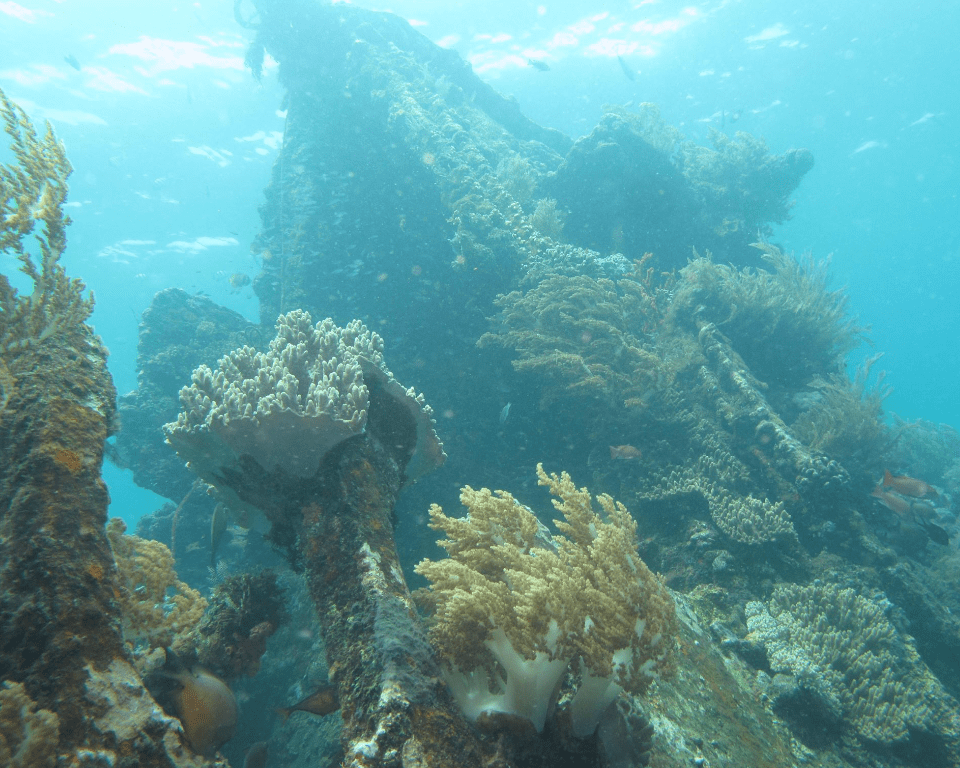
The Japanese Shipwreck is a compact wreck dive located a short drive from Amed, in the opposite direction of Tulamben. Dating back to World War II, its exact history remains unclear, which adds a quiet sense of mystery to the site.
The wooden vessel is approximately 20 metres long and lies in shallow water near the entrance of a bay. While small in size, it provides an interesting wreck to explore before continuing the dive along the surrounding reef slope.
Why dive at the Japanese Shipwreck Amed?
The appeal of the Japanese Shipwreck lies in the combination of a small, easily explored wreck and the nearby reef. Divers can spend time examining the remains of the hull before drifting or finning along coral-covered sections.
Because of its size and the variable current in the area, this is not usually one of our core daily dive sites. However, when conditions are right, it makes a rewarding addition to a multi-dive day.
It offers a change of pace, particularly for divers who enjoy exploring smaller wrecks and surrounding reef slopes.
What can you see at the Japanese Shipwreck Amed?
Marine life around the Japanese Shipwreck and nearby reef regularly includes:
- The remains of the wooden hull and scattered ship features
- Reef fish sheltering around the wreck structure
- Hard and soft corals along the nearby slope
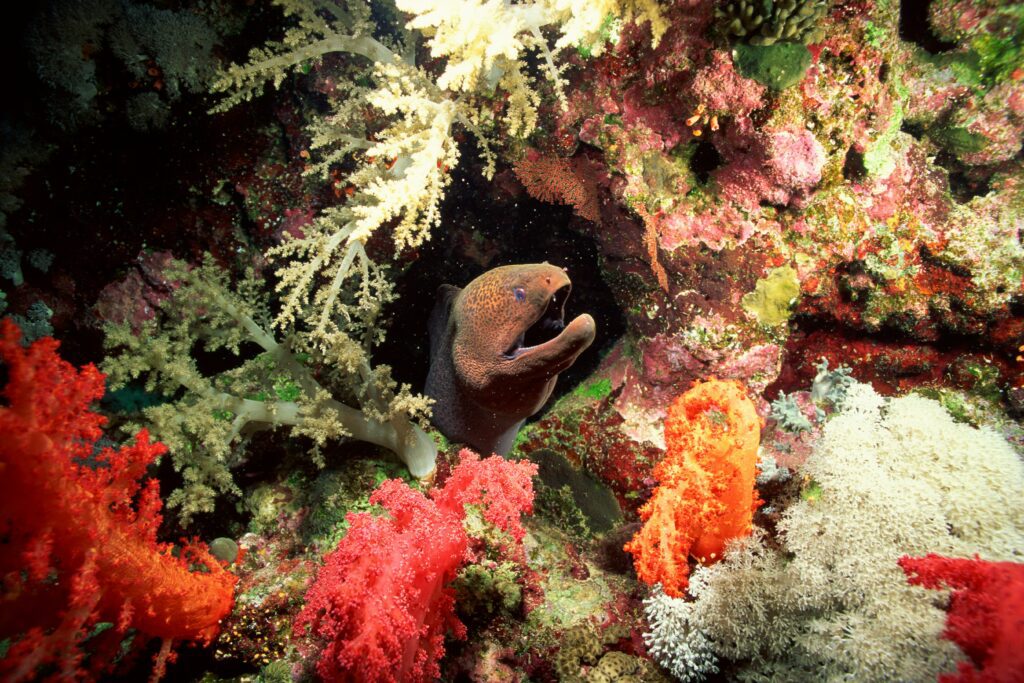
- Moray eels hidden within reef crevices
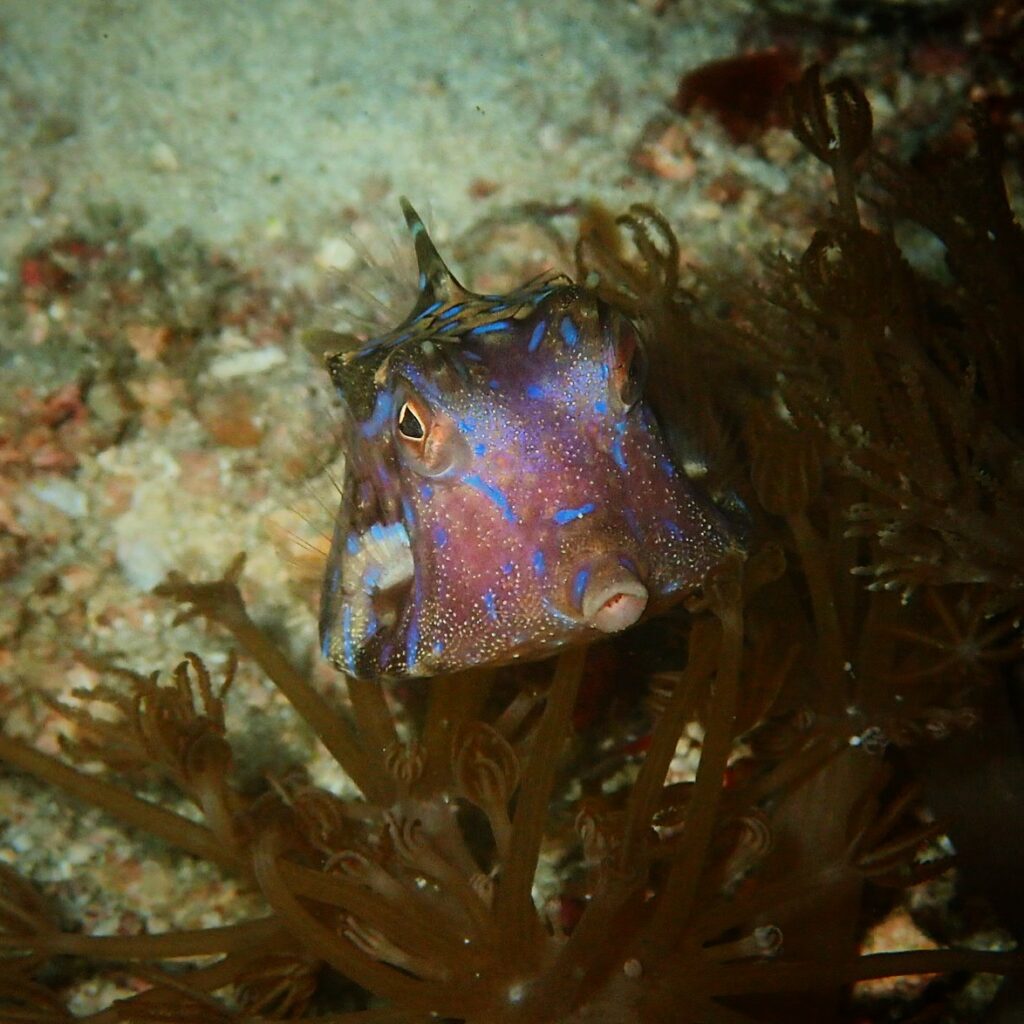
- Nudibranchs and other macro life
- Schools of small reef fish moving along the reef
- Occasional pygmy seahorses spotted by experienced guides
Pygmy seahorses are sometimes found in the area, though sightings depend heavily on conditions and guide experience.
The combination of a small wreck and surrounding reef makes this a varied and interesting dive.
Typical Dive Day Setup
At Bali Dive Cove, we typically organise two or more dives per day, pairing sites based on conditions and experience level. Dives at the Japanese Shipwreck are always guided and carefully timed based on current and conditions.
When suitable, the site may be incorporated into Speciality dives.
Frequently Asked Questions