

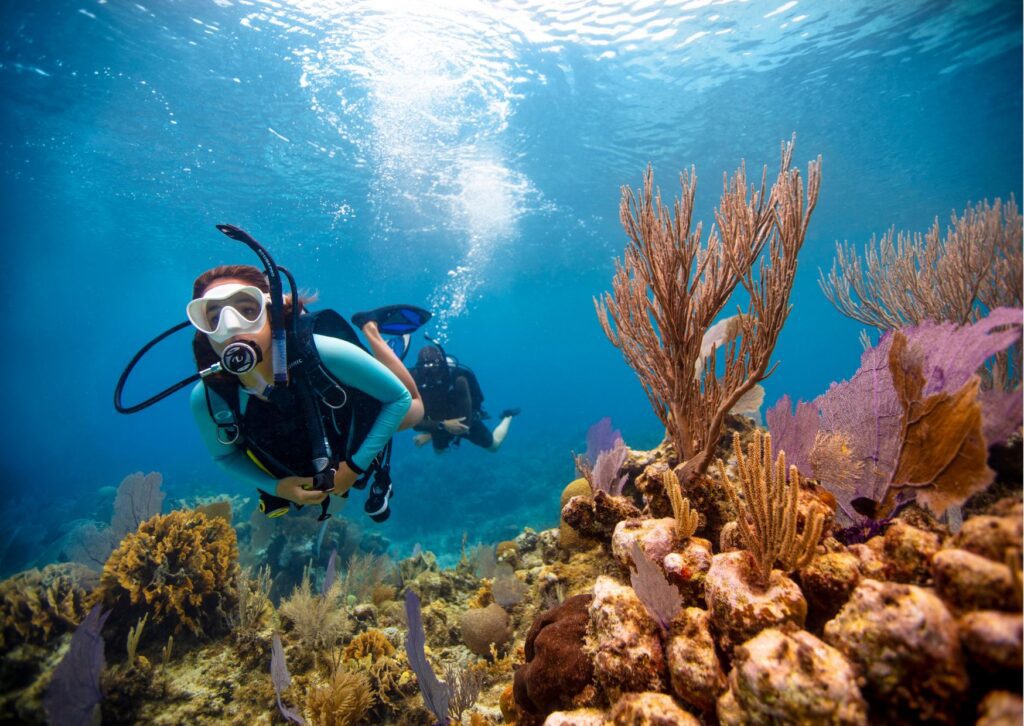
Many divers assume all underwater locations deliver similar experiences, but dive sites in Bali vary dramatically in conditions, safety, and suitability. Understanding what defines a dive site helps you choose locations that match your skills and interests, ensuring safer and more enjoyable dives.
This guide explains what defines a dive site, how Bali dive sites differ, and the key safety factors divers should consider before entering the water.
Key takeaways
| Point | Details |
|---|---|
| Definition | A dive site is characterised by underwater geography, marine ecology, and environmental conditions that determine its suitability for different skill levels. |
| Safety factors | Visibility, current strength, depth, and emergency access critically influence whether a site matches your certification and experience. |
| Bali features | Over 400 coral species, seasonal visibility of 10 to 30 metres, and diverse topography create unique diving opportunities across reefs, wrecks, and walls. |
| Skill matching | Aligning your certification and comfort level with site difficulty reduces accident risk and maximises enjoyment. |
| Evaluation framework | Assessing environment, safety, experience requirements, and logistics helps you confidently select appropriate Bali dive sites. |
Understanding what a dive site is
A dive site is a specific underwater location defined by distinct features such as topography, marine life, and environmental conditions. These characteristics shape the diving experience and determine the site’s accessibility and suitability for different skill levels.
Common dive site types include:
- Coral reefs: Shallow or deep formations hosting vibrant marine ecosystems
- Wrecks: Sunken vessels or structures offering exploration opportunities
- Walls: Vertical reef faces descending into deeper waters
- Sandy bottoms: Flatter areas often home to macro life, critters, and scattered coral patches
- Caves and overhangs: Sheltered formations requiring specialised skills
Bali’s dive sites are known for warm waters averaging 27 to 29°C year round, particularly along the north and east coasts around Amed, Tulamben and Pemuteran. These areas support rich marine biodiversity and a wide range of underwater terrain, from gentle sloping reefs suited to beginners to dramatic walls and wreck sites shaped by Bali’s volcanic geology.
In some parts of Bali, particularly around Candidasa and Nusa Penida, cooler ocean currents can lower water temperatures significantly at certain times of the year. These areas may experience temperatures closer to 22 to 26 degrees (sometimes around 16 degrees) Celsius when deeper water upwellings bring nutrient-rich currents that attract larger marine life.
Dive sites are catalogued and documented to help divers select locations based on interests, qualifications, and comfort levels. Exploring our range of dive sites provides detailed information about Bali’s underwater locations.
Safety and environmental conditions impacting dive sites
Visibility, current strength, and water depth are primary safety factors that determine whether a dive site is suitable for different experience levels. These conditions directly influence navigation, air consumption, and how easily divers can respond to unexpected situations underwater.
Beginner divers generally require more forgiving conditions, including:
- Visibility greater than 5 metres for comfortable orientation
- Gentle currents that allow relaxed finning and buoyancy control
- Depths less than 18 metres, which aligns with Open Water certification limits
- Proximity to shore or reliable boat support for quicker assistance if needed
More experienced divers with advanced certifications can explore sites with stronger currents, deeper profiles, and variable visibility. However, certification alone does not guarantee readiness. Divers should also consider their recent dive experience, comfort level in similar conditions, and overall confidence in the water.
Access to emergency support also plays an important role in dive safety. Sites located near medical facilities, supported by boats carrying emergency oxygen, or within reasonable distance of assistance provide an additional layer of protection if problems occur.
Entry type is another factor to consider. Shore dives may involve walking across rocks or descending steep beaches, while boat dives require ladder climbs and surface entries in open water. These logistical elements can influence how physically demanding a dive becomes before you even enter the water.
Understanding safety conditions helps divers avoid unnecessary stress and enjoy more comfortable dives.
Our beginner dive site selection guide explains how to evaluate conditions systematically. Consulting safe dive site selection resources before planning dives helps divers understand environmental factors before entering the water.

Local features of Bali dive sites
Bali hosts over 400 species of coral, creating vibrant reef ecosystems that support thousands of marine organisms. Hard corals form the structure of the reef, while soft corals add colour and movement. These reefs are especially prominent around East Bali, where protected areas near Amed and Tulamben support healthy coral growth and diverse marine life.
Visibility around Bali can vary depending on currents, plankton activity, and local weather conditions. At many dive sites in North and East Bali, including Amed and Tulamben, visibility is often excellent throughout the year.
Seasonal changes can influence conditions slightly. The dry season from April to October typically brings calmer seas and more stable conditions, while the wet season may occasionally reduce visibility at some shore sites after heavy rain.
However, many Bali dive sites still offer very good visibility year round, particularly at deeper sites or areas less affected by coastal runoff.
Some of Bali’s best known dive sites showcase this variety. Shallow coral gardens around Amed provide ideal conditions for new divers, while the USAT Liberty Wreck in Tulamben is one of the world’s most accessible wreck dives from shore. More exposed areas, such as Nusa Penida feature dramatic reefs and stronger currents that attract larger marine life.
Across these locations, divers may encounter manta cleaning stations, pygmy seahorses hidden among soft corals, and seasonal visits from mola mola during cooler months.

Divers visiting Bali encounter a wide range of marine life across its reefs and wreck sites. Reef fish, turtles, rays, and an impressive variety of macro species can be found throughout the island’s dive sites.
Wreck diving also forms an important part of Bali’s underwater landscape. The Japanese Shipwreck in Amed sits in shallow water and is accessible to many Open Water divers, while the USAT Liberty Wreck in Tulamben offers multiple dive profiles suitable for different experience levels. For divers looking for a deeper wreck experience, the Boga Wreck near Kubu rests at greater depths and is typically explored by Advanced Open Water divers.
Pro tip: Visit several different types of dive sites during your trip to experience the full range of underwater environments Bali offers, from relaxed coral gardens to historic wreck dives.
Explore details about Bali’s underwater locations in our guide to the best dive sites in Bali. Understanding local marine species helps you identify creatures during dives, covered in our Bali marine life guide.
Common misconceptions about dive sites
Many divers make incorrect assumptions about dive site suitability, which can lead to uncomfortable dives or situations that exceed their experience level. Understanding a few common misconceptions helps divers choose locations that match their skills and enjoy their dives more safely.
- All sites suit all divers: Certification levels exist because dive sites vary dramatically in difficulty. An Open Water diver attempting a deep drift dive with strong currents may struggle with buoyancy control, navigation, or staying with the group.
- Marine life presence guarantees safety: Spectacular creatures attract divers, but the conditions where they live are not always beginner friendly. Strong currents, poor visibility, or deeper depths may make these sites more suitable for experienced divers.
- Popular means safe: Well known sites attract divers of all levels, but conditions change daily. The USAT Liberty Wreck, for example, can have calm conditions on one day and noticeable surge or current the next.
- Certification alone prepares you: A certification card confirms training, but recent dive experience, physical fitness, and comfort in similar conditions are just as important.
- Emergency support is always available: Remote dive sites may not have immediate access to medical facilities or emergency oxygen. Understanding the available support before diving helps avoid delays if assistance is required.
- Experience transfers across all environments: Diving conditions vary widely around the world. Tropical reef diving, strong current drift diving, and colder water environments all require slightly different skills and awareness.
Our guide to beginner friendly dive sites explains how to identify locations that match your actual capabilities, not just your certification level.
Comparing and evaluating dive sites: a practical framework
Evaluating dive sites using a simple four part framework helps you choose locations that match your skills, interests, and comfort level. Looking at these factors before planning a dive reduces guesswork and helps divers make safer decisions.
| Evaluation pillar | Key factors | Assessment questions |
|---|---|---|
| Environment | Marine life diversity, coral health, underwater topography, temperature | What marine life can be found here? What type of underwater terrain defines the site? |
| Safety | Current strength, visibility range, maximum depth, emergency access | Do conditions match my certification and experience? How quickly could assistance reach the site if needed? |
| Experience | Required certification, recommended dive count, speciality skills | Have I done similar dives recently? Would additional training improve safety or enjoyment? |
| Logistics | Boat access, guide availability, equipment requirements, local regulations | How do divers reach this site? Are guides required or recommended? Is any special equipment needed? |
Environmental assessment helps you understand what you are likely to encounter underwater. Coral reefs with colourful fish may appeal to photographers, while sandy muck diving sites known for rare critters attract macro enthusiasts. Understanding the terrain also helps divers anticipate navigation challenges and plan their dive profile more effectively.
Safety evaluation determines whether site conditions match your capabilities. Compare the site’s maximum depth with your certification limits, consider whether typical currents match your drift diving experience, and check whether visibility is within your comfort level. Sites with straightforward entries, reliable boat support, and nearby assistance generally provide an additional safety margin.
Example in Amed:
Many reefs around Amed start in shallow water and gradually slope deeper, making them suitable for beginner divers. However, occasional surge or mild current can still occur depending on tides and wind conditions, so checking conditions with a local guide before entering the water is always recommended.
Experience requirements go beyond certification cards. Consider how often you have dived recently, your comfort in similar conditions, and whether any speciality skills may be helpful. Some dive sites require confident buoyancy control, navigation skills, or experience managing stronger currents.
Example in Amed:
Sites such as Jemeluk Bay or Amed Pyramids are often suitable for newer divers, but maintaining good buoyancy is still important to avoid damaging coral or disturbing marine life. More exposed areas along the coastline may require slightly stronger finning and better awareness of currents.
Logistics planning covers the practical side of reaching and diving a site. Shore accessible locations are often easier for independent divers, while more remote areas may require boat access. It is also worth confirming whether guides are required, equipment rental is available, and if any local regulations or site restrictions apply.
Example in Amed:
Many dive sites in Amed are accessed directly from shore, but entries usually involve walking across volcanic pebbles or rocky beaches while carrying equipment (Guides can assist divers with entries if needed.) Some locations are reached by traditional jukung boats, which provide quick access to reefs along the coastline and allow divers to enter the water away from busy shore areas.

You can apply this approach when evaluating Bali dive sites, helping you choose locations that match your experience and comfort level.
Applying dive site knowledge for your Bali diving experience
Understanding how dive sites differ helps you make better decisions when planning dives in Bali. By considering conditions, experience level, and logistics, divers can choose locations that are both safe and enjoyable.
-
Assess your certification and recent experience honestly
Review your training limits, consider how many dives you have completed recently, and identify any skills that may need refreshing. Divers should also ensure they are medically fit to dive before entering the water, as certain health conditions may require medical clearance. Overestimating your capabilities can lead to stressful underwater situations. -
Research seasonal conditions for your travel dates
Conditions at Bali dive sites can change slightly throughout the year. The dry season generally brings calmer seas and excellent visibility, while the wet season may include occasional runoff and more variable conditions. Understanding seasonal patterns helps you choose dive sites that match your expectations. -
Prioritise sites with strong safety infrastructure
Choose locations supported by experienced guides and reliable dive operators. For sites accessed by boat, ensure vessels carry emergency oxygen and appropriate safety equipment. Proximity to medical facilities can also provide additional reassurance in case of emergency. Bali has hyperbaric treatment facilities available at hospitals such as Sanglah Hospital in Denpasar and Kasih Ibu Hospital in Saba, which are equipped to treat diving-related injuries if specialised care is needed.
-
Start conservatively and progress gradually
Begin with easier sites to assess your comfort in local conditions before attempting more challenging dives. Shallow coral reefs around Amed (like Jemeluk Bay for example) are ideal for relaxed introductory dives before exploring more advanced dive locations. -
Consult local experts for recommendations
Local dive operators understand how conditions change daily and can recommend suitable Bali dive sites based on your certification level, recent experience, and current sea conditions. -
Book additional training if needed
If the sites you want to explore require deeper depths or stronger current management, completing further training such as an Advanced Open Water course can safely expand the range of dive sites available to you.
Pro tip: Schedule an easy guided dive on your first day in Bali. This allows you to assess local conditions and adjust your dive plans before attempting more advanced sites.
If you plan to explore deeper sites or areas with stronger currents, additional training may help expand the range of Bali dive sites you can safely explore. Reviewing detailed dive site descriptions in advance also helps divers plan a more enjoyable itinerary.
Plan your Bali diving adventure with Bali Dive Cove
Understanding what defines a dive site and how conditions vary helps divers choose locations that match their experience and interests. Bali offers an incredible range of underwater environments, from shallow coral reefs in Amed to historic wrecks in Tulamben.
At Bali Dive Cove, we help divers explore these locations at a comfortable pace, selecting dive sites that suit each diver’s experience level and confidence in the water. Whether you are newly certified or looking to expand your diving experience, our team can guide you to some of the most rewarding dive sites in Bali.
Our PADI courses help divers build the skills needed to safely explore a wider range of Bali dive sites. With small group instruction, relaxed pacing, and more than 16 years of local experience, divers can develop confidence before progressing to deeper or more challenging locations.
Divers looking to expand their options can complete training such as the Advanced Open Water course or speciality courses like the PADI deep diver course. These certifications allow you to safely explore more of Bali’s underwater environments.
Whether you are learning to dive or planning guided dives around Amed and Tulamben, Bali Dive Cove offers friendly, family-run support to help you experience Bali’s underwater world.
Frequently asked questions
What factors define a dive site?
A dive site is defined by its underwater topography, marine life, environmental conditions such as currents and visibility, and how the site is accessed. These elements determine which divers can safely explore the location and what type of experience they can expect underwater.
How do I know if a dive site suits my skill level?
Compare the site’s maximum depth with your certification limits, consider whether the typical currents match your experience level, and check whether visibility is within your comfort range. If a site exceeds your training or recent dive experience, it may be better to choose an easier alternative.
Are all dive sites safe for beginners?
No. Beginner divers should choose sites with gentle currents, visibility greater than 5 metres, and maximum depths within Open Water certification limits of 18 metres. Many spectacular dive sites require stronger current management, deeper diving, or more experience.
Can seasonal changes affect dive site conditions in Bali?
Yes. Visibility across Bali dive sites can range from around 10 to 30 metres depending on the season. The dry season from April to October often brings calmer seas and excellent visibility, while the wet season may include occasional runoff and slightly more variable conditions.
Where can I find reliable information about Bali dive sites?
Local dive operators are often the most reliable source of information about Bali dive sites. Experienced guides monitor daily conditions such as visibility, currents, and marine life activity, helping divers choose suitable locations based on their certification and experience.
Do I need special training to dive Bali’s wreck sites?
Some wreck dives require additional training depending on depth and conditions. While the USAT Liberty Wreck in Tulamben can be explored by Open Water divers staying within depth limits, deeper wreck sites may require Advanced Open Water certification. Wreck penetration diving also requires specialised training.
