

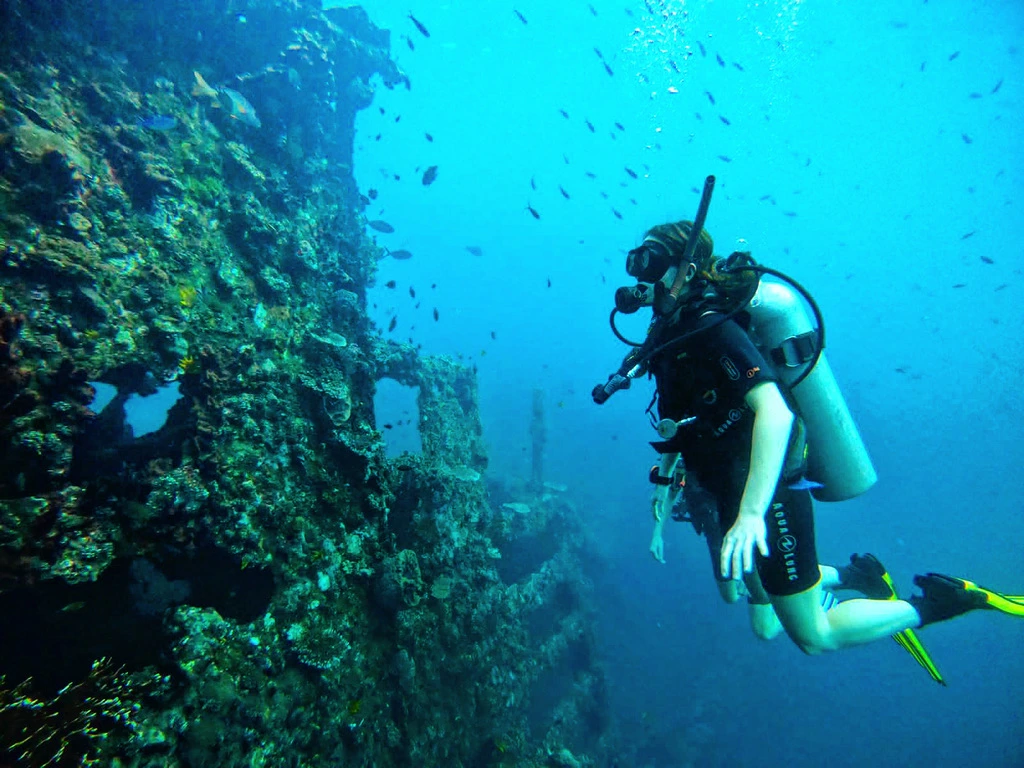
Choosing where to dive along Bali’s east coast can feel overwhelming, especially when people refer to “Amed” as a single destination. In reality, Amed is a stretch of coastal villages including Jemeluk, Bunutan and Lipah, each offering different dive conditions and entry points.
Understanding how to navigate Amed dive sites means knowing how these locations differ, which sites match your certification level, and how to plan dives based on conditions rather than just popularity.
This guide walks you through preparation, site selection and practical navigation tips so you can explore Amed’s reefs and walls with confidence.
Key takeaways
| Point | Details |
|---|---|
| Preparation varies by level | Beginners rely on structured training and guidance, while more experienced divers focus on refining skills, equipment familiarity, and adapting to local conditions |
| Site selection is condition-based | Amed dive sites are chosen daily based on current, visibility, and diver experience rather than a fixed plan |
| Progression improves experience | Most dive itineraries start with calm sites like Jemeluk Bay and Amed Pyramids before progressing to walls, drift dives, and deeper profiles |
| Amed and Tulamben work together | Many divers combine Amed reefs with Tulamben sites like the USAT Liberty wreck to experience a wider range of diving without changing location |
Before you step into Amed’s waters, proper preparation sets the foundation for safe and enjoyable diving. Your readiness depends heavily on your certification level and experience. Beginners should complete foundational PADI courses for safe diving in Amed, whilst experienced divers need to refresh skills and familiarise themselves with local conditions.
Personal gear requirements differ across skill levels. Beginners typically rely on rental equipment provided by dive centres, including mask, fins, wetsuit, BCD, regulator and tank. Intermediate and advanced divers often bring their own masks for optimal fit, dive computers for precise depth and time tracking, underwater torches for exploring darker areas like wrecks and sometimes cameras. Regardless of level, ensure your equipment fits properly and functions correctly before entering the water.
Physical fitness and certification prerequisites form the next layer of preparation. You need reasonable swimming ability and comfort in water, though you don’t need to be an Olympic swimmer. Medical conditions affecting ears, lungs or heart require clearance from a diving physician. Certification levels determine which sites you can access safely. Open Water divers can explore sites down to 18 metres, Advanced Open Water extends this to 30 metres, and speciality certifications like Deep Diver or Wreck Diver unlock specific challenging sites.
Environmental and safety precautions deserve careful attention before any dive. Check current weather forecasts and sea conditions, as Amed’s waters can shift from calm to choppy depending on season and wind. The dry season from April to October typically offers the best visibility and calmest seas. Understand local marine life to avoid touching corals or disturbing creatures. Familiarise yourself with boat traffic patterns near shore entry points. Review your scuba diving preparation workflow to ensure nothing gets overlooked.
Essential preparation checklist by certification level:
| Certification | Depth limit | Recommended sites |
|---|---|---|
| Open Water | 18 metres | Jemeluk Bay, Lipah Beach |
| Advanced Open Water | 30 metres | Japanese Shipwreck (Amed), Amed Pyramids, Amed Wall, Bunutan |
| Speciality / Professional | 40+ metres | Lean Wall, deeper reef sections, advanced wall dives |
Pro Tip: Check weather and current reports the evening before your planned dive, then reconfirm conditions with your dive centre in the morning, as Amed’s coastal weather can change overnight.
Choosing and navigating Amed dive sites: guide for all skill levels
Amed’s coastline stretches across a series of small coastal villages rather than a single destination, with dive sites spread along several kilometres of shoreline. Each area offers slightly different entry points, current patterns and underwater topography.
Amed offers a variety of dive sites, and understanding how to navigate them comes down to recognising these differences and choosing locations based on conditions and experience level, not just popularity.
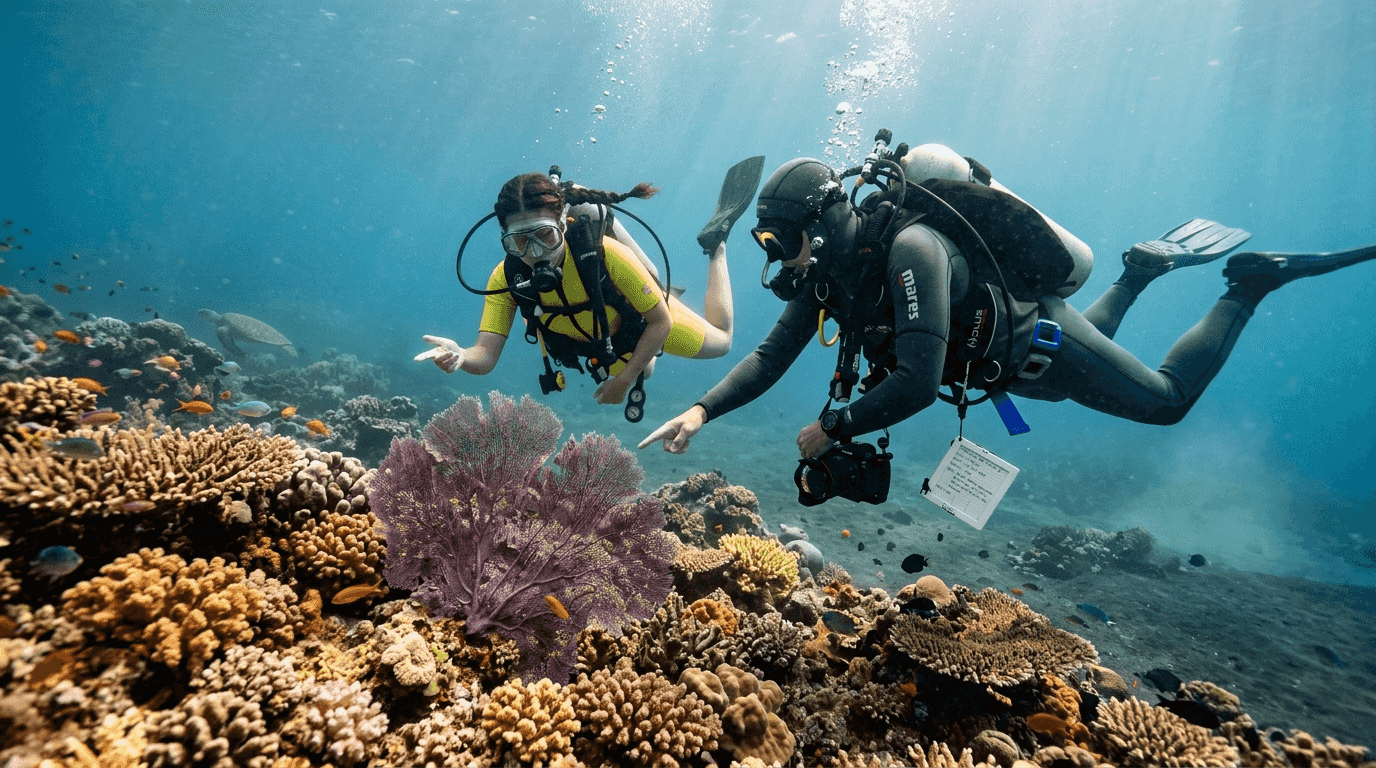
For beginners, Jemeluk Bay provides one of the most accessible introductions to diving in Amed. This sheltered bay features a gentle sandy slope descending from 3 to 12 metres, with coral gardens and steady conditions. Entry is straightforward from the beach, and currents are typically minimal. Lipah Beach offers similar conditions, with slightly deeper sections reaching around 15 metres, making it a natural next step for divers building confidence.
Intermediate divers often explore sites that introduce more structure and variation while still remaining accessible. The Japanese Shipwreck (Amed) itself is shallow, sitting between around 3 and 12 metres, making it suitable even for Open Water divers. However, the surrounding reef drops deeper and can experience stronger currents, which adds an extra layer of awareness when navigating the site.
As conditions become more dynamic, sites like Bunutan and Deep Blue introduce drift-style diving. These dives require stronger buoyancy control and awareness, as navigation shifts from fixed landmarks to moving with the current while maintaining position with your guide.
For more experienced divers, wall dives such as Amed Wall and Lean Wall provide steeper drop-offs and increased exposure. These sites can involve stronger currents and deeper profiles, requiring careful depth control and a more advanced approach to dive planning.
Amed dive site comparison:
| Site name | Depth range | Difficulty | Best for | Key highlights |
|---|---|---|---|---|
| Jemeluk Bay | 3–12 metres | Beginner | Training, first dives | Calm reef, easy entry |
| Lipah Beach | 5–15 metres | Beginner | Relaxed exploration | Turtles, gentle reef |
| Japanese Shipwreck (Amed) | 2–12 metres (wreck), deeper reef nearby | Beginner to intermediate | Wreck + reef navigation | Shallow wreck, variable conditions |
| Amed Pyramids | 8–25 metres | Intermediate | Artificial reef | Moray eels, reef life |
| Bunutan | 10–30+ metres | Certified | Drift diving | Current, larger reef areas |
| Amed Wall | 10–30+ metres | Intermediate to advanced | Wall diving | Drop-offs, coral formations |
| Lean Wall | 15–40+ metres | Advanced | Advanced wall diving | Steep walls, deeper profiles |
| Deep Blue | 20–40+ metres | Advanced | Deep reef and wall diving | Deep sloping reef, strong drift |
| Gili Selang | 5–40+ metres | Advanced ++ | Strong current diving | Sharks, drift conditions |
Sites along this coastline vary in entry type, depth range and current exposure, even when they are only a few minutes apart.
Some areas offer calm, shallow reefs that are ideal for beginners, while others introduce stronger currents or steeper drop-offs that suit more experienced divers. Knowing what to expect at each site allows you to plan dives that match your skill level and make the most of your time in the water.
Pro Tip: You should always dive with a guide if unfamiliar with underwater topography, especially on first visits to new sites, as local knowledge prevents wasted bottom time searching for features and ensures you see the best marine life.
Executing your dives in Amed: step-by-step instructions and best practices
Once you’ve selected your site and completed preparation, executing the actual dive requires following established procedures that keep you safe whilst maximising enjoyment. Following established dive protocols ensures safety, especially in varying conditions found in Amed’s waters. Whether diving from shore or boat, these steps create a framework for confident underwater exploration.

Complete dive execution sequence in Amed
Buddy check
Conduct a thorough buddy check before entering the water. Confirm BCD inflation, weights, releases, air supply, and that both divers are ready.
Review dive plan
Confirm maximum depth, bottom time, route, and turn pressure with your guide or buddy. In Amed, dive plans often follow the natural reef or current rather than fixed routes.
Enter the water
Entry depends on the dive type.
For shore dives, enter slowly and carefully over rocks or sand, watching footing and timing with waves.
For boat dives on local jukungs, you will typically enter seated and put your equipment on in the water before starting the dive.
Perform surface check
Once in the water, take a moment to confirm everyone is comfortable, regulators are working, and the group is ready to descend.
Descend slowly
In Amed, descents are usually done directly with your guide or along the reef slope rather than using descent lines. Equalise early and often, and stay close to your buddy.
Navigate and monitor
Follow your guide along the reef, wall, or current depending on the site. Continuously monitor your depth, time, and air while staying aware of your position within the group.
Maintain neutral buoyancy
Good buoyancy control is key across Amed dive sites, especially on coral reefs and walls. Stay off the reef and adjust regularly as depth changes.
Begin ascent
Start your ascent with a safe air reserve, typically around 50 bar. Ascend slowly with your buddy or guide.
Complete safety stop
Pause at 5 metres for 3 to 5 minutes. In Amed, this is often done along the reef, so you may naturally complete your safety stop while still following the dive without even realising it.
Surface slowly
Surface in a controlled manner and establish positive buoyancy.
For boat dives, stay together and signal the jukung with an SMB for pickup.
For shore dives, plan your exit and remove fins carefully before walking over rocks.
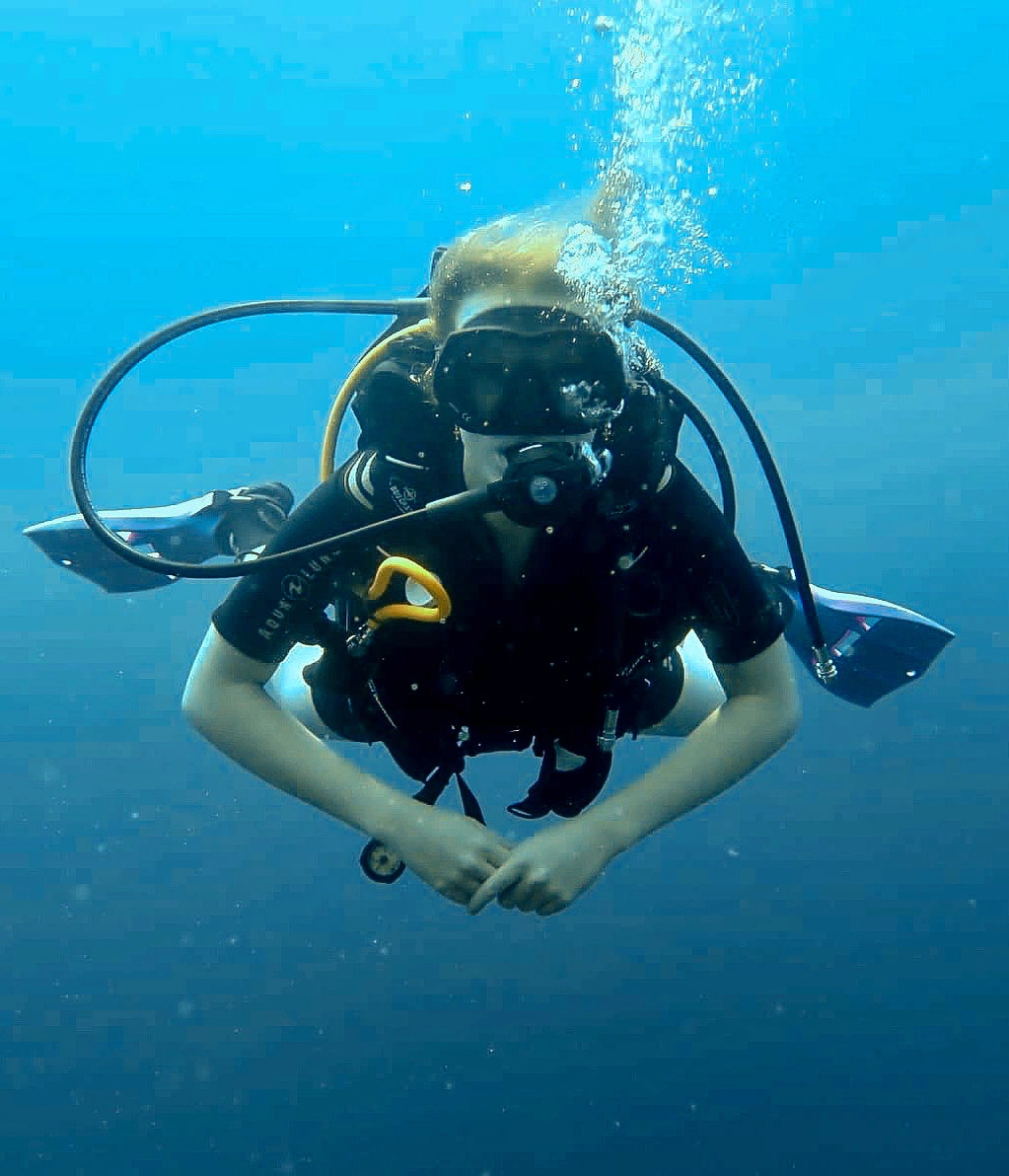
Once you are underwater, diving becomes about awareness, control, and communication. These are the key things to stay on top of throughout every dive:
Underwater communication
Divers rely on standard hand signals to communicate clearly underwater. The essentials include OK, problem, low on air, direction, ascend, descend and stop. Always make eye contact before signalling so your buddy acknowledges the message. In low visibility, torch signals or light contact can help maintain communication.
Situational awareness and safety
Stay aware of your buddy’s position, your depth, and your air at all times. It is easy to drift deeper than planned when focusing on marine life, so check your computer regularly. Monitor your no-decompression limits and plan to finish the dive with a safe air reserve. Never hold your breath during ascent.
Equipment management
Keep hoses and gauges secured to avoid snagging on reef or wreck structures. Make small, regular adjustments to your BCD to stay neutrally buoyant as depth changes. If your mask floods, clear it calmly and continue the dive. Good fin control also helps avoid stirring up sand, which can reduce visibility for everyone.
Ascent and exit
Ascend slowly and complete a safety stop at 5 metres for 3 to 5 minutes. Once on the surface, inflate your BCD to establish positive buoyancy. For boat dives, wait together for pickup. For shore dives, time your exit carefully and remove fins before walking over rocks or uneven ground.
Planning your Amed dive itinerary
Amed’s dive sites are spread along a stretch of coastline, but conditions can vary between locations even on the same day. Planning your dives in the right order helps you build confidence and get the most out of each site.
Most trips naturally start with calmer, more accessible sites. For many divers, the first day will include Jemeluk Bay and Amed Pyramids. These sites offer easy entries, good visibility, and a mix of reef and structure, making them ideal for getting comfortable in the water.
If you are staying within Amed, the following days can build from there. For Advanced Open Water divers, sites like Amed Wall and Bunutan introduce more depth, wall diving, and the possibility of current. These dives require more awareness but offer a noticeable step up in experience.
Other sites such as the Japanese Shipwreck and Lipah Beach are often included to balance the itinerary. The wreck adds structure and variety, while Lipah provides a more relaxed dive with consistent marine life sightings.
Many dive operators in Amed also organise trips to nearby Tulamben, which is only a short drive away. This allows you to incorporate sites like Lean Wall or the USAT Liberty wreck into your itinerary, adding deeper profiles and different underwater landscapes without needing to change accommodation.
Understanding how to navigate Amed dive sites also means knowing how to sequence them. Starting with easier conditions and gradually progressing to more dynamic sites leads to a safer, more enjoyable overall diving experience.
Enhance your Amed diving adventure with Bali Dive Cove
Navigating Amed’s diverse dive sites becomes significantly easier when you have experienced local guides and comprehensive support. Bali Dive Cove offers everything from introductory experiences to professional-level training, ensuring divers at every stage find exactly what they need. Our instructors bring over 16 years of diving experience and intimate knowledge of Amed’s reefs, wrecks and seasonal conditions.
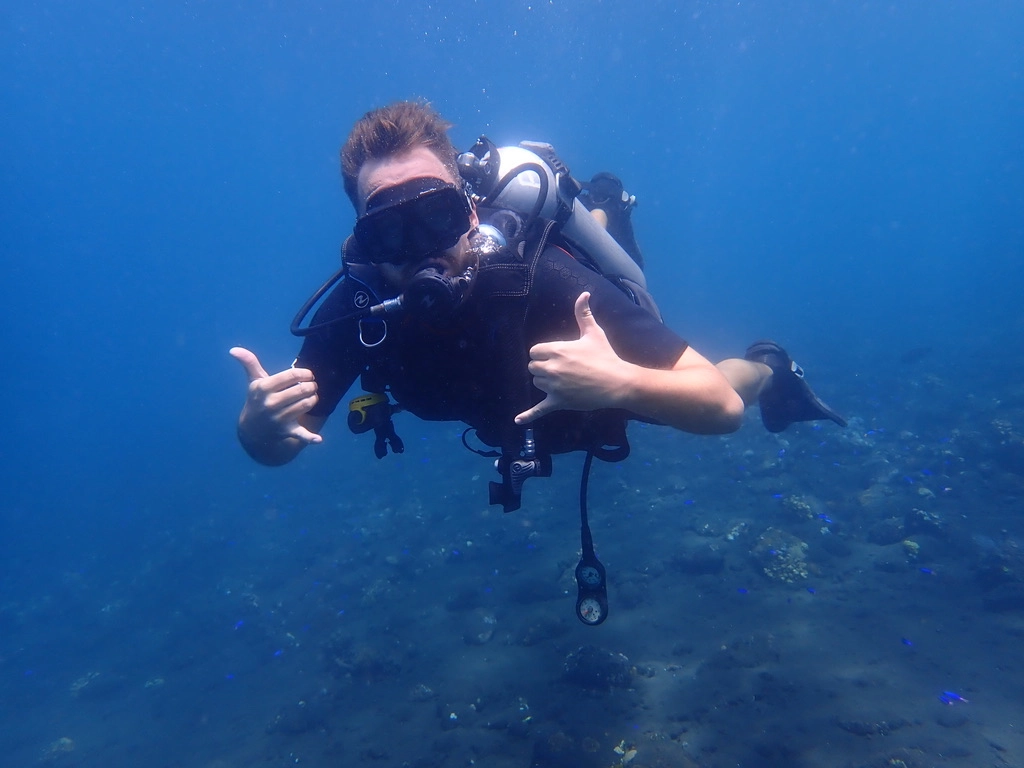
Whether you’re taking your first breaths underwater or working towards Divemaster certification, our small group approach ensures personal attention throughout your journey. We provide comprehensive dive courses from PADI Open Water through advanced specialities, each designed to build confidence and competence progressively. Our equipment is meticulously maintained and our dive sites are chosen daily based on current conditions to give you the best possible experience. Booking is straightforward through our website, and our team handles all logistics so you can focus entirely on enjoying Amed’s spectacular underwater world. Explore our dive sites to start planning your next Amed adventure with guides who treat every diver like family.
Frequently asked questions
What is the best time of year to dive in Amed?
Diving in Amed is possible year-round, but conditions vary slightly throughout the year. The dry season from April to October typically brings calmer seas and more consistent visibility, often ranging between 15 to 30 metres. This makes it ideal for beginners and those looking for easier conditions.
The wet season from November to March can still offer excellent diving, but visibility may drop after heavy rain and some sites can experience stronger currents. On the plus side, there are fewer divers and marine life activity can still be very good.
Do I need a scuba certification to dive in Amed?
You need a certification to dive independently, but beginners can still experience Amed’s reefs. Discover Scuba Diving allows you to dive shallow sites like Jemeluk Bay or Lipah Beach under direct instructor supervision.
If you plan to dive multiple sites or explore deeper areas, completing an Open Water course is the best option. It allows you to dive to 18 metres and access a much wider range of Amed dive sites.
Which Amed dive sites are best for beginners?
Jemeluk Bay and Lipah Beach are the most beginner-friendly sites in Amed. Both offer easy shore entries, gentle conditions, and shallow reef slopes that make them ideal for first dives or skill building.
Sites like the Japanese Shipwreck can also be suitable for beginners due to its shallow depth, although the surrounding reef may introduce slightly more variation.
Are there dive sites in Amed with strong currents?
Yes, some Amed dive sites such as Bunutan can experience stronger currents and are often dived as drift dives. Conditions can also change depending on the day, even between nearby sites.
This is why site selection in Amed is usually based on current conditions rather than a fixed plan, and why diving with a local guide is recommended.
Can I dive Tulamben while staying in Amed?
Yes, Tulamben is only around 20 to 30 minutes from Amed, and most dive operators organise trips there regularly. This makes it easy to include sites like the USAT Liberty wreck or Lean Wall as part of your trip.
Many divers combine Amed and Tulamben to experience a mix of reefs, walls, and wreck diving without needing to change accommodation.
How do I choose the right Amed dive sites for my level?
The best approach is to start with calmer sites and progress based on your comfort and conditions. Jemeluk Bay and Amed Pyramids are often used as starting points, with sites like Amed Wall, Bunutan, or deeper areas added later in the trip.
Understanding how to navigate Amed dive sites means choosing based on current, depth, and experience level rather than simply picking the most popular locations.
Do I need to book dive sites in advance?
Most dive plans in Amed are flexible and adjusted daily based on conditions. While you can plan a general itinerary, exact site selection is usually confirmed on the day to ensure the best experience.
