

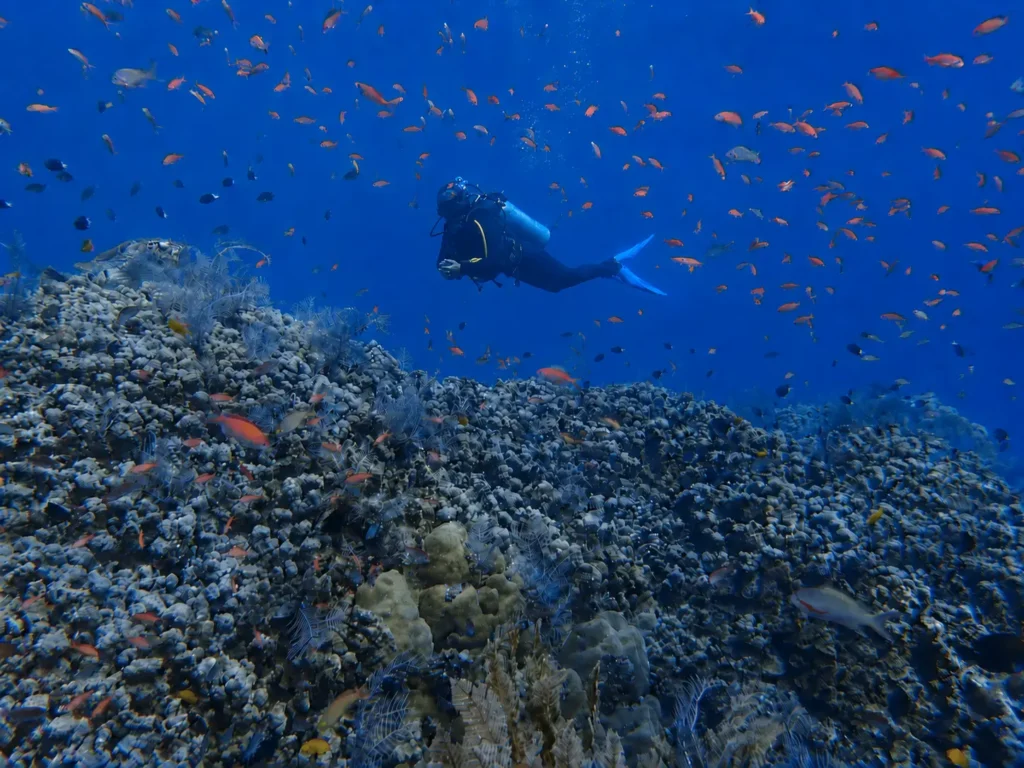
Spend enough time underwater, and it becomes difficult not to care about what happens there. Divers and snorkellers see coral reefs as living places rather than scenery. We notice the small details, from a nudibranch crossing a rock to a turtle resting near the reef, and we also see how easily these habitats can be disturbed.
Marine conservation is the protection and responsible management of ocean habitats, wildlife and natural resources. It includes marine protected areas, sustainable fishing, pollution reduction, habitat restoration, scientific monitoring and community-led management. For divers, it also means reducing our impact each time we enter the water.
Around Amed and other parts of East Bali, responsible diving begins with simple decisions: choosing a suitable site, listening to the briefing, maintaining good buoyancy and giving marine life space. These actions are only one part of conservation, but they help visitors enjoy the ocean without adding avoidable pressure.
What is marine conservation?
Marine conservation covers the work done to protect ocean species, habitats and the natural processes that keep marine ecosystems functioning. It is not one single activity or organisation. It can involve governments, scientists, fishing communities, conservation groups, tourism businesses and individuals, often working at different scales.
Common approaches include:
- protecting and managing important marine and coastal areas
- setting fishing rules that allow populations to remain healthy
- reducing sewage, sediment, nutrients, plastics and other pollution entering the sea
- restoring damaged coral, mangrove or seagrass habitats where appropriate
- monitoring habitats and species through surveys, photography, species records and tools such as environmental DNA
- supporting local communities to participate in decisions about the waters they use and depend on
Marine conservation and ocean conservation are generally used to describe the same broad goal. Neither term is limited to untouched areas or a complete ban on human use. For example, marine protected areas can range from strict no-take zones to multi-use areas where particular activities are allowed under specific rules. The location, level of protection, management and enforcement all affect how useful that protection is.
Why is marine conservation important?
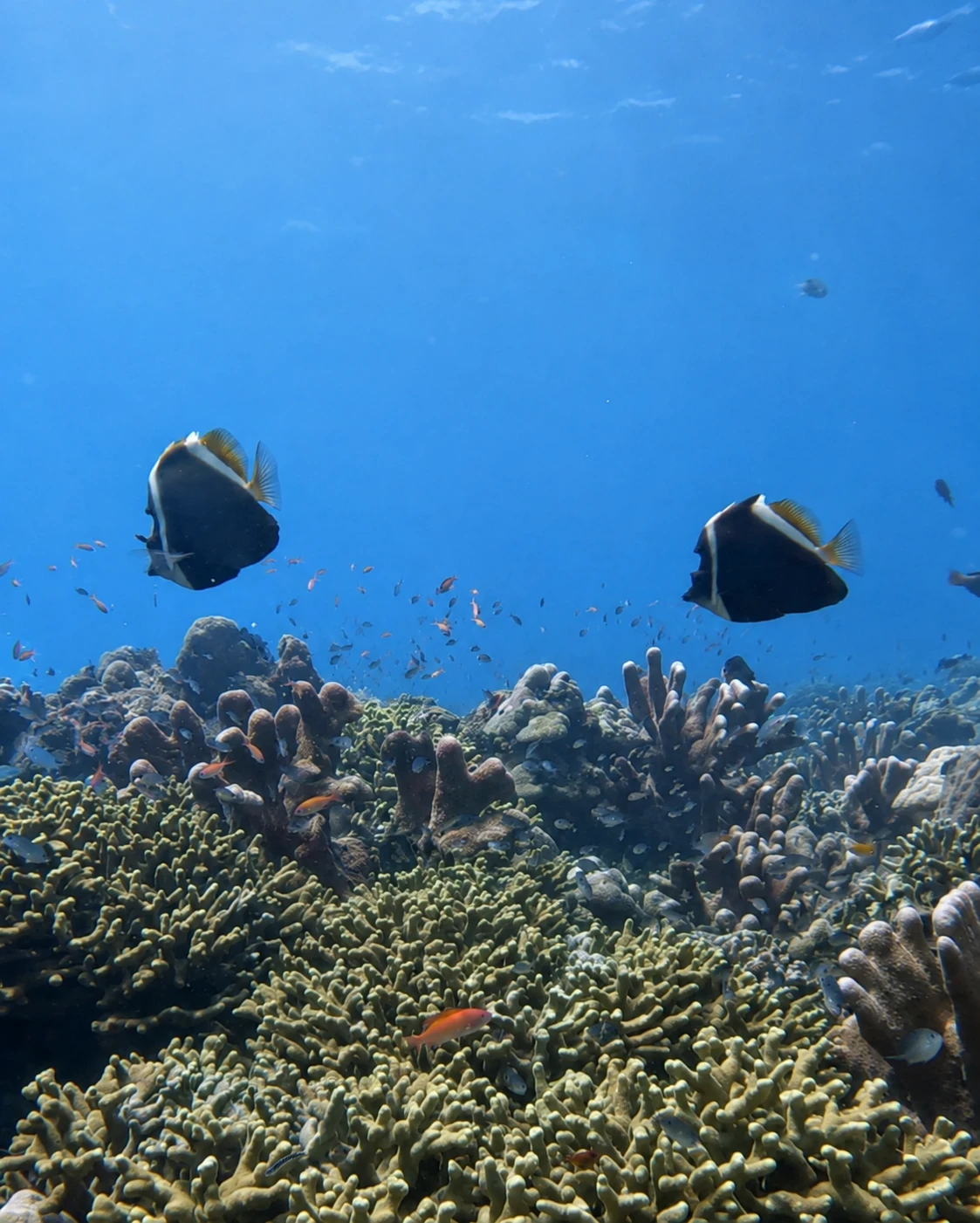
Healthy coral reefs provide food, shelter and breeding areas for a wide range of marine life.
Healthy marine habitats support wildlife and people. Although coral reefs cover less than 1 per cent of the seafloor, they support at least 25 per cent of marine species, according to the United Nations Environment Programme. Reefs provide shelter, feeding areas and nursery habitat for many species, while mangroves and seagrass beds also support young marine life and help connect coastal ecosystems.
These habitats matter beyond their biodiversity. Coastal communities depend on healthy seas for food, livelihoods, culture and tourism. Coral reefs, mangroves and seagrass can also help reduce the effects of waves and storms on shorelines. When a habitat is damaged, the consequences can extend far beyond the species living directly within it.
This is why global targets focus on more than drawing boundaries on a map. Under Target 3 of the Kunming-Montreal Global Biodiversity Framework, countries agreed to ensure that at least 30 per cent of marine and coastal areas are effectively conserved and managed by 2030. The target also calls for ecologically representative, connected and equitably governed systems that respect the rights of Indigenous peoples and local communities. Area coverage alone is not enough.
What pressures are marine ecosystems facing?
Marine ecosystems are affected by pressures that operate globally and locally, and several can occur at the same time.
Warming water and changing ocean conditions
High water temperatures and marine heatwaves can stress coral and cause bleaching. Bleached coral is not automatically dead, but it becomes more vulnerable and may die if stressful conditions continue. Increased carbon dioxide also changes ocean chemistry. NOAA explains that ocean acidification can reduce coral growth and weaken reef structure.
Pollution and sediment
Wastewater, fertiliser, sediment and rubbish can travel from land into coastal water. They may reduce water quality, block light, encourage excess algal growth or physically damage marine animals and habitats. This is why marine conservation cannot be separated from waste management and decisions made on land.
Unsustainable fishing and physical damage
Removing too many fish, using damaging fishing methods or losing important species can alter the balance of an ecosystem. Direct contact also causes local damage. Anchors, fins, dangling gauges and careless hands can break or scrape coral that may have taken years to grow.
Divers are not the main cause of global reef decline. Climate change and other large-scale pressures cannot be solved through buoyancy control. However, avoidable contact adds local stress to reefs already facing wider changes, so responsible behaviour still matters.
What does marine conservation look like in practice?
Effective marine conservation usually combines several approaches rather than relying on a single solution.
Protected and conserved areas need clear objectives, suitable boundaries, practical rules, monitoring and enforcement. Local residents and resource users should have a meaningful role in governance because conservation decisions affect livelihoods, access and culture. Sustainable fisheries management can include catch limits, seasonal closures, gear restrictions and protection for breeding or nursery areas.
Restoration can also help in suitable locations. Coral nurseries, reef rehabilitation, mangrove planting and seagrass restoration may support recovery when they are carefully planned. However, restoration does not replace the need to reduce the cause of the damage. Replanting or rebuilding habitat will have limited value if pollution, destructive activity or heat stress continues unchecked.
Monitoring helps managers understand whether conditions are changing and whether an intervention is working. Depending on the project, this might include underwater surveys, fixed photographs, water-quality measurements, species records or environmental DNA collected from water samples. The method should suit the question rather than being used simply because it is new.
How can divers and snorkellers reduce their impact?
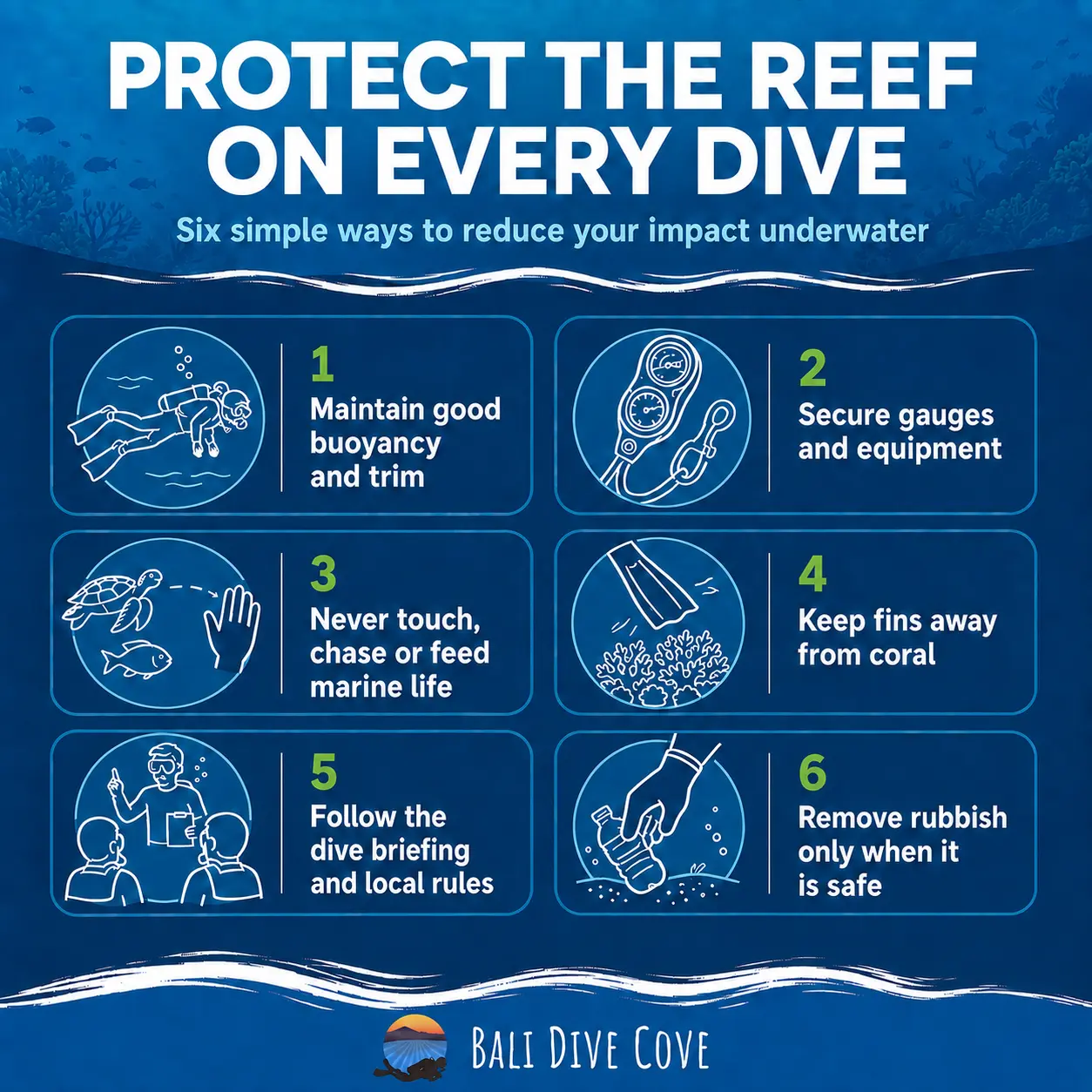
Protect the reef on every dive with six simple responsible diving practices.
Good underwater habits allow people to observe marine life while reducing unnecessary contact and disturbance.
- Develop reliable buoyancy and trim. Practise before moving close to coral. If you are returning after a long break, consider a refresher or stay over sand while rebuilding control.
- Secure your equipment. Keep gauges, alternate air sources and camera accessories from dragging across coral or the seabed.
- Leave marine life where it is. Do not touch, hold, chase, feed or reposition an animal for a photograph. Avoid blocking a turtle or other animal’s direction of travel.
- Follow the briefing and local rules. Entry and exit points, currents, no-take restrictions and permitted activities differ between sites. Your guide’s instructions should reflect the conditions that day.
- Take only what belongs out of the water. Rubbish can be removed when it is safe to do so, but shells, coral fragments and living material should be left in place.
- Choose a thoughtful dive operator. Look for sensible group sizes, clear briefings and a willingness to change the site or route when conditions or diver ability require it.
At Bali Dive Cove, small groups and unhurried dives make it easier for our instructors to watch buoyancy, offer help when needed and avoid crowding marine life. We explain the same principles in our guide to why divers should respect marine life. The aim is not to make guests nervous about moving underwater. It is to give them the control and awareness to enjoy the reef comfortably.
Marine conservation in Amed
Amed gives divers access to varied underwater environments, including coral slopes, walls, sandy areas and artificial structures. Our overview of how Amed’s reefs function explains how the reef, open water, sand and shoreline influence what divers see at different sites.
That variety also means one description does not fit the whole coastline. Conditions, use and local pressures can differ between nearby locations and from one day to the next. A calm, shallow site may suit a newer diver working on buoyancy, while another site may require more experience because of depth or current.
At the Amed Pyramids dive site, divers move between natural reef areas, sandy seabed and concrete pyramid structures that now form part of the site’s habitat. Other local dives may follow a wall or focus on small marine life living around sand and rock. Understanding the terrain helps a guide choose a route that suits both the conditions and the group.
Visitors should not assume that a popular reef is automatically protected, or that a conservation label guarantees effective management. It is better to follow the rules that apply at the site, listen to people with local knowledge and avoid making claims about an area’s formal status unless the designation and management arrangements have been confirmed.
Responsible diving starts with awareness
Marine conservation depends on decisions made by governments, scientists, communities, fishing and tourism industries, and the people who visit the ocean. Individual choices cannot solve climate change or replace effective management, but they can prevent avoidable damage and support better behaviour at busy dive sites.
For divers, awareness is practical. Know where your fins are, keep equipment close, give animals a clear route and be prepared to move away if your position is affecting the reef or another diver. A well-planned dive should leave you with good memories and the site with as little sign of your visit as possible.
Planning to dive in Amed? Explore our two guided dives in Amed or view our East Bali dive packages to find an option suited to your experience.
Frequently asked questions
What is marine conservation in simple terms?
Marine conservation means protecting ocean habitats and wildlife while managing human activities responsibly. It can include protected areas, fishing rules, pollution reduction, habitat restoration, scientific monitoring and community management. For visitors, it also includes behaving in ways that avoid damaging reefs or disturbing animals.
What is the difference between marine conservation and ocean conservation?
The terms are often used interchangeably. Both refer to protecting the ocean, its habitats, species and natural processes. Some people use ocean conservation as the broader phrase and marine conservation for living species and habitats, but there is no firm distinction that changes the practical goal.
What are marine protected areas?
Marine protected areas are defined places where activities are managed to achieve conservation goals. Protection levels vary. Some areas prohibit fishing or anchoring, while others allow certain uses under rules. Effective management, enforcement, ecological design and fair governance are as important as the protected-area label.
Why should divers avoid touching coral?
Coral is made up of living animals and can be damaged by contact, kicks or equipment dragging over it. Touching may remove protective tissue, break fragile structures or spread stress between areas. Good buoyancy and trim help divers stay close enough to observe without making contact.
How can I choose a responsible dive operator?
Ask about group size, pre-dive briefings and how sites are selected. A responsible operator should match dives to experience and current conditions, explain local rules, encourage good buoyancy and respectful wildlife encounters, and be willing to adjust a plan when safety or site conditions require it.
