

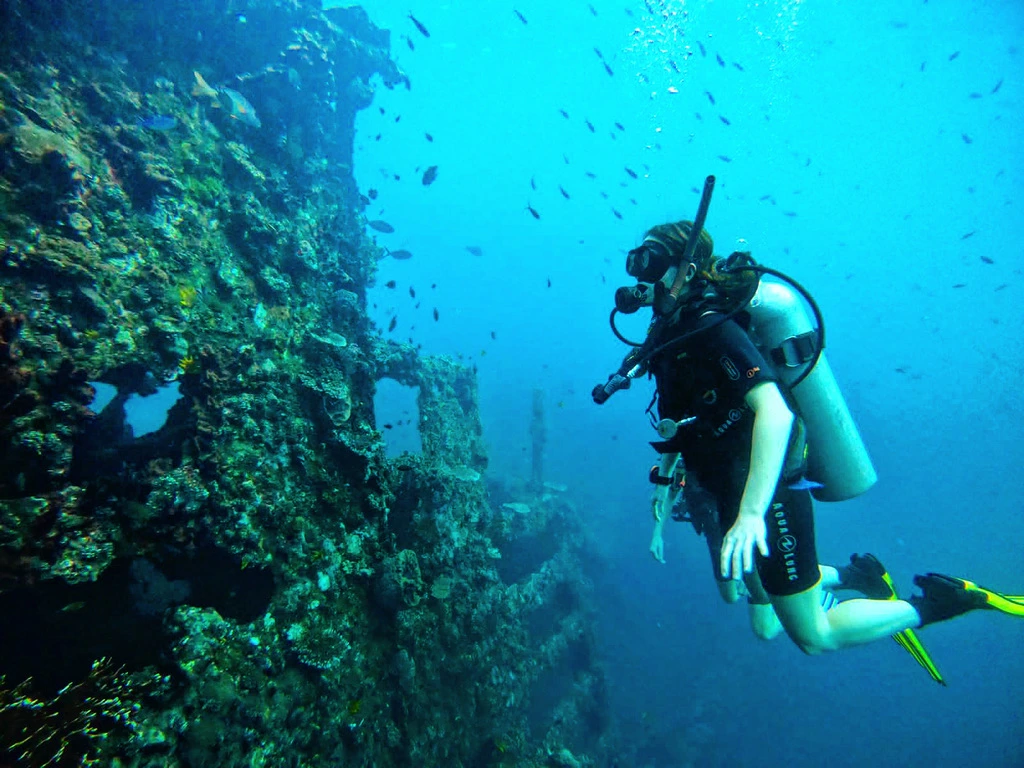
What is wreck diving? It refers to exploring sunken man-made structures such as ships, planes, or vehicles. Depending on training and experience, divers may stay on the outside of a wreck or explore open swim-throughs and selected interior sections.
For many divers, wreck diving combines history, marine life, and a sense of exploration that feels very different from a standard reef dive.
In Bali, wreck diving is one of the biggest drawcards for visiting divers. Many of the island’s wrecks are accessible to a wide range of experience levels, from beginner-friendly external exploration to more advanced swim-throughs and penetration dives. Over time, these structures have developed into thriving artificial reefs, attracting a diverse range of marine life.
Whether you are planning your first wreck dive or considering a wreck speciality course, understanding the basics will help you choose the right experience for your skill level and get more out of each dive.
Key takeaways
| Point | Details |
|---|---|
| Wreck diving explores submerged structures | Divers visit sunken ships, planes, and vehicles, blending historical discovery with marine life observation. |
| Safety limits ensure recreational enjoyment | Maximum depth 30 metres, clear visibility, and defined exit routes protect divers during wreck exploration. |
| Certification courses build essential skills | PADI Wreck Diver teaches external wreck navigation; advanced courses cover safe interior penetration techniques. |
| Specialised equipment enhances safety | Cutting tools, dive lights, and streamlined gear prevent entanglement and illuminate dark wreck interiors. |
| Responsible practices protect sites | Minimising physical contact preserves historical artefacts and fragile marine ecosystems thriving on wrecks. |
Understanding wreck diving: the adventure beneath the surface
Wreck diving explores submerged man-made structures, offering unique experiences blending historical significance with vibrant marine life. Unlike reef diving, wreck diving focuses specifically on investigating sunken ships, planes, and vehicles resting on the ocean floor. These sites transform into artificial reefs over time, attracting diverse marine species and creating ecosystems teeming with colourful corals, fish schools, and macro life.
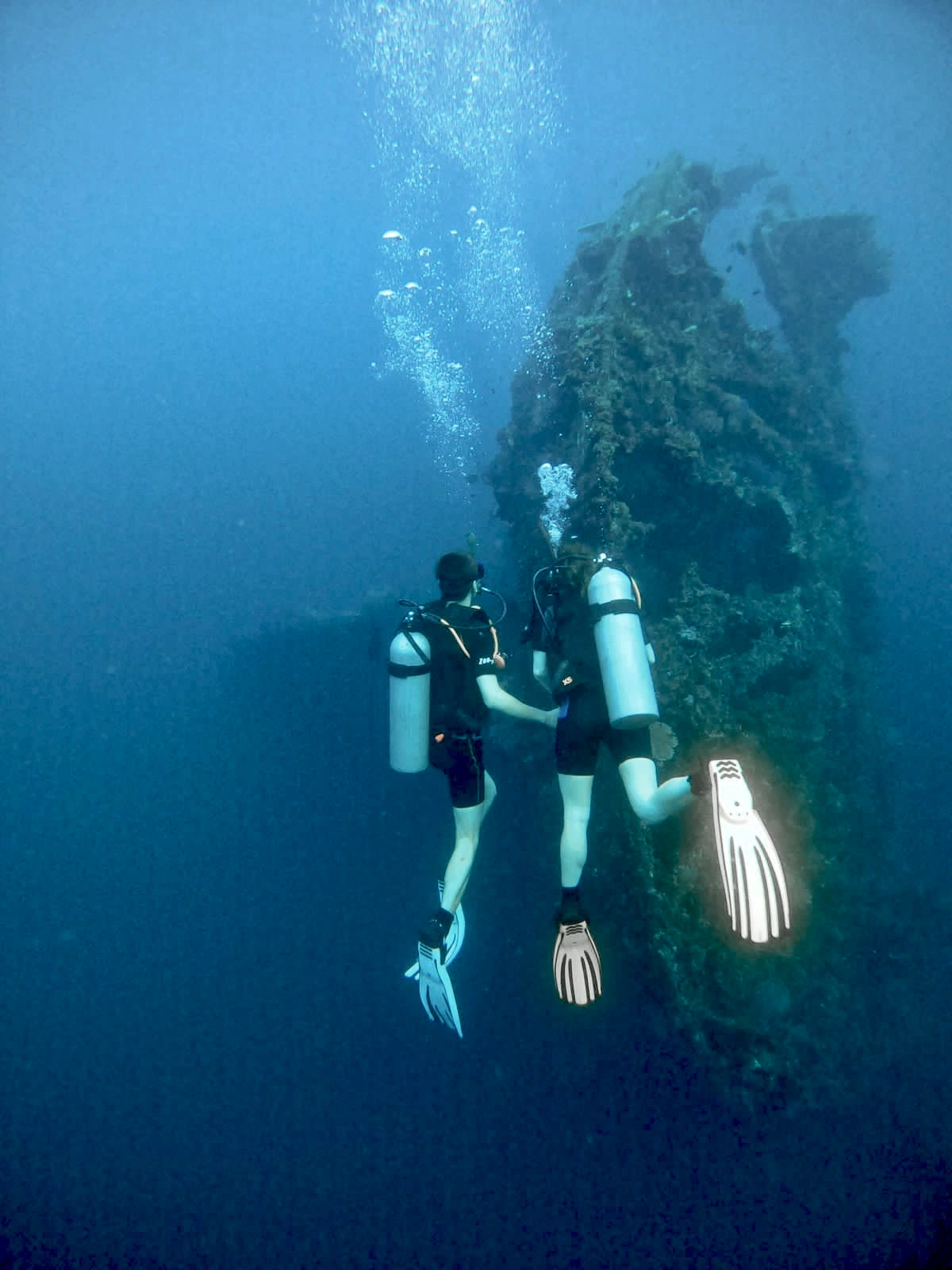
Wreck diving splits into two primary categories. Non-penetration wreck diving involves exploring the exterior structures, swimming around hulls, decks, and superstructures whilst maintaining clear access to open water. Penetration wreck diving takes divers inside wreck interiors, navigating corridors, engine rooms, and cargo holds under overhead environments. Depending on the wreck, this sometimes requires advanced training and equipment.
The appeal lies in combining mystery, adventure, and discovery. Each wreck tells a story, whether a wartime vessel, cargo ship, or deliberately sunk attraction. Photographers find endless opportunities capturing light beams piercing through portholes, schools of fish swirling around masts, and the haunting beauty of rusted machinery reclaimed by nature. Bali’s dive sites showcase this perfectly, offering wreck experiences ranging from shallow entry-level wrecks to deeper historical vessels.
Key attractions for wreck divers include:
- Historical significance: Exploring vessels with wartime or cultural heritage
- Marine biodiversity: Observing ecosystems thriving on artificial reef structures
- Photography opportunities: Capturing dramatic compositions with natural lighting and marine subjects
- Adventure element: Experiencing the thrill of discovery in underwater environments
- Skill development: Advancing diving capabilities through specialised training
Bali’s wreck diving locations provide varying depths, visibility conditions, and accessibility levels suitable for divers progressing from basic certification through advanced penetration skills. Understanding these foundational concepts helps you select appropriate wreck diving experiences matching your training, comfort level, and adventure goals.
Safety and training essentials for wreck diving
Safe wreck diving demands strict adherence to recreational limits and proper certification. Recreational wreck diving maintains maximum depths of 30 metres, avoids decompression obligations, requires good visibility, and ensures clear, unobstructed exit paths to open water. These parameters protect divers from overhead environment hazards whilst allowing enjoyable wreck exploration.
Recreational non-penetration wreck diving differs fundamentally from advanced penetration diving. Non-penetration keeps divers outside wreck structures, always maintaining direct vertical access to the surface. Advanced wreck diving focuses on penetration, providing skills and protocols to mitigate risks in overhead environments where immediate surface access is blocked.
Proper training and certification are important for wreck diving, with the Advanced Open Water course introducing wreck diving techniques and the PADI Wreck Diver speciality expanding on those skills.
The Advanced Open Water course gives divers a controlled introduction to navigating around wrecks, building confidence in buoyancy, awareness, and dive planning.
The PADI Wreck Diver course then develops these skills further, covering wreck navigation techniques, improved gas management, buoyancy control around structures, and emergency procedures specific to wreck environments.
Before attempting any penetration dives, divers must master critical skills:
- Advanced navigation: Using guidelines, reels, and natural navigation references
- Gas management: Calculating air consumption with safety reserves for longer swim distances
- Buoyancy precision: Maintaining neutral buoyancy to avoid stirring sediment or damaging structures
- Emergency protocols: Handling entanglement, lost visibility, and equipment failures
- Team communication: Coordinating with dive buddies using hand signals and touch contact

Equipment essentials and responsible wreck diving practices
Essential equipment for wreck diving includes cutting tools, dive lights, appropriate exposure suits, reliable breathing apparatus, and buoyancy control devices. Cutting tools address entanglement emergencies, allowing divers to free themselves from fishing lines, cables, or nets commonly found on wreck sites. Dive lights illuminate dark interior spaces, reveal true colours obscured by depth, and serve as communication devices.
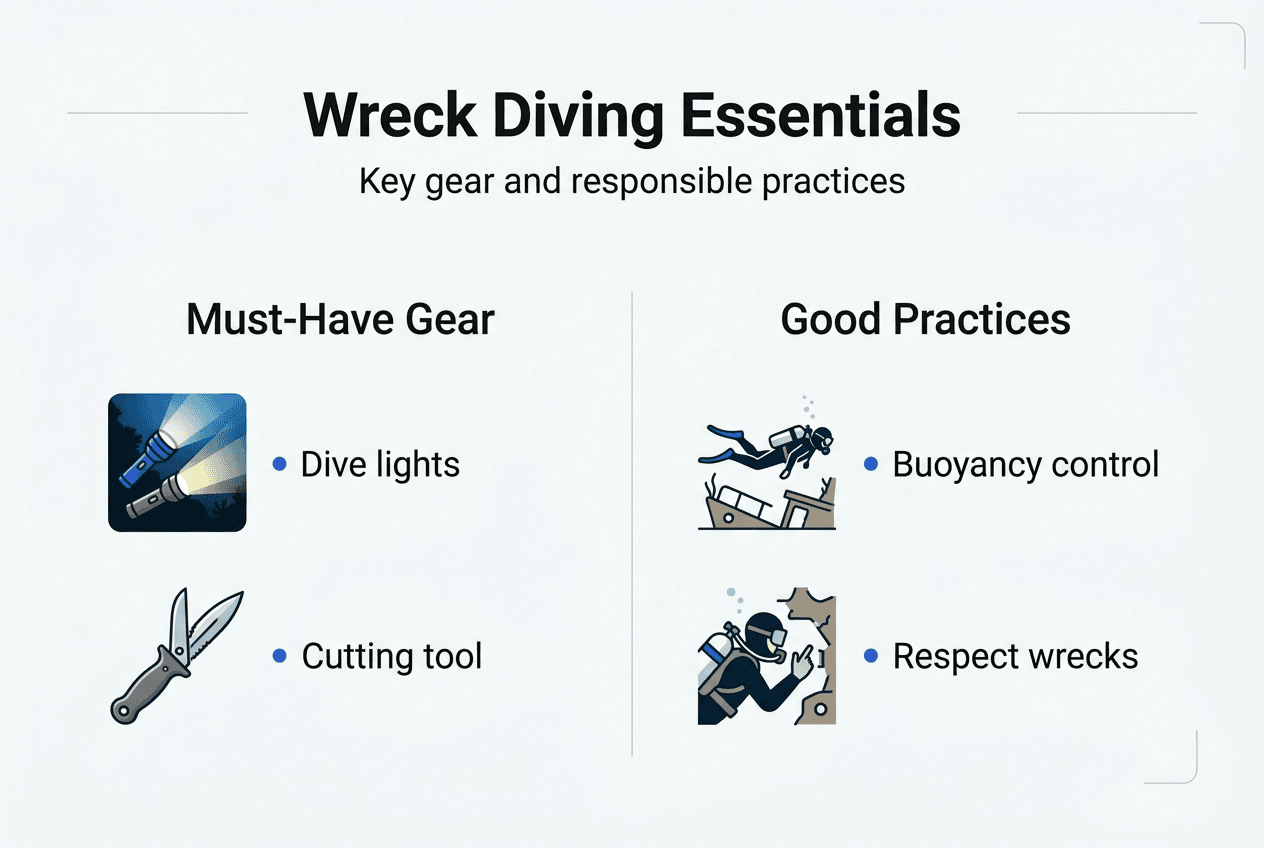
Exposure suits must match Bali’s tropical conditions whilst providing adequate protection from sharp metal edges, marine life, and cooler temperatures at depth. Reliable regulators with alternate air sources ensure breathing gas availability throughout the dive. Buoyancy control devices allow precise depth control, preventing accidental contact with fragile structures or stirring bottom sediment.
Penetration diving requires additional specialised gear:
- Primary and backup dive lights with sufficient burn time
- Guideline reels for navigation in zero visibility conditions
- Redundant breathing gas systems or stage cylinders
- Streamlined equipment configuration reducing snag points
- Cutting tools positioned for easy access
Responsible wreck diving involves minimising environmental impact and respecting historic significance. Divers should avoid touching wreck structures, as physical contact damages fragile corals, disturbs marine habitats, and accelerates deterioration of historical artefacts. Many wrecks serve as war graves or cultural heritage sites deserving reverence and protection.
Careful planning and site selection reduce environmental and historical damage. Research wreck histories, understand local regulations, and follow established dive protocols. Some dive sites restrict penetration or require permits protecting sensitive areas. Photographers should use natural light when possible, minimising flash disturbance to marine life.
Pro Tip: Streamlining your gear configuration reduces snag risk on protruding wreck features and conserves energy underwater, enabling longer, safer dives with improved manoeuvrability in confined spaces.
Buoyancy control becomes particularly critical around wrecks. Uncontrolled descents risk collision with structures, whilst poor buoyancy stirs sediment clouds eliminating visibility for your dive team and subsequent divers. Practise hovering motionless before attempting wreck approaches. Refer to the scuba diving preparation workflow for comprehensive pre-dive equipment and skill checks ensuring readiness for wreck exploration.
Wreck diving experiences and guided tours in Bali
Wreck diving in Bali is generally introduced progressively, but it is important to understand that not all wrecks are the same. In Amed and Tulamben, each site offers different levels of access and complexity.
At the USAT Liberty Wreck in Tulamben, divers can enjoy a mix of experiences. There are very easy swim-throughs that many beginner divers can comfortably explore, along with more advanced areas for those with greater experience. This makes it one of the most versatile wreck sites in Bali.
The Kubu Wreck was specifically designed for divers, with wide, open swim-throughs and cleared structures, making penetration more accessible. However, the main challenge here is depth, so it is better suited to divers with appropriate certification and experience.
At the Japanese Wreck in Amed, diving is limited to external exploration only, as the structure does not have any penetration options.
The Amed fast boat Marina wreck offers penetration opportunities, but these are tighter and more complex, with potential entanglement risks around seats, cables, and doorways. This site requires more careful navigation and awareness.
For divers who want to go further, many dive courses introduce additional skills such as line use, navigation, and awareness around overhead environments. While entering a wreck does require more training and planning, it is taught in a controlled and progressive way.
Overall, wreck diving in Bali is far more about exploration and marine life than risk. With the right guidance and a dive plan that matches your experience, it is one of the most enjoyable and rewarding types of diving available.
Preparing for a wreck dive tour in Bali involves several key steps:
- Verify your certification level meets minimum requirements for the planned wreck dive.
- Complete a skills refresher if you have not dived recently, ensuring comfort with buoyancy control and navigation.
- Communicate your experience level and comfort with overhead environments honestly to tour operators.
- Review wreck-specific hand signals and emergency procedures during the pre-dive briefing.
- Inspect all equipment thoroughly, confirming lights function properly and cutting tools are accessible.
- Plan your dive profile conservatively, maintaining safety margins for depth, time, and air consumption.
Pro Tip: Booking wreck diving tours with experienced guides enhances safety and enjoyment, especially for first-time wreck divers unfamiliar with navigation challenges and potential hazards in underwater structures.
The Japanese ship wreck represents one of Bali’s most accessible and popular wreck diving sites, offering excellent visibility and abundant marine life. This location provides ideal conditions for divers transitioning from reef diving to wreck exploration. The Bali shipwreck diving guide details additional wreck sites throughout the region, helping you select experiences matching your interests, certification, and adventure preferences.
Guided tours handle logistics including equipment transport, site selection based on current conditions, and safety supervision throughout the dive. Experienced guides share historical context about each wreck, point out marine life highlights, and ensure groups navigate safely whilst respecting site preservation guidelines. This professional support allows you to focus on enjoying the exploration rather than managing complex dive planning.
Explore wreck diving adventures and courses with Bali Dive Cove
Ready to experience the thrill of wreck diving in Bali’s stunning underwater environments? Bali Dive Cove offers tailored wreck diving experiences from beginner-friendly external exploration to advanced penetration courses.
Our PADI wreck diver course provides comprehensive training in wreck navigation, safety protocols, and specialised techniques under the guidance of experienced instructors with over 16 years of diving expertise. Explore recognised Bali dive sites including historic shipwrecks and deliberately sunk attractions teeming with marine life. Whether you are pursuing certification or joining guided wreck diving adventures, our small group approach ensures personalised attention and unhurried exploration. Discover the perfect balance of safety, education, and adventure with our complete range of diving courses in Bali designed for every experience level.
FAQ
What is the difference between recreational and advanced wreck diving?
Recreational wreck diving involves exploring wreck exteriors within safe depth limits, maintaining clear access to open water and avoiding overhead environments. Advanced wreck diving includes entering wreck interiors with specialised training, equipment, and protocols for navigating confined spaces with restricted exits. Advanced diving demands significantly more training, experience, and cautious safety procedures to manage increased risks.
Do I need special certification to go wreck diving in Bali?
Yes, wreck-specific certification like the PADI Wreck Diver course is strongly recommended and often required by reputable dive operators in Bali. These courses ensure divers possess essential skills for safe wreck navigation, emergency handling, and proper buoyancy control in overhead environments. Basic open water certification alone does not adequately prepare divers for wreck-specific challenges and hazards.
What should I expect on a guided wreck diving tour in Bali?
Tours vary by experience level. Beginners dive in pairs with dedicated PADI instructors, focusing on external wreck exploration within shallow depths. Advanced certified divers join small groups of up to four exploring deeper wreck structures and interior spaces under dive master supervision. All guided wreck dive tours include comprehensive safety briefings, equipment checks, and site-specific navigation instructions before entering the water.
How deep are wreck diving sites in Bali?
Bali’s wreck diving sites range from 5 metres for training wrecks to 30 metres and beyond for advanced sites. Most popular recreational wreck dives occur between 15 and 25 metres, providing excellent visibility and reasonable bottom times. Depth selection depends on your certification level, experience, and comfort with deeper diving conditions.
What marine life can I see on Bali wreck dives?
Wrecks function as artificial reefs attracting diverse marine ecosystems. Expect to encounter schools of barracuda, trevally, and batfish circling wreck structures. Macro enthusiasts find nudibranchs, shrimp, and crabs inhabiting crevices. Larger species including reef sharks, turtles, and occasionally mola mola visit wreck sites. Coral growth on older wrecks creates colourful habitats supporting hundreds of fish species.
